
















Mastering Materials Handling Equipment: Essential Insights for Transportation and Warehousing Industries
Release time:
2026-06-17
Summary
In the transportation and warehousing industries, materials handling equipment plays a pivotal role in streamlining operations and improving efficiency. Understanding the types of equipment available, their functionalities, and best practices for their use is essential for any professional looking to enhance their logistics operations.
Materials handling equipment encompasses a wide range of tools

In the transportation and warehousing industries, materials handling equipment plays a pivotal role in streamlining operations and improving efficiency. Understanding the types of equipment available, their functionalities, and best practices for their use is essential for any professional looking to enhance their logistics operations.
Materials handling equipment encompasses a wide range of tools and machinery used for the movement, protection, storage, and control of materials and products throughout the manufacturing, warehousing, distribution, consumption, and disposal stages. Common types include forklifts, pallet jacks, conveyor systems, and automated storage and retrieval systems (AS/RS). Each of these plays a unique role in optimizing the workflow, reducing manual labor, and ensuring safety in material transport.
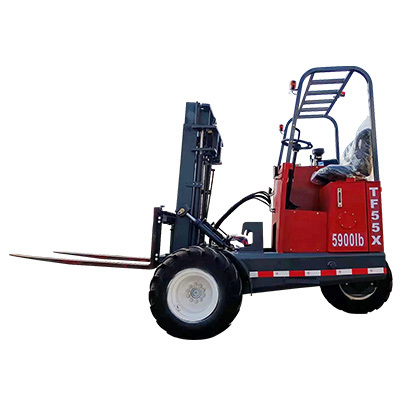
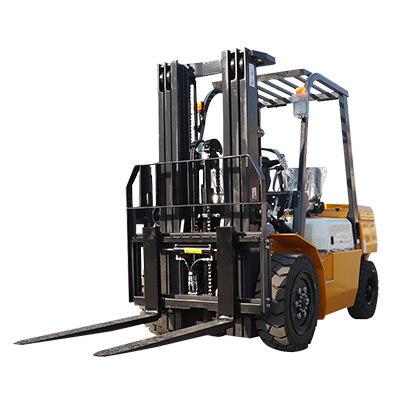
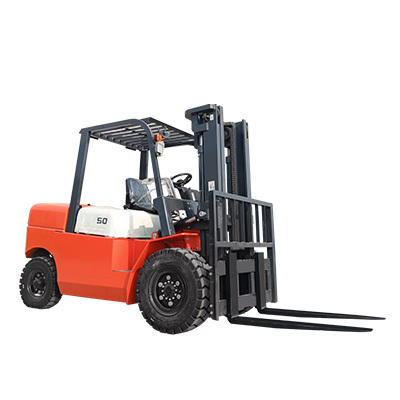
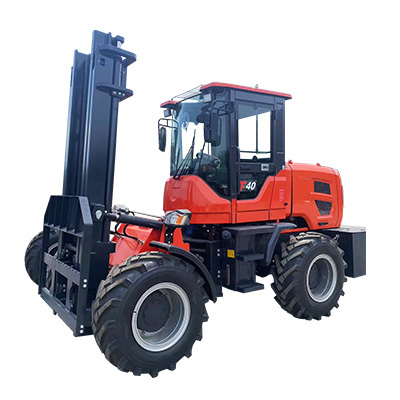
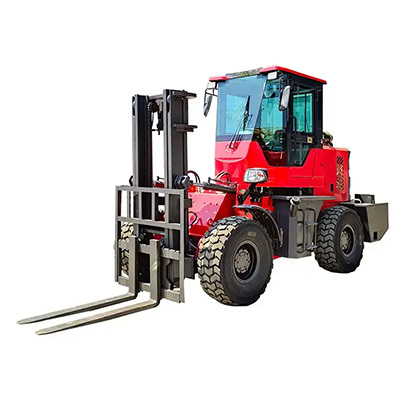
Forklifts, for instance, are integral in lifting and moving heavy loads. When selecting a forklift, consider factors such as load capacity, lift height, and fuel type (electric, propane, or diesel). It's also crucial to ensure that operators are well-trained and that the equipment adheres to safety regulations to minimize the risk of accidents.
Pallet jacks, on the other hand, are ideal for transporting goods over short distances, particularly in tight spaces. They are essential for moving pallets loaded with various products. Understanding the different types of pallet jacks—manual and electric—can help businesses choose the right equipment based on their specific needs.
Conveyor systems are another vital component of materials handling, particularly in larger warehouses. They facilitate the movement of goods across various points, reducing the time and labor required for manual transport. When implementing conveyor systems, consider the layout of your warehouse and the types of products being transported to maximize efficiency.
Automated storage and retrieval systems (AS/RS) represent the cutting edge of materials handling technology. These systems reduce the need for manual intervention and can significantly increase speed and accuracy in inventory management. While the upfront investment may be higher, the long-term benefits often justify the cost through improved efficiency and reduced labor costs.
Regular maintenance of materials handling equipment is critical to ensure longevity and optimal performance. Establishing a routine maintenance schedule can prevent costly breakdowns and ensure that your equipment operates safely. It is also essential to keep up with the latest technology and industry trends, as advancements in materials handling can provide significant competitive advantages.
In conclusion, mastering materials handling equipment is essential for professionals in the transportation and warehousing sectors. By understanding the equipment available, implementing best practices, and maintaining your tools, you can enhance operational efficiency and ensure a safer working environment. Embracing technology and continual learning in this field will position your business for success in an increasingly competitive landscape.
Back to list
Materials handling equipment encompasses a wide range of tools and machinery used for the movement, protection, storage, and control of materials and products throughout the manufacturing, warehousing, distribution, consumption, and disposal stages. Common types include forklifts, pallet jacks, conveyor systems, and automated storage and retrieval systems (AS/RS). Each of these plays a unique role in optimizing the workflow, reducing manual labor, and ensuring safety in material transport.
Forklifts, for instance, are integral in lifting and moving heavy loads. When selecting a forklift, consider factors such as load capacity, lift height, and fuel type (electric, propane, or diesel). It's also crucial to ensure that operators are well-trained and that the equipment adheres to safety regulations to minimize the risk of accidents.
Pallet jacks, on the other hand, are ideal for transporting goods over short distances, particularly in tight spaces. They are essential for moving pallets loaded with various products. Understanding the different types of pallet jacks—manual and electric—can help businesses choose the right equipment based on their specific needs.
Conveyor systems are another vital component of materials handling, particularly in larger warehouses. They facilitate the movement of goods across various points, reducing the time and labor required for manual transport. When implementing conveyor systems, consider the layout of your warehouse and the types of products being transported to maximize efficiency.
Automated storage and retrieval systems (AS/RS) represent the cutting edge of materials handling technology. These systems reduce the need for manual intervention and can significantly increase speed and accuracy in inventory management. While the upfront investment may be higher, the long-term benefits often justify the cost through improved efficiency and reduced labor costs.
Regular maintenance of materials handling equipment is critical to ensure longevity and optimal performance. Establishing a routine maintenance schedule can prevent costly breakdowns and ensure that your equipment operates safely. It is also essential to keep up with the latest technology and industry trends, as advancements in materials handling can provide significant competitive advantages.
In conclusion, mastering materials handling equipment is essential for professionals in the transportation and warehousing sectors. By understanding the equipment available, implementing best practices, and maintaining your tools, you can enhance operational efficiency and ensure a safer working environment. Embracing technology and continual learning in this field will position your business for success in an increasingly competitive landscape.
More News
Can't find the product you need?
Get in touch today and learn more of the Strength and Diversity of the Titan product range.
CONTACT US
Phone number:
Email:
Address:
Wehai:No 190-1,Culture of west road,Shandong provenice
Qingzhou:
Shanghai:


