

















Understanding the Different Types of Handling Equipment in Transportation and Warehousing
Release time:
2026-06-24
Summary
Understanding the Different Types of Handling Equipment in Transportation and Warehousing
In the fast-paced world of logistics and warehousing, handling equipment plays a crucial role in ensuring smooth operations. This article aims to provide an in-depth understanding of various types of handling equipment, their applications, and their significance in the transportation and warehousing sectors.

Understanding the Different Types of Handling Equipment in Transportation and Warehousing
In the fast-paced world of logistics and warehousing, handling equipment plays a crucial role in ensuring smooth operations. This article aims to provide an in-depth understanding of various types of handling equipment, their applications, and their significance in the transportation and warehousing sectors. By the end of this guide, you will have a clear picture of how to choose the right equipment for your needs, leading to improved efficiency and productivity.
Table of Contents
- Introduction to Handling Equipment
- Importance of Handling Equipment in Logistics
- Types of Handling Equipment
- Manual Handling Equipment
- Mechanical Handling Equipment
- Automated Handling Systems
- Specialized Handling Equipment
- Choosing the Right Handling Equipment
- Future Trends in Handling Equipment
- Best Practices in Using Handling Equipment
- Frequently Asked Questions
- Conclusion
Introduction to Handling Equipment
Handling equipment encompasses a wide range of tools and machines designed to facilitate the movement, storage, control, and protection of goods throughout the logistics process. From manual tools to sophisticated automated systems, handling equipment is essential for effective material management in warehouses, distribution centers, and transportation operations.
Importance of Handling Equipment in Logistics
The importance of handling equipment cannot be overstated. Effective handling equipment helps in:
1. **Improving Efficiency**: Proper equipment assists in the rapid movement of goods, reducing handling times.
2. **Enhancing Safety**: Equipment designed for specific tasks minimizes the risk of injuries associated with manual handling.
3. **Optimizing Space**: Efficient handling equipment can maximize storage capacity and ensure better organization of goods.
4. **Reducing Operational Costs**: By streamlining processes, the right equipment can lead to significant cost savings over time.
Types of Handling Equipment
Handling equipment can be categorized into several types based on their functionality and design. Understanding these types will help businesses select the most suitable equipment for their needs.
Manual Handling Equipment
Manual handling equipment includes tools that require human effort to operate. These tools are essential for small-scale operations or environments where automation is not feasible.
- **Hand Trucks**: Lightweight and easy to maneuver, hand trucks help transport items over short distances.
- **Pallet Jacks**: Ideal for lifting and moving pallets, pallet jacks are commonly used in warehouses.
- **Dollies**: Dollies provide a flat platform on wheels for easy transportation of heavy loads.
- **Lifting Straps and Slings**: These tools assist workers in lifting heavy items safely, reducing the risk of injury.
Mechanical Handling Equipment
Mechanical handling equipment refers to machines that assist in moving goods with minimal human effort. They enhance productivity and can handle heavier loads.
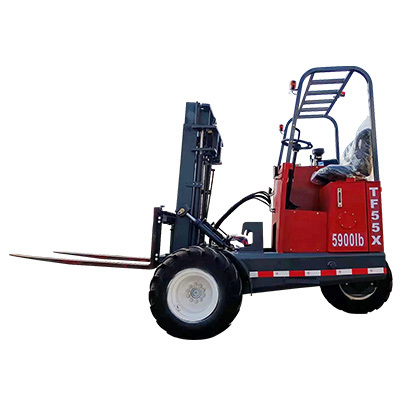
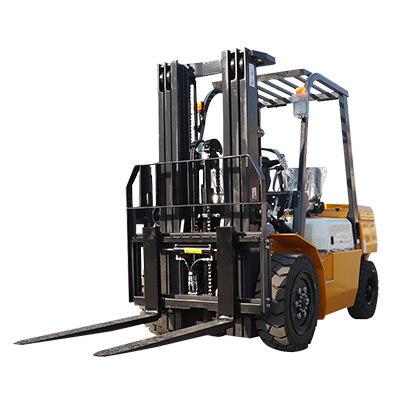
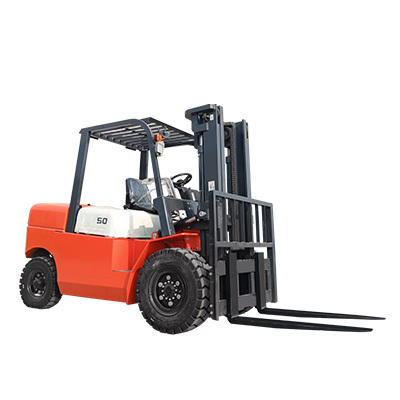
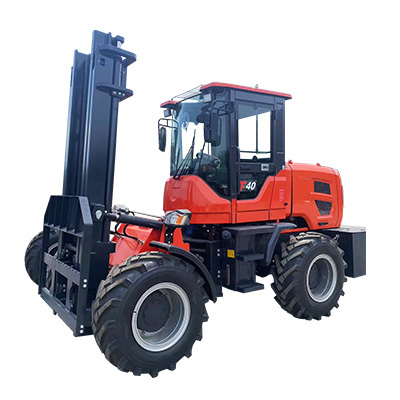
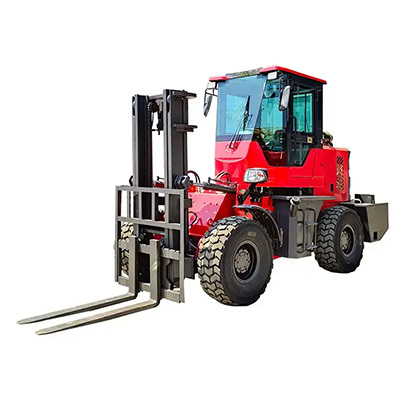
- **Forklifts**: Widely used in warehouses, forklifts can lift and transport heavy items quickly and efficiently.
- **Conveyor Belts**: Used for transporting goods across distances, conveyor belts can be adapted for various load types and sizes.
- **Stackers**: These machines can lift and stack goods, optimizing vertical storage space in warehouses.
Automated Handling Systems
As technology advances, automated handling systems are becoming increasingly popular in modern warehouses. These systems enhance efficiency and reduce labor costs.
- **Automated Guided Vehicles (AGVs)**: These unmanned vehicles transport materials across facilities following predefined paths.
- **Robotic Picking Systems**: Robots equipped with advanced vision systems can autonomously pick and pack items, improving accuracy and speed.
- **Automated Storage and Retrieval Systems (AS/RS)**: These systems automatically store and retrieve items from a designated storage area, optimizing space and improving inventory management.
Specialized Handling Equipment
In some industries, specialized handling equipment is necessary for specific tasks. This equipment is designed to handle unique materials or environments.
- **Drum Handlers**: These devices are specifically designed to lift and move drums and barrels safely.
- **Hazardous Material Handling Equipment**: For industries dealing with hazardous substances, special equipment ensures safe transportation and storage.
- **Cold Chain Handling Equipment**: Essential for transporting temperature-sensitive goods, this equipment maintains the required environment throughout the logistics process.
Choosing the Right Handling Equipment
Selecting the appropriate handling equipment is crucial for optimizing operations. Consider the following factors:
1. **Load Capacity**: Ensure the equipment can handle the weight and size of the goods.
2. **Operational Environment**: Evaluate whether the equipment is suitable for indoor or outdoor use, as well as for specific conditions like temperature or humidity.
3. **Frequency of Use**: Choose equipment based on how often it will be used. For frequent tasks, investing in more robust equipment may be necessary.
4. **Space Availability**: Assess the available space for maneuvering and storing equipment. Compact designs may be preferable in smaller facilities.
5. **Budget Constraints**: Balance the need for quality and efficiency with budget limitations. Consider long-term savings in operational costs.
Future Trends in Handling Equipment
As technology continues to evolve, several trends are shaping the future of handling equipment in the transportation and warehousing industry:
- **Integration of IoT**: The Internet of Things (IoT) enables real-time tracking and monitoring of equipment performance and inventory levels.
- **Sustainability Focus**: Eco-friendly materials and energy-efficient equipment are gaining popularity as businesses strive to reduce their environmental impact.
- **Increased Automation**: The trend toward automation will likely continue, with more companies adopting advanced robotic systems and automated storage solutions.
- **Data Analytics**: Leveraging data analytics will help companies optimize their handling processes and improve decision-making.
Best Practices in Using Handling Equipment
Employing best practices can significantly enhance the effectiveness and longevity of handling equipment:
1. **Regular Maintenance**: Implement a routine maintenance schedule to ensure equipment is in optimal working condition.
2. **Training Employees**: Provide comprehensive training for employees on the proper use and safety protocols associated with handling equipment.
3. **Safety Inspections**: Conduct regular safety inspections to identify and mitigate potential hazards.
4. **Monitor Performance**: Use data tracking to assess the performance of handling equipment and make necessary adjustments to improve efficiency.
Frequently Asked Questions (FAQs)
1. What is handling equipment?
Handling equipment refers to tools and machines that assist in the movement, storage, and protection of goods within logistics and warehousing operations.
2. What are the types of handling equipment?
The primary types include manual handling equipment, mechanical handling equipment, automated handling systems, and specialized handling equipment.
3. How do I choose the right handling equipment for my business?
Consider factors such as load capacity, operational environment, frequency of use, space availability, and budget constraints when selecting handling equipment.
4. Why is automation important in handling equipment?
Automation enhances efficiency, reduces labor costs, increases accuracy, and enables real-time monitoring of operations.
5. How can I ensure the safety of handling equipment?
Implementing regular maintenance, providing employee training, conducting safety inspections, and monitoring performance are key steps to ensure safety.
Conclusion
In conclusion, understanding the different types of handling equipment is vital for optimizing logistics and warehousing operations. Each category of equipment plays a specific role in enhancing efficiency, safety, and cost-effectiveness. By choosing the right equipment and adhering to best practices, businesses can significantly improve their handling processes and position themselves for success in the competitive transportation and warehousing industry. As technology continues to evolve, staying informed about trends and innovations in handling equipment will further empower organizations to thrive in an ever-changing landscape.
More News
Can't find the product you need?
Get in touch today and learn more of the Strength and Diversity of the Titan product range.
CONTACT US
Phone number:
Email:
Address:
Wehai:No 190-1,Culture of west road,Shandong provenice
Qingzhou:
Shanghai:


