

















Common Mistakes to Avoid When Selecting Handling Equipment: The Ultimate Guide for Efficient Logistics
Release time:
2026-09-16
Summary
Common Mistakes to Avoid When Selecting Handling Equipment
Table of Contents
Understanding Handling Equipment
The Importance of Selecting the Right Handling Equipment
Common Mistakes to Avoid When Selecting Handling Equipment
1. Not Assessing Your Needs
2. Overlooking Capacity Requirements
3. Ignoring Environmental Factors
4. Failure to Consider Safety Standards

Common Mistakes to Avoid When Selecting Handling Equipment
Table of Contents
- Understanding Handling Equipment
- The Importance of Selecting the Right Handling Equipment
- Common Mistakes to Avoid When Selecting Handling Equipment
- 1. Not Assessing Your Needs
- 2. Overlooking Capacity Requirements
- 3. Ignoring Environmental Factors
- 4. Failure to Consider Safety Standards
- 5. Not Involving End Users in the Selection Process
- 6. Underestimating Maintenance Costs
- 7. Focusing Solely on Price
- 8. Neglecting Technology Integration
- How to Make an Informed Decision
- Final Thoughts
- FAQs
Understanding Handling Equipment
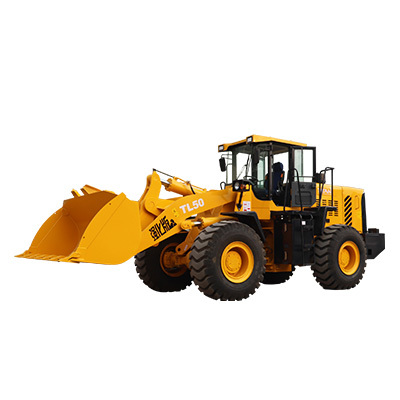
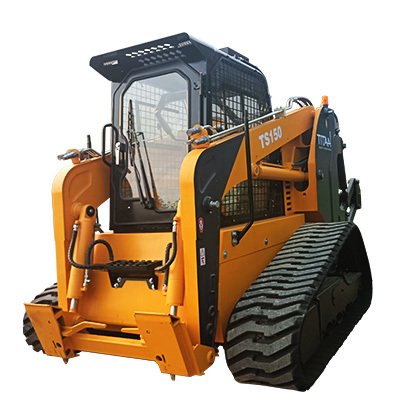
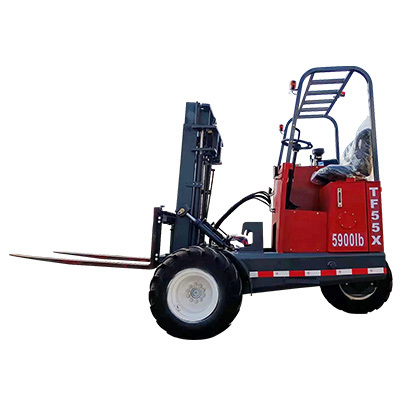
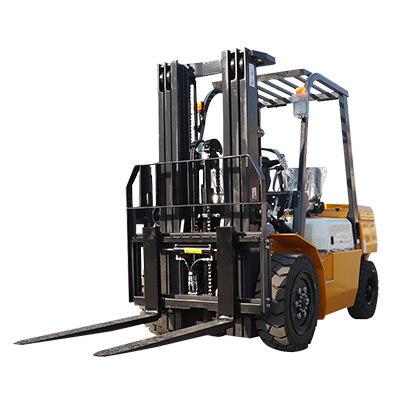
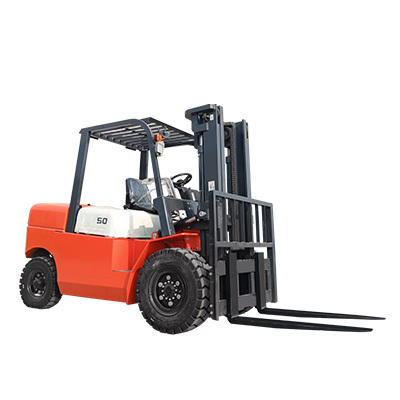
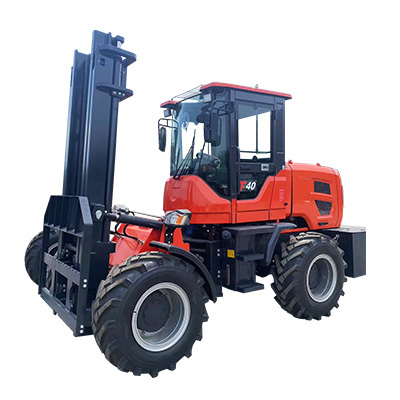
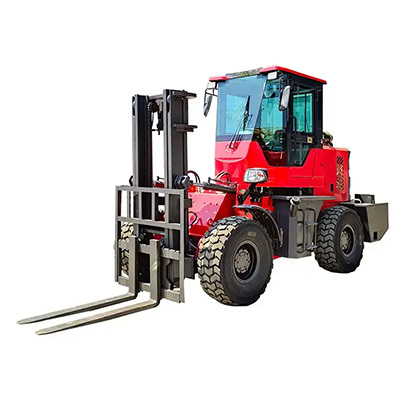
Handling equipment encompasses a wide range of machinery and tools designed to facilitate the movement, storage, and management of goods within a warehouse, distribution center, or transportation hub. Common types include forklifts, pallet jacks, and conveyor systems. Each piece of equipment serves a specific purpose and is crucial for maintaining efficiency in logistics operations.
Choosing the right handling equipment is vital for optimizing workflows, ensuring safety, and reducing operational costs. However, many organizations make the mistake of selecting equipment without fully understanding their needs or the capabilities of the machines available in the market. This can lead to inefficiencies, increased costs, and potential safety hazards.
The Importance of Selecting the Right Handling Equipment
Selecting the correct handling equipment is crucial for several reasons:
- **Operational Efficiency**: Proper equipment increases productivity by streamlining processes, reducing manual labor, and minimizing downtime.
- **Cost Reduction**: Choosing the right equipment can lower operational costs by improving energy efficiency and reducing maintenance expenses.
- **Safety Compliance**: Handling equipment must meet safety standards to protect workers and prevent accidents.
- **Adaptability**: The right equipment allows for adjustments to changing business needs, such as increased inventory or different types of products.
Understanding these factors can help ensure that your handling equipment selection aligns with your organizational goals.
Common Mistakes to Avoid When Selecting Handling Equipment
1. Not Assessing Your Needs
Before making any purchase, it's essential to conduct a thorough needs assessment. This involves evaluating the types of products you'll be handling, the volume of goods, and the specific tasks the equipment will perform. Failure to conduct a needs assessment can lead to investing in equipment that either exceeds your requirements or falls short of meeting your operational demands.
2. Overlooking Capacity Requirements
Every piece of handling equipment has a specified weight capacity. Overlooking this critical factor can result in equipment failure, which can lead to costly repairs and even injury. Always check the weight capacity specifications of any handling equipment to ensure it meets your operational needs.
3. Ignoring Environmental Factors
The environment in which handling equipment operates plays a significant role in its performance and longevity. Factors such as temperature, humidity, and whether the area is indoors or outdoors can dramatically impact the effectiveness of the equipment. Ignoring these conditions can lead to premature wear and operational inefficiencies.
4. Failure to Consider Safety Standards
Safety should always be a priority when selecting handling equipment. Make sure to verify that the equipment complies with relevant safety regulations and standards. Equipment that lacks essential safety features can pose significant risks to operators and lead to costly accidents.
5. Not Involving End Users in the Selection Process
It’s vital to involve the end-users—those who will be operating the equipment—in the selection process. Their insights and experiences can provide valuable information that can help you make a more informed decision. Failing to consider user input can lead to the selection of equipment that is difficult to operate or unsuitable for the intended tasks.
6. Underestimating Maintenance Costs
Maintenance is an ongoing expense that must be factored into your total cost of ownership for handling equipment. Many organizations overlook this aspect and may find themselves spending significantly more on repairs and servicing than they anticipated. Understanding the long-term maintenance requirements and costs can help you budget more accurately.
7. Focusing Solely on Price
While price is an important consideration, it should not be the only factor that influences your decision. Cheaper equipment may save you money upfront but can lead to higher maintenance costs and lower efficiency in the long run. Evaluate the total cost of ownership, which includes purchasing, operating, and maintenance costs, to make a more well-rounded decision.
8. Neglecting Technology Integration
As technology evolves, so do handling equipment capabilities. Failing to consider how new technology can integrate with your existing systems may result in missed opportunities for increased productivity. Look for equipment that supports automation, data collection, and seamless connectivity with your logistics systems.
How to Make an Informed Decision
To avoid common mistakes when selecting handling equipment, follow these steps:
1. **Conduct a Thorough Needs Assessment**: Analyze your specific requirements and challenges.
2. **Evaluate Equipment Options**: Research different types and models of handling equipment to find those that align with your needs.
3. **Consult with Manufacturers and Distributors**: Seek expert advice to understand the capabilities and limitations of various equipment options.
4. **Involve End Users**: Gather feedback from those who will be operating the equipment.
5. **Consider Total Cost of Ownership**: Factor in purchase price, maintenance, and operational costs before making a final decision.
6. **Stay Informed About Technology Trends**: Keep abreast of the latest advancements in handling equipment technology.
By adhering to these steps, you can enhance your decision-making process, ensuring that your handling equipment selection supports your organizational goals while minimizing risks.
Final Thoughts
Selecting the right handling equipment is a critical decision that can significantly impact your logistics operations. By avoiding common mistakes—such as neglecting needs assessments, overlooking capacity requirements, and focusing solely on price—you can make well-informed choices that enhance efficiency and safety within your organization. Always prioritize long-term feasibility and adaptability to ensure your equipment meets your evolving business needs.
FAQs
1. What types of handling equipment are commonly used in warehouses?
Common types of handling equipment include forklifts, pallet jacks, conveyor systems, and hand trucks. Each serves specific purposes and enhances logistical efficiency.
2. How can I determine the right capacity for handling equipment?
To determine the right capacity, evaluate the maximum weight and volume of goods your operation handles regularly. Ensure that the equipment can accommodate these requirements comfortably.
3. Why is safety compliance important when selecting handling equipment?
Safety compliance ensures that equipment meets regulatory standards, reducing the risk of accidents and injuries in the workplace. It protects both employees and the organization from potential liabilities.
4. What factors should I consider when assessing environmental conditions for handling equipment?
Consider factors such as temperature, humidity, and whether the equipment will be used indoors or outdoors. These conditions can affect equipment performance and durability.
5. How can technology improve the efficiency of handling equipment?
Technology enhances efficiency through automation, data collection, and improved connectivity with existing systems, leading to streamlined processes and better resource management.
By being aware of these common mistakes and following the provided guidelines, you can make informed decisions that will lead to enhanced operational efficiency and reduced costs in your handling equipment selection process.
More News
Can't find the product you need?
Get in touch today and learn more of the Strength and Diversity of the Titan product range.
CONTACT US
Phone number:
Email:
Address:
Wehai:No 190-1,Culture of west road,Shandong provenice
Qingzhou:
Shanghai:


