

















Integrating Piggyback Forklifts into Your Supply Chain Strategy for Enhanced Efficiency
Release time:
2026-06-09
Summary
Integrating Piggyback Forklifts into Your Supply Chain Strategy
Table of Contents
Introduction to Piggyback Forklifts
Understanding Piggyback Forklifts
Benefits of Using Piggyback Forklifts in Supply Chains
Choosing the Right Piggyback Forklift for Your Operations
Integrating Piggyback Forklifts into Your Supply Chain
Training and Implementation Strategies
Safety Considerations

Integrating Piggyback Forklifts into Your Supply Chain Strategy
Table of Contents
- Introduction to Piggyback Forklifts
- Understanding Piggyback Forklifts
- Benefits of Using Piggyback Forklifts in Supply Chains
- Choosing the Right Piggyback Forklift for Your Operations
- Integrating Piggyback Forklifts into Your Supply Chain
- Training and Implementation Strategies
- Safety Considerations When Using Piggyback Forklifts
- Case Studies: Successful Integration of Piggyback Forklifts
- Frequently Asked Questions
- Conclusion
Introduction to Piggyback Forklifts
In the fast-paced world of logistics and supply chain management, **efficiency** and **flexibility** are paramount. As businesses strive to optimize their operations, piggyback forklifts have emerged as a **game-changing solution**. These innovative machines allow for effective transportation of goods, especially for businesses involved in **transportation, loading, and warehousing**. This article explores the benefits and strategies for integrating piggyback forklifts into your supply chain, ensuring your operations remain competitive and efficient.
Understanding Piggyback Forklifts
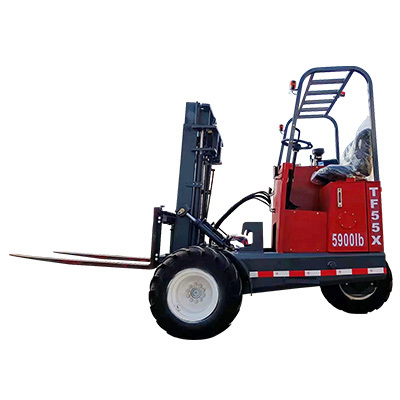
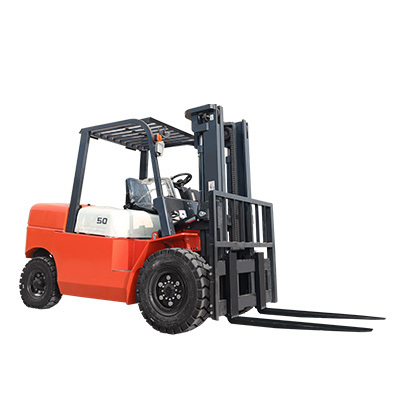
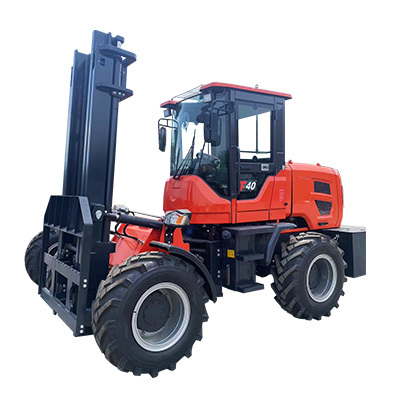
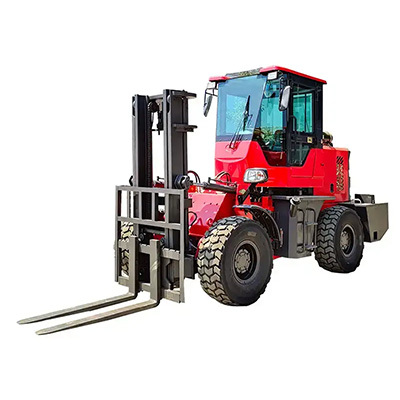
Piggyback forklifts, also known as **trailer-mounted forklifts**, are designed to be loaded onto trailers for transport. They are unique in that they allow for **on-site unloading**, which can significantly reduce the time and labor required in logistics operations. Understanding the functionalities of these forklifts is crucial for businesses looking to enhance their supply chain strategies.
What Makes Piggyback Forklifts Unique?
Piggyback forklifts are distinct due to their **design and versatility**. They can easily transition between road and dock environments, making them ideal for businesses that need to move goods across different sites. Their compact size enables them to access areas that traditional forklifts might find challenging.
Key Features of Piggyback Forklifts
- **Mobility:** Capable of being towed behind trucks, they can reach various locations without needing additional transport.
- **Versatility:** Suitable for loading and unloading in tight spaces.
- **Efficiency:** Reduces the need for multiple handling points, streamlining operations.
- **Cost-Effective:** Lowers labor costs as fewer workers are needed for transport.
Benefits of Using Piggyback Forklifts in Supply Chains
Integrating piggyback forklifts into your supply chain can yield numerous benefits, directly impacting operational efficiency and cost-effectiveness.
Enhanced Efficiency and Reduced Downtime
One of the most significant advantages of utilizing piggyback forklifts is the **reduction in downtime**. By allowing for on-site unloading, companies can minimize delays and keep operations running smoothly.
Cost Savings on Labor
With fewer personnel required for loading and unloading, businesses can achieve substantial **labor cost savings**. This benefit frees up resources for other essential functions within the supply chain.
Improved Safety Standards
Piggyback forklifts are designed with safety features that help reduce the risk of accidents during the loading and unloading processes. This improvement not only protects employees but also reduces potential liability for the company.
Choosing the Right Piggyback Forklift for Your Operations
Selecting the appropriate piggyback forklift requires careful consideration of various factors to ensure compatibility with your operational needs.
Assessing Your Operational Needs
Identify the specific requirements of your supply chain, including **load capacity**, **working environment**, and **transportation routes**. This assessment will guide you in selecting a forklift that aligns with your operational demands.
Evaluating Forklift Specifications
Consider the specifications of different models, such as lift height, stability, and attachments. **Comparative analysis** of these features can help you make an informed decision.
Integrating Piggyback Forklifts into Your Supply Chain
Successfully integrating piggyback forklifts into your supply chain involves strategic planning and implementation.
Step-by-Step Integration Process
1. **Assessment of Current Operations**: Analyze existing workflows to identify areas for improvement.
2. **Training Staff**: Conduct comprehensive training sessions for staff to familiarize them with the new equipment.
3. **Pilot Programs**: Implement a pilot program to evaluate the effectiveness of piggyback forklifts in specific scenarios.
4. **Feedback and Adjustment**: Collect feedback from operators to make necessary adjustments before full-scale implementation.
Training and Implementation Strategies
Proper training is essential for maximizing the benefits of piggyback forklifts.
Comprehensive Training Programs
Develop training programs focusing on safe operation, maintenance, and troubleshooting. Incorporating both theoretical and practical sessions can enhance learning.
Monitoring Performance
Post-implementation, monitor the performance of piggyback forklifts to assess their impact on operational efficiency. Utilize key performance indicators (KPIs) to measure success.
Safety Considerations When Using Piggyback Forklifts
While integrating piggyback forklifts can yield significant benefits, safety remains a top priority.
Implementing Safety Protocols
Establish robust safety protocols that ensure operators adhere to safe handling practices. Regular safety audits can help identify potential hazards and improve compliance.
Ensuring Proper Maintenance
Regular maintenance of piggyback forklifts is essential to ensure their longevity and safety. Develop a maintenance schedule that includes routine checks and servicing.
Case Studies: Successful Integration of Piggyback Forklifts
Reviewing successful case studies can provide valuable insights into the integration process.
Case Study 1: Retail Distribution Center
A leading retail distribution center integrated piggyback forklifts into their supply chain, resulting in a 25% reduction in loading time and a significant improvement in overall efficiency.
Case Study 2: Food and Beverage Industry
A food and beverage company streamlined their operations by adopting piggyback forklifts, leading to enhanced product handling and a decrease in labor costs by 15%.
Frequently Asked Questions
What are the key advantages of using piggyback forklifts?
Piggyback forklifts enhance efficiency, reduce labor costs, improve safety, and minimize downtime in supply chain operations.
How do I choose the right piggyback forklift for my business?
Assess your operational needs, evaluate different models’ specifications, and consider load capacities and working environments.
Are there any safety concerns with piggyback forklifts?
Yes, safety considerations include proper training, adherence to safety protocols, and regular maintenance to minimize risks.
Can piggyback forklifts be used in all environments?
While piggyback forklifts are versatile, they may not be suitable for all environments. Assess your specific conditions before integration.
What is the training process for operating piggyback forklifts?
Training should include both theoretical and practical sessions covering safe operation, maintenance, and troubleshooting techniques.
Conclusion
Integrating piggyback forklifts into your supply chain strategy presents an opportunity to enhance operational efficiency, reduce costs, and improve safety. By carefully selecting the right equipment, implementing comprehensive training programs, and prioritizing safety, businesses can successfully leverage the advantages of this innovative technology. As the logistics industry continues to evolve, embracing change and adopting efficient solutions like piggyback forklifts will be key to maintaining a competitive edge in the market.
Previous:
More News
Can't find the product you need?
Get in touch today and learn more of the Strength and Diversity of the Titan product range.
CONTACT US
Phone number:
Email:
Address:
Wehai:No 190-1,Culture of west road,Shandong provenice
Qingzhou:
Shanghai:


