

















Understanding the Importance of Materials Handling Equipment in Transportation and Warehousing
Release time:
2025-12-30
Summary
Materials Handling Equipment (MHE) plays a pivotal role in the transportation and warehousing industry. It encompasses a broad range of tools and machines designed to aid in the movement, protection, storage, and control of materials throughout the manufacturing, warehousing, distribution, consumption, and disposal stages. The effective use of MHE can streamline operations, reduce labor costs, enh

Materials Handling Equipment (MHE) plays a pivotal role in the transportation and warehousing industry. It encompasses a broad range of tools and machines designed to aid in the movement, protection, storage, and control of materials throughout the manufacturing, warehousing, distribution, consumption, and disposal stages. The effective use of MHE can streamline operations, reduce labor costs, enhance workplace safety, and ultimately contribute to an organization’s bottom line.
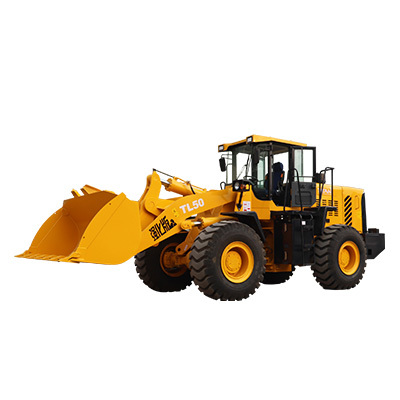
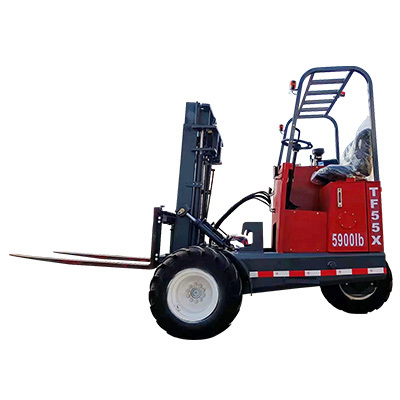
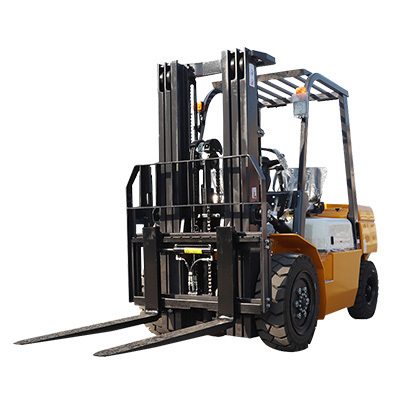
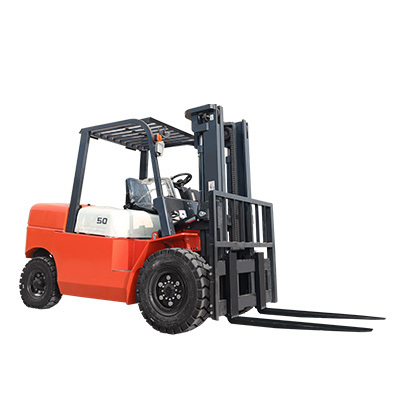
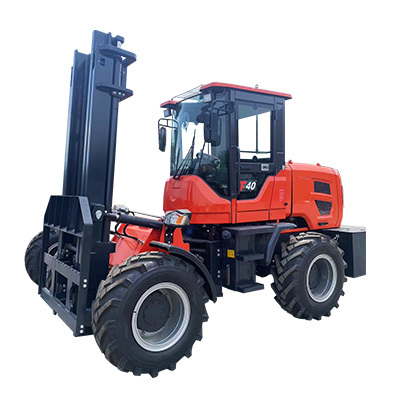
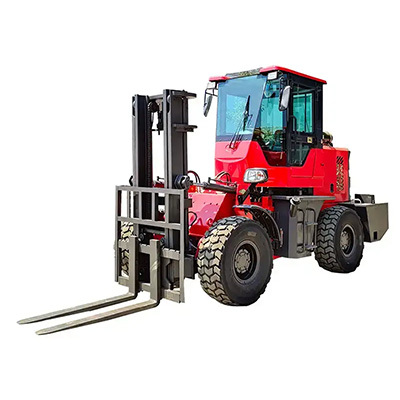
One of the key aspects of MHE is its classification into several types, each serving specific functions. Common categories include forklifts, pallet jacks, conveyor systems, and automated storage and retrieval systems (AS/RS). Forklifts are perhaps the most recognized form of MHE. They are designed to lift and transport heavy loads within a warehouse, making them essential for inventory management and order fulfillment. Pallet jacks, on the other hand, are ideal for moving palletized loads short distances, ideal for smaller warehouses where space is at a premium.
Conveyor systems provide a continuous movement of goods, reducing the need for manual handling and significantly speeding up the process of transporting materials from one point to another. Automated storage and retrieval systems take this efficiency a step further by using robotics to locate and retrieve materials, minimizing human error and optimizing storage space.
The benefits of employing MHE extend beyond mere efficiency. Safety is a paramount concern in any warehouse or transport environment. The right MHE can greatly reduce the risk of workplace injuries. For instance, using a forklift can prevent workers from manually lifting heavy items, which is a leading cause of musculoskeletal injuries. Furthermore, advancements in MHE technology, such as ergonomic designs and safety sensors, contribute to a safer working environment.
Another significant factor is the role of MHE in inventory management. Efficient materials handling ensures that products are stored correctly and are easily accessible. This can lead to improved stock accuracy and reduced instances of overstocking or stockouts, ultimately resulting in better customer satisfaction and increased profitability.
In summary, Materials Handling Equipment is a cornerstone of the transportation and warehousing industry. By understanding its various types and benefits, organizations can make informed decisions that enhance efficiency, safety, and overall operational effectiveness. Investing in quality MHE is not just a matter of convenience; it is a strategic move that can lead to long-term success in the competitive landscape of logistics and supply chain management.
Back to list
One of the key aspects of MHE is its classification into several types, each serving specific functions. Common categories include forklifts, pallet jacks, conveyor systems, and automated storage and retrieval systems (AS/RS). Forklifts are perhaps the most recognized form of MHE. They are designed to lift and transport heavy loads within a warehouse, making them essential for inventory management and order fulfillment. Pallet jacks, on the other hand, are ideal for moving palletized loads short distances, ideal for smaller warehouses where space is at a premium.
Conveyor systems provide a continuous movement of goods, reducing the need for manual handling and significantly speeding up the process of transporting materials from one point to another. Automated storage and retrieval systems take this efficiency a step further by using robotics to locate and retrieve materials, minimizing human error and optimizing storage space.
The benefits of employing MHE extend beyond mere efficiency. Safety is a paramount concern in any warehouse or transport environment. The right MHE can greatly reduce the risk of workplace injuries. For instance, using a forklift can prevent workers from manually lifting heavy items, which is a leading cause of musculoskeletal injuries. Furthermore, advancements in MHE technology, such as ergonomic designs and safety sensors, contribute to a safer working environment.
Another significant factor is the role of MHE in inventory management. Efficient materials handling ensures that products are stored correctly and are easily accessible. This can lead to improved stock accuracy and reduced instances of overstocking or stockouts, ultimately resulting in better customer satisfaction and increased profitability.
In summary, Materials Handling Equipment is a cornerstone of the transportation and warehousing industry. By understanding its various types and benefits, organizations can make informed decisions that enhance efficiency, safety, and overall operational effectiveness. Investing in quality MHE is not just a matter of convenience; it is a strategic move that can lead to long-term success in the competitive landscape of logistics and supply chain management.
More News
Can't find the product you need?
Get in touch today and learn more of the Strength and Diversity of the Titan product range.
CONTACT US
Phone number:
Email:
Address:
Wehai:No 190-1,Culture of west road,Shandong provenice
Qingzhou:
Shanghai:


