

















Top 5 Handling Equipment Options for Efficient Cargo Handling
Release time:
2026-01-06
Summary
Top 5 Handling Equipment Options for Efficient Cargo Handling
In the fast-paced world of logistics and supply chain management, efficient cargo handling is paramount. The right handling equipment can significantly enhance productivity, reduce operational costs, and improve safety standards. With myriad options available, it can be challenging to determine which equipment best suits your specific n

Top 5 Handling Equipment Options for Efficient Cargo Handling
In the fast-paced world of logistics and supply chain management, efficient cargo handling is paramount. The right handling equipment can significantly enhance productivity, reduce operational costs, and improve safety standards. With myriad options available, it can be challenging to determine which equipment best suits your specific needs. This article delves into the top five handling equipment options that can optimize your cargo handling processes.
Table of Contents
1. Introduction to Cargo Handling Efficiency
2. Importance of Choosing the Right Handling Equipment
3. Top 5 Handling Equipment Options
3.1. Forklifts: Versatile Workhorses for Heavy Lifting
3.2. Pallet Jacks: The Ultimate Tool for Manual Handling
3.3. Conveyor Systems: Streamlining Movement of Goods
3.4. Hand Trucks: Compact Solutions for Smaller Loads
3.5. Stackers: Efficient Vertical Storage Solutions
4. Factors to Consider When Choosing Handling Equipment
5. Frequently Asked Questions (FAQs)
6. Conclusion
1. Introduction to Cargo Handling Efficiency
Cargo handling is a critical component of the transportation and warehousing industry. Efficient cargo handling ensures that products are moved, stored, and transported with minimal delay and maximum safety. As businesses strive to improve their operational efficiency, understanding the various types of handling equipment available is essential.
2. Importance of Choosing the Right Handling Equipment
Selecting the appropriate handling equipment is crucial for several reasons:
- **Productivity**: The right equipment can reduce the time taken to move goods, thereby increasing overall productivity.
- **Safety**: Proper handling equipment minimizes the risk of accidents and injuries in the workplace.
- **Cost-effectiveness**: Efficient equipment reduces labor costs and minimizes product damage during handling.
- **Scalability**: Choosing versatile equipment allows businesses to adapt their handling capabilities as they grow.
Understanding the unique advantages of each type of handling equipment will empower businesses to make informed decisions that align with their operational needs.
3. Top 5 Handling Equipment Options
3.1. Forklifts: Versatile Workhorses for Heavy Lifting
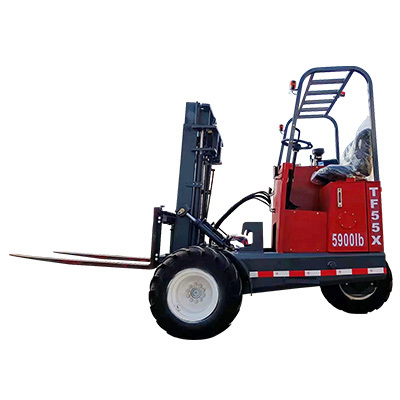
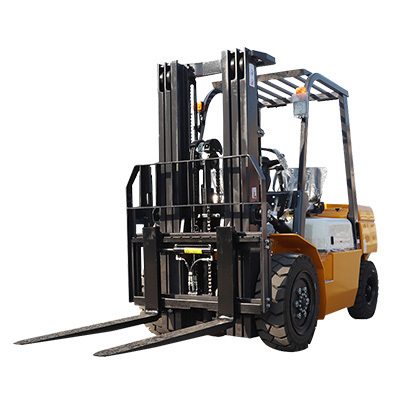
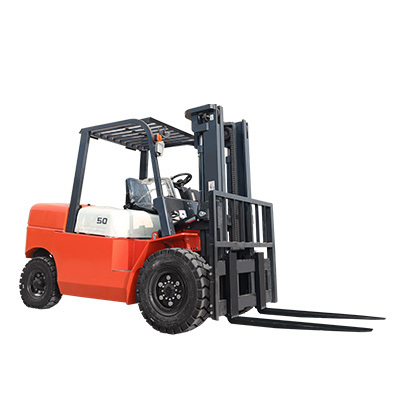
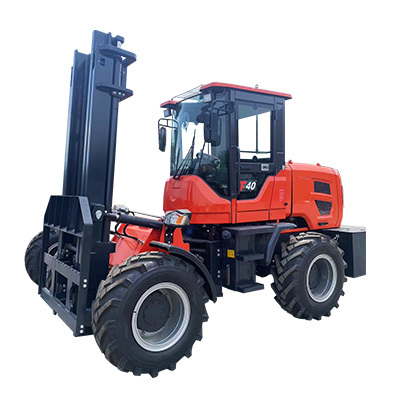
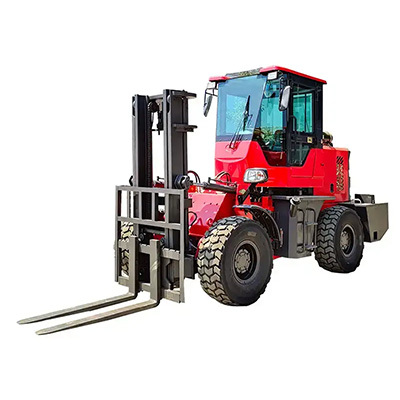
Forklifts are among the most widely used handling equipment in warehouses and distribution centers. They are designed for lifting and transporting heavy loads across short distances.
- **Types of Forklifts**: There are various types of forklifts including counterbalance, reach, and pallet forklifts, each tailored for specific tasks.
- **Benefits**: Forklifts can lift loads of various sizes, making them highly versatile. They also enhance safety by allowing operators to lift heavy items without physical strain.
Investing in the right forklift model can significantly boost your warehouse's efficiency by ensuring that heavy lifting is done safely and swiftly.
3.2. Pallet Jacks: The Ultimate Tool for Manual Handling
Pallet jacks are essential for moving pallets around warehouses and storage facilities. They provide a manual means to lift and transport goods with ease.
- **How They Work**: Pallet jacks consist of a frame with forks that slide under a pallet, allowing the operator to lift and maneuver it.
- **Advantages**: They are cost-effective and require minimal training to operate. Pallet jacks are ideal for smaller operations that don’t require the heavy lifting capabilities of a forklift.
Utilizing pallet jacks can streamline manual handling processes, especially in tight spaces where larger equipment might not fit.
3.3. Conveyor Systems: Streamlining Movement of Goods
Conveyor systems automate the process of moving goods from one point to another within a facility.
- **Types of Conveyors**: There are belt conveyors, roller conveyors, and modular conveyors, each suitable for different types of products and operational requirements.
- **Efficiency Gains**: Conveyor systems reduce the need for manual handling, minimizing labor costs and speeding up the movement of goods.
Incorporating a conveyor system can revolutionize your logistics operation, leading to significant efficiency improvements.
3.4. Hand Trucks: Compact Solutions for Smaller Loads
Hand trucks, also known as dollies or two-wheelers, are perfect for transporting smaller loads.
- **Design and Functionality**: Hand trucks are simple yet effective tools designed to carry heavy items with minimal effort.
- **Benefits**: They are lightweight, easy to maneuver, and an excellent choice for deliveries or moving goods within a facility.
Hand trucks are an invaluable asset for businesses that deal with smaller shipments or need to navigate through tight spaces.
3.5. Stackers: Efficient Vertical Storage Solutions
Stackers are designed to lift and stack goods efficiently, making them ideal for maximizing vertical space in warehouses.
- **Types of Stackers**: Manual stackers and electric stackers are available, catering to different operational needs.
- **Space Optimization**: By utilizing stackers, businesses can increase storage density and improve inventory management.
Implementing stackers in your warehouse can significantly enhance your storage capabilities while ensuring safety during the stacking process.
4. Factors to Consider When Choosing Handling Equipment
Selecting the right handling equipment involves evaluating several factors:
- **Load Capacity**: Consider the maximum weight the equipment can handle and your typical load requirements.
- **Facility Layout**: The design of your warehouse or storage area will influence which equipment is most suitable.
- **Operator Training**: Ensure that staff members are adequately trained to use the equipment safely and efficiently.
- **Maintenance Requirements**: Evaluate the upkeep needed for each type of equipment to avoid unexpected costs.
By carefully considering these factors, businesses can make more informed decisions regarding their handling equipment.
5. Frequently Asked Questions (FAQs)
What is the best handling equipment for small warehouses?
For small warehouses, **pallet jacks** and **hand trucks** are typically the best options due to their compact size and ease of use.
How do I know what load capacity I need for my equipment?
Assess your typical loads and consider the heaviest items you need to lift. Always choose equipment that exceeds your maximum load requirements for safety.
Are electric forklifts better than gas-powered ones?
Electric forklifts are generally more environmentally friendly and quieter, while gas-powered forklifts offer greater power for heavy-duty applications. Your choice depends on your specific needs.
Can conveyor systems be customized for specific operations?
Yes, conveyor systems can be tailored to fit unique operational needs, including modifications in length, width, and speed.
What safety measures should I take when using handling equipment?
Ensure that operators receive proper training, conduct regular maintenance checks, and always use the equipment according to manufacturer guidelines to minimize risks.
6. Conclusion
In conclusion, understanding the various handling equipment options available is crucial for enhancing cargo handling efficiency in any logistics operation. Whether it’s the versatile **forklift**, the manual **pallet jack**, the automated **conveyor system**, the compact **hand truck**, or the space-saving **stacker**, each piece of equipment serves a unique purpose in streamlining operations. By investing in the right equipment tailored to your operational needs and facility layout, you can significantly reduce costs, improve safety, and elevate productivity levels in your cargo handling processes. Empower your business to thrive in the competitive logistics landscape by making informed decisions today.
More News
Can't find the product you need?
Get in touch today and learn more of the Strength and Diversity of the Titan product range.
CONTACT US
Phone number:
Email:
Address:
Wehai:No 190-1,Culture of west road,Shandong provenice
Qingzhou:
Shanghai:


