

















Essential Insights into Materials Handling Equipment for Efficient Transportation and Warehousing
Release time:
2026-11-09
Summary
Materials Handling Equipment (MHE) plays a pivotal role in the logistics and warehousing sector, particularly in the transportation and loading processes. As businesses increasingly focus on efficiency and safety, understanding the various types of MHE and their applications becomes essential for professionals in the field.
MHE encompasses a wide range of devices and systems designed to facilitat

Materials Handling Equipment (MHE) plays a pivotal role in the logistics and warehousing sector, particularly in the transportation and loading processes. As businesses increasingly focus on efficiency and safety, understanding the various types of MHE and their applications becomes essential for professionals in the field.
MHE encompasses a wide range of devices and systems designed to facilitate the movement, protection, storage, and control of materials throughout the manufacturing, warehousing, and distribution processes. The main categories of materials handling equipment include manual, semi-automated, and automated systems.
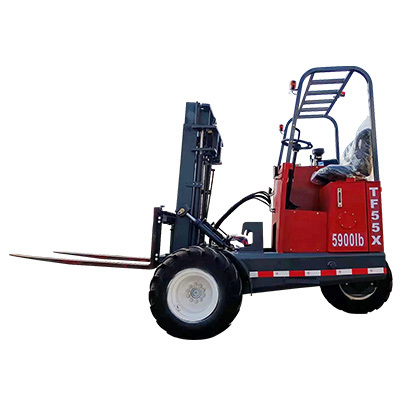
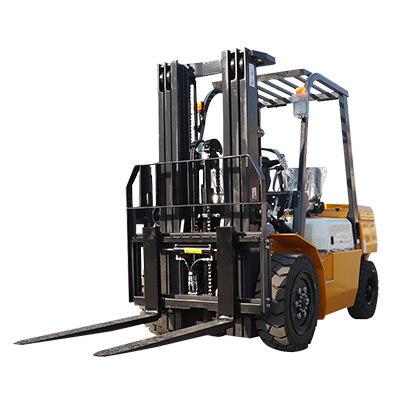
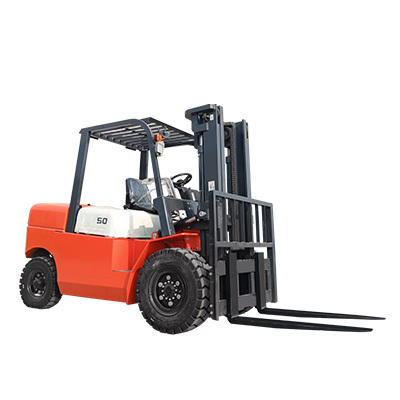
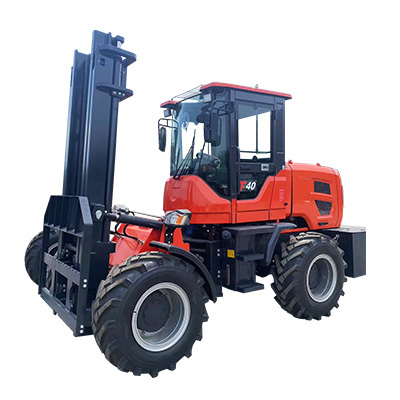
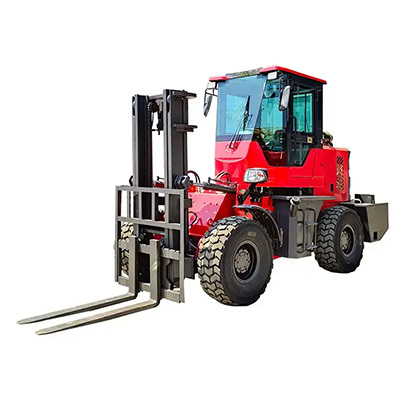
Manual equipment includes hand trucks, pallet jacks, and forklifts. These tools are particularly useful in smaller operations where space is limited or where the cost of automation cannot be justified. Manual handling equipment enhances maneuverability and allows for quick loading and unloading of goods, but it requires skilled operators to ensure safety and efficiency.
On the other hand, semi-automated solutions like conveyor systems and automated guided vehicles (AGVs) streamline operations by reducing the manual effort required. These systems integrate technology to facilitate the transport of goods across a facility, minimizing human intervention and thereby decreasing the likelihood of errors or accidents.
For larger operations, fully automated materials handling equipment can transform logistics workflows. Automated storage and retrieval systems (AS/RS) and robotic picking systems significantly improve efficiency by using advanced technologies, including robotics and artificial intelligence, to manage inventory. These systems not only speed up the handling process but also optimize space utilization within warehouses, leading to cost savings over time.
When selecting the appropriate materials handling equipment, professionals should consider factors such as the type of materials being handled, the layout of the warehouse, and specific operational needs. Safety should also be a priority; equipment must comply with safety regulations and be suitable for the working environment to minimize risks to personnel.
In conclusion, investing in the right Materials Handling Equipment is essential for improving operational efficiency in transportation and warehousing. By understanding the various types of equipment available and their specific applications, businesses can make informed decisions that enhance productivity and safety in their logistics operations. Whether you’re working with manual tools or leading-edge automated systems, effective materials handling is crucial for achieving overall supply chain excellence.
Back to list
MHE encompasses a wide range of devices and systems designed to facilitate the movement, protection, storage, and control of materials throughout the manufacturing, warehousing, and distribution processes. The main categories of materials handling equipment include manual, semi-automated, and automated systems.
Manual equipment includes hand trucks, pallet jacks, and forklifts. These tools are particularly useful in smaller operations where space is limited or where the cost of automation cannot be justified. Manual handling equipment enhances maneuverability and allows for quick loading and unloading of goods, but it requires skilled operators to ensure safety and efficiency.
On the other hand, semi-automated solutions like conveyor systems and automated guided vehicles (AGVs) streamline operations by reducing the manual effort required. These systems integrate technology to facilitate the transport of goods across a facility, minimizing human intervention and thereby decreasing the likelihood of errors or accidents.
For larger operations, fully automated materials handling equipment can transform logistics workflows. Automated storage and retrieval systems (AS/RS) and robotic picking systems significantly improve efficiency by using advanced technologies, including robotics and artificial intelligence, to manage inventory. These systems not only speed up the handling process but also optimize space utilization within warehouses, leading to cost savings over time.
When selecting the appropriate materials handling equipment, professionals should consider factors such as the type of materials being handled, the layout of the warehouse, and specific operational needs. Safety should also be a priority; equipment must comply with safety regulations and be suitable for the working environment to minimize risks to personnel.
In conclusion, investing in the right Materials Handling Equipment is essential for improving operational efficiency in transportation and warehousing. By understanding the various types of equipment available and their specific applications, businesses can make informed decisions that enhance productivity and safety in their logistics operations. Whether you’re working with manual tools or leading-edge automated systems, effective materials handling is crucial for achieving overall supply chain excellence.
Previous:
More News
Can't find the product you need?
Get in touch today and learn more of the Strength and Diversity of the Titan product range.
CONTACT US
Phone number:
Email:
Address:
Wehai:No 190-1,Culture of west road,Shandong provenice
Qingzhou:
Shanghai:


