










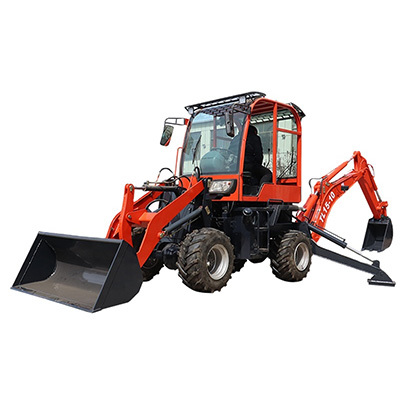
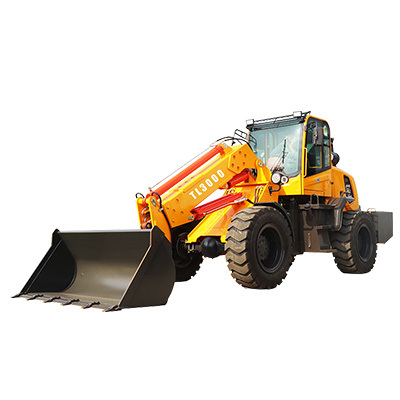
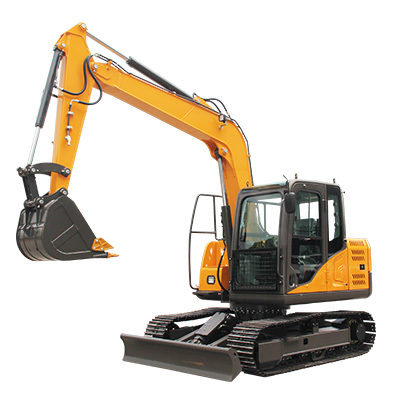
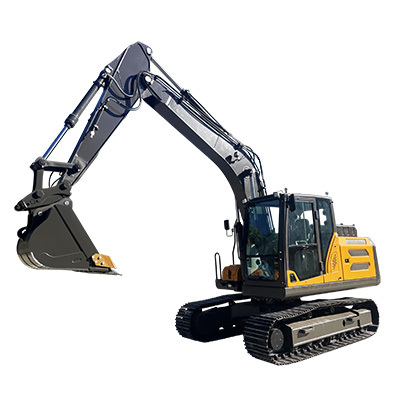







Piggyback Forklifts vs. Traditional Forklifts: A Comprehensive Comparative Analysis for Efficient Material Handling
Release time:
2025-12-23
Summary
Piggyback Forklifts vs. Traditional Forklifts: A Comparative Analysis
Table of Contents
1. Introduction: Understanding Forklifts
2. What Are Piggyback Forklifts?
3. What Are Traditional Forklifts?
4. Key Features of Piggyback Forklifts
5. Key Features of Traditional Forklifts
6. Advantages of Piggyback Forklifts
7. Advantages of Traditional Forklifts
8. Application

Piggyback Forklifts vs. Traditional Forklifts: A Comparative Analysis
Table of Contents
- 1. Introduction: Understanding Forklifts
- 2. What Are Piggyback Forklifts?
- 3. What Are Traditional Forklifts?
- 4. Key Features of Piggyback Forklifts
- 5. Key Features of Traditional Forklifts
- 6. Advantages of Piggyback Forklifts
- 7. Advantages of Traditional Forklifts
- 8. Application Scenarios: When to Use Each Type
- 9. Cost Analysis: Piggyback vs. Traditional Forklifts
- 10. Maintenance Considerations
- 11. Conclusion
- 12. FAQs
1. Introduction: Understanding Forklifts
In the realm of material handling, **forklifts** serve as indispensable machines that facilitate the movement, lifting, and stacking of heavy goods. Among the myriad types available, **piggyback forklifts** and **traditional forklifts** represent two popular choices, each with unique characteristics suited for different operational needs. This article aims to provide a comprehensive analysis of these two types of forklifts, helping businesses make informed decisions based on their specific requirements.
2. What Are Piggyback Forklifts?
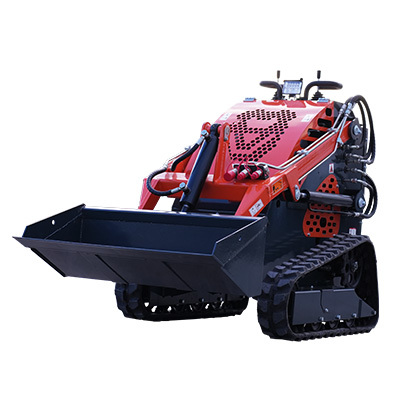
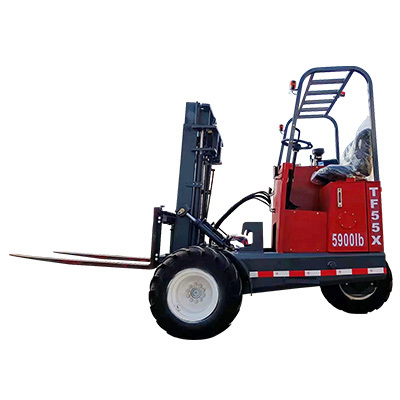
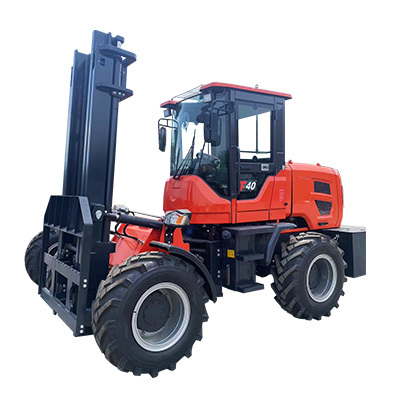
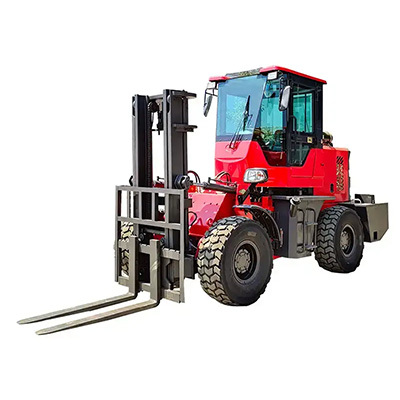
Piggyback forklifts are specialized forklifts designed primarily for transporting goods over long distances, especially on trucks. These machines feature a unique construction where the forklift is mounted on the rear of a truck, allowing for efficient loading and unloading. The piggyback design enables seamless transitions between road and warehouse operations, making them ideal for industries that require flexibility.
3. What Are Traditional Forklifts?
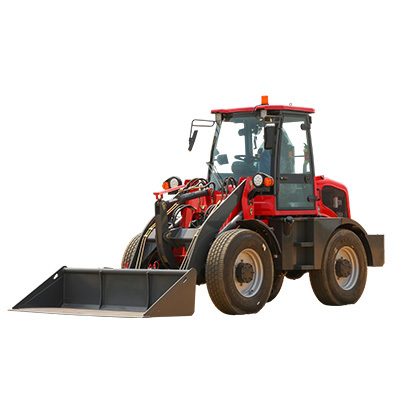
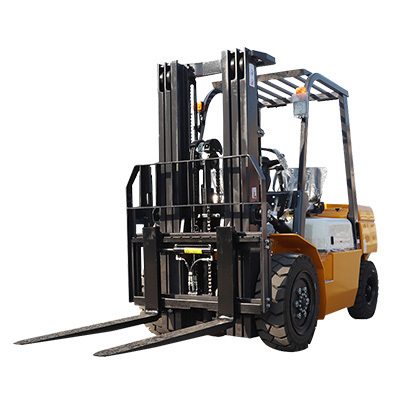
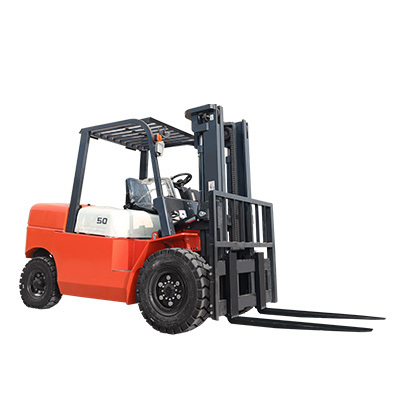
Traditional forklifts, often seen in warehouses and distribution centers, consist of a lift mechanism mounted on a vehicle. These forklifts are generally used for lifting and moving heavy materials over short distances within a confined space. They come in various types, including electric, diesel, and propane-powered models, each tailored to different operational environments.
4. Key Features of Piggyback Forklifts
Understanding the fundamental features of piggyback forklifts can help businesses appreciate their unique capabilities:
4.1 Integrated Design
The most notable feature of piggyback forklifts is their integrated design, allowing them to be transported easily on flatbeds. This feature enhances mobility and reduces the need for additional transportation equipment.
4.2 Versatility
Piggyback forklifts excel in versatility, effectively handling various tasks such as unloading at delivery sites or transporting goods from warehouses. Their adaptability makes them suitable for different industries, including agriculture, construction, and logistics.
4.3 Efficient Load Handling
Equipped with powerful lifting capabilities, piggyback forklifts can handle loads typically ranging from 3,000 to 5,000 pounds, making them suitable for a variety of materials.
5. Key Features of Traditional Forklifts
Traditional forklifts boast several distinctive features that make them a staple in material handling operations:
5.1 Variety of Models
Traditional forklifts come in various types, including counterbalance, reach, and pallet jacks, catering to different lifting needs and environments.
5.2 Maneuverability
These forklifts are designed for tight spaces, making them ideal for indoor operations where agility and precision are essential.
5.3 Power Options
Traditional forklifts can be powered by electric batteries, LPG, or diesel, allowing businesses to choose models that best fit their operational requirements and environmental considerations.
6. Advantages of Piggyback Forklifts
When comparing piggyback forklifts to traditional forklifts, several key advantages set them apart:
6.1 Enhanced Mobility
The mobility of piggyback forklifts allows for easy transitions between transport and loading tasks, reducing downtime and improving operational efficiency.
6.2 Reduced Equipment Costs
By integrating transportation and lifting capabilities, businesses can save on equipment costs, as fewer machines are needed to complete the same tasks.
6.3 Increased Safety
Piggyback forklifts can help enhance safety at loading docks and delivery sites by minimizing the need for manual lifting and reducing the risk of accidents.
7. Advantages of Traditional Forklifts
Traditional forklifts also offer a range of advantages that make them a preferred choice in many settings:
7.1 High Load Capacity
Traditional forklifts can handle heavier loads compared to many piggyback models, making them ideal for heavy industrial applications.
7.2 Diverse Applications
Their versatility makes traditional forklifts suitable for various applications, from simple warehouse tasks to complex industrial operations.
7.3 Established Technology
Being a widely adopted machinery, traditional forklifts come with a vast array of support, training, and readily available parts, ensuring ease of maintenance and operation.
8. Application Scenarios: When to Use Each Type
Choosing between piggyback and traditional forklifts often depends on specific operational needs:
8.1 Ideal Scenarios for Piggyback Forklifts
- **Long-Distance Transport:** Best suited for businesses that require efficient transportation of goods over long distances.
- **Mixed Operations:** Useful in environments where both loading and unloading occur at remote sites.
8.2 Ideal Scenarios for Traditional Forklifts
- **Indoor Warehousing:** Perfect for businesses that operate mainly within warehouses, where maneuverability and lifting capacity are paramount.
- **Heavy Industrial Applications:** Suitable for industries that frequently handle heavy loads in a confined space.
9. Cost Analysis: Piggyback vs. Traditional Forklifts
Evaluating the costs associated with piggyback and traditional forklifts is crucial for businesses.
9.1 Initial Purchase Price
Typically, piggyback forklifts can have a higher initial purchase price due to their integrated design. However, the overall investment may be lower when considering reduced transportation costs.
9.2 Operational Costs
Traditional forklifts may incur higher operational costs due to their need for separate transport vehicles, while piggyback models often combine these costs into one unit.
9.3 Maintenance and Longevity
The maintenance costs of both types of forklifts vary based on usage and brand. Generally, piggyback forklifts require fewer maintenance checks due to their simpler design.
10. Maintenance Considerations
Proper maintenance is essential for the longevity and efficiency of both forklifts.
10.1 Piggyback Forklift Maintenance
Routine checks should focus on hydraulic systems, tires, and the engine. Ensuring the lift mechanism is functioning correctly is also vital.
10.2 Traditional Forklift Maintenance
Traditional forklifts require regular inspections of the battery, hydraulic systems, and other mechanical components to ensure safe operation.
11. Conclusion
In the battle of **piggyback forklifts vs. traditional forklifts**, each type comes with unique advantages tailored for different operational needs. Piggyback forklifts excel in mobility and transportation, while traditional forklifts shine in heavy-lifting capabilities and maneuverability in confined spaces. By assessing your company's specific requirements—such as load capacity, operational environment, and cost constraints—you can make an informed decision that enhances efficiency and productivity in your material handling operations.
12. FAQs
1. What is the main difference between piggyback forklifts and traditional forklifts?
The primary difference lies in their design and functionality: piggyback forklifts are mounted on trucks for transportation, while traditional forklifts are used mainly for lifting and moving materials within a confined area.
2. Which forklift type is better for outdoor operations?
Piggyback forklifts are generally better for outdoor operations, particularly for long-distance transport, while traditional forklifts excel in indoor environments.
3. Are piggyback forklifts more cost-effective than traditional forklifts?
Piggyback forklifts can be more cost-effective in the long run due to reduced transportation equipment needs, despite a higher initial purchase price.
4. How do I choose the right forklift for my business?
Consider factors such as load capacity, operational environment, and specific tasks when selecting the appropriate forklift type for your business.
5. What maintenance is required for piggyback forklifts?
Regular maintenance for piggyback forklifts includes checking the hydraulic systems, tires, and engine to ensure optimal performance and safety.
More News
Can't find the product you need?
Get in touch today and learn more of the Strength and Diversity of the Titan product range.
CONTACT US
Phone number:
Email:
Address:
Wehai:No 190-1,Culture of west road,Shandong provenice
Qingzhou:
Shanghai:


