










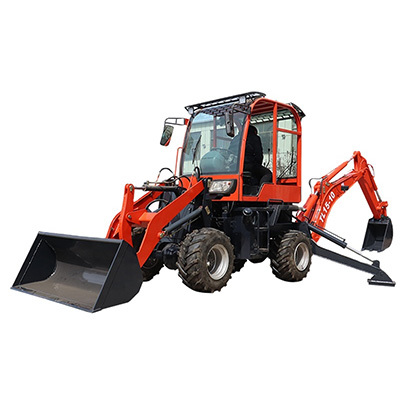
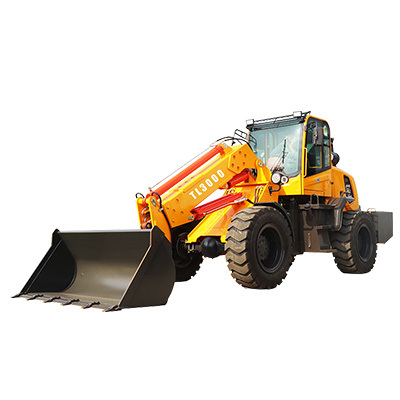




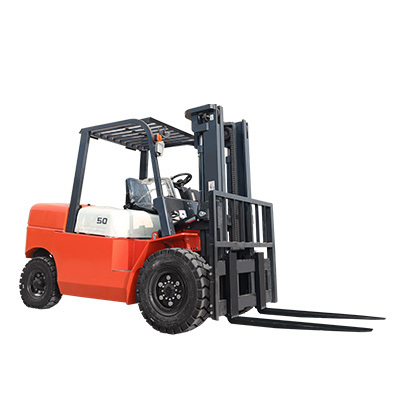

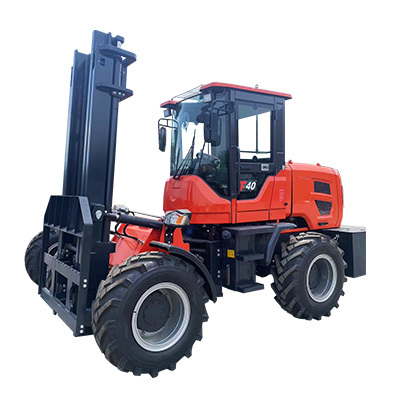
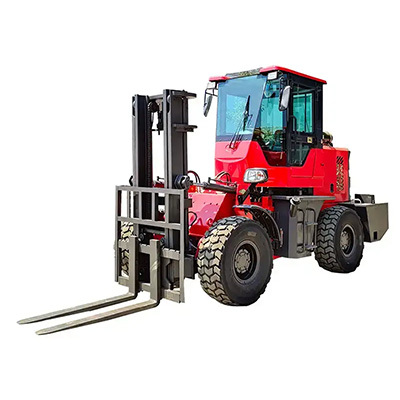


The Future of Transportation: Innovations in Piggyback Forklift Design
Release time:
2026-07-22
Summary
The Future of Transportation: Innovations in Piggyback Forklift Design
Table of Contents
1. Introduction to Piggyback Forklifts
2. Understanding Piggyback Forklift Design
3. Key Innovations in Piggyback Forklift Technology
3.1. Enhanced Load Capacity and Stability
3.2. Smart Technology Integration
3.3. Eco-Friendly Features
4. Benefits of Modern Piggyback Forklifts
5. The Role of Piggyback Forklif

The Future of Transportation: Innovations in Piggyback Forklift Design
Table of Contents
1. Introduction to Piggyback Forklifts
2. Understanding Piggyback Forklift Design
3. Key Innovations in Piggyback Forklift Technology
3.1. Enhanced Load Capacity and Stability
3.2. Smart Technology Integration
3.3. Eco-Friendly Features
4. Benefits of Modern Piggyback Forklifts
5. The Role of Piggyback Forklifts in Supply Chain Management
6. Future Trends in Piggyback Forklift Design
7. Case Studies: Successful Implementations
8. Frequently Asked Questions (FAQs)
9. Conclusion
1. Introduction to Piggyback Forklifts
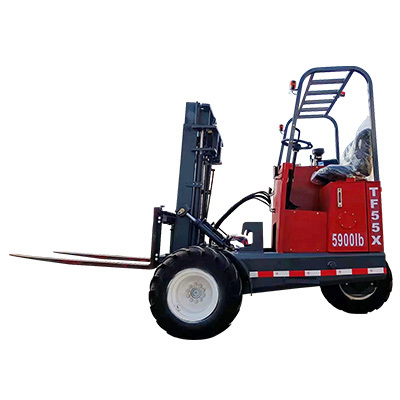
Piggyback forklifts represent a significant evolution in the world of transportation, particularly in the logistics and warehousing sectors. These specialized vehicles offer the versatility of a traditional forklift while incorporating advanced design features that allow them to be mounted onto trucks. This unique capability streamlines loading and unloading processes, making them invaluable in various industries.
As the global economy continues to expand, the demand for efficient transportation solutions has never been higher. Companies are increasingly seeking ways to optimize their supply chains, reduce operational costs, and improve delivery times. In this context, piggyback forklifts are emerging as a key player, fulfilling these needs while adopting innovative technologies.
2. Understanding Piggyback Forklift Design
Piggyback forklifts are designed to operate in conjunction with trucks or trailers, providing a seamless solution for transporting goods over short distances. Their compact design allows them to navigate tight spaces, making them ideal for urban environments and congested job sites.
Typically, these forklifts can lift loads ranging from 2,000 to 8,000 pounds, offering substantial power in a small package. The design incorporates features such as adjustable forks, stability support systems, and ergonomic controls, enhancing both efficiency and safety during operation.
3. Key Innovations in Piggyback Forklift Technology
The evolution of piggyback forklifts has been marked by several key innovations, which have significantly improved their function and usability.
3.1. Enhanced Load Capacity and Stability
Modern piggyback forklifts are engineered to handle heavier loads without compromising stability. Advanced materials and design techniques have led to increased strength in the chassis and lifting mechanisms. This enhancement allows operators to safely manage larger loads in a variety of environments, reducing the risk of accidents and improving productivity.
3.2. Smart Technology Integration
The integration of smart technology into piggyback forklifts has revolutionized their operation. Features such as GPS tracking, load monitoring systems, and real-time diagnostics provide operators with valuable data to enhance decision-making. These technologies not only improve operational efficiency but also contribute to predictive maintenance, thereby reducing downtime.
3.3. Eco-Friendly Features
As sustainability becomes a primary concern in the transportation industry, manufacturers are incorporating eco-friendly features into piggyback forklift designs. Advanced electric models are now available, providing a quieter and more environmentally friendly alternative to traditional combustion engines. These electric forklifts reduce emissions and lower operating costs, making them an attractive option for businesses striving to minimize their carbon footprint.
4. Benefits of Modern Piggyback Forklifts
The adoption of modern piggyback forklifts comes with numerous benefits that can greatly enhance operational efficiency.
1. **Cost Efficiency**: By streamlining the loading and unloading process, these forklifts reduce the time and labor required for transportation tasks. This translates into significant cost savings for businesses.
2. **Increased Safety**: Enhanced stability features and smart technology reduce the risk of accidents, ensuring a safer work environment for operators and other personnel.
3. **Adaptability**: Piggyback forklifts can easily transition between different job sites and applications, making them a versatile choice for various industries.
4. **Improved Delivery Times**: With faster loading and unloading capabilities, businesses can achieve quicker turnaround times, which is crucial in meeting customer demands.
5. The Role of Piggyback Forklifts in Supply Chain Management
In the realm of supply chain management, piggyback forklifts play a critical role in ensuring that goods move efficiently from one point to another. Their ability to quickly load and unload materials directly onto delivery trucks allows businesses to optimize their logistics processes.
Moreover, piggyback forklifts facilitate seamless integration with warehouse management systems, allowing for enhanced inventory tracking and management. This integration ensures that businesses can maintain accurate inventory levels and reduce the risk of stockouts, ultimately improving customer satisfaction.
6. Future Trends in Piggyback Forklift Design
As technological advancements continue to shape the transportation industry, several trends are expected to influence the future of piggyback forklift design:
1. **Automation**: The rise of automation in logistics will likely lead to the development of autonomous piggyback forklifts. These machines can operate without human intervention, further enhancing efficiency and safety.
2. **Enhanced Connectivity**: The Internet of Things (IoT) will enable piggyback forklifts to communicate with other devices and systems, leading to smarter operational strategies and improved data analytics.
3. **Advanced Ergonomics**: Manufacturers are focusing on designing forklifts that prioritize operator comfort and reduce fatigue. Ergonomic improvements will enhance productivity and reduce the physical strain on workers.
7. Case Studies: Successful Implementations
Several companies have successfully implemented piggyback forklifts into their operations, showcasing the benefits of these innovative machines.
1. **Company A**: A leading logistics provider integrated electric piggyback forklifts into their fleet, resulting in a 30% reduction in operational costs and a significant decrease in carbon emissions.
2. **Company B**: A manufacturing firm utilized smart technology features in their piggyback forklifts, leading to a 25% increase in delivery efficiency and a notable improvement in safety records.
These case studies illustrate the transformative impact that modern piggyback forklifts can have on a business's operations.
8. Frequently Asked Questions (FAQs)
What is a piggyback forklift?
A piggyback forklift is a specialized forklift that can be mounted onto a truck or trailer, allowing for efficient loading and unloading of goods during transportation.
How do piggyback forklifts enhance supply chain efficiency?
They streamline the loading and unloading process, reduce labor costs, and improve delivery times, thereby optimizing overall supply chain operations.
Are electric piggyback forklifts more efficient than traditional models?
Yes, electric piggyback forklifts typically have lower operating costs, reduced emissions, and quieter operation compared to traditional internal combustion models.
What safety features are found in modern piggyback forklifts?
Modern piggyback forklifts are equipped with enhanced stability systems, load monitoring technology, and ergonomic controls to ensure safe operation.
What trends are shaping the future of piggyback forklift design?
Key trends include automation, IoT connectivity, and advancements in ergonomic design to improve operator comfort and efficiency.
9. Conclusion
The future of transportation, particularly in the logistics and warehousing sectors, is undeniably linked to the innovations in piggyback forklift design. As businesses strive for greater efficiency, safety, and sustainability, the adoption of these advanced machines will only continue to grow. From enhanced load capacities to smart technology integration, modern piggyback forklifts are not just tools; they are essential components of a successful supply chain strategy. As we look ahead, the continued evolution of these vehicles promises not only to reshape the industry but also to set new standards in operational excellence.
More News
Can't find the product you need?
Get in touch today and learn more of the Strength and Diversity of the Titan product range.
CONTACT US
Phone number:
Email:
Address:
Wehai:No 190-1,Culture of west road,Shandong provenice
Qingzhou:
Shanghai:


