

















Understanding the Different Types of Compact Construction Equipment: A Comprehensive Guide
Release time:
2026-07-08
Summary
Understanding the Different Types of Compact Construction Equipment
Table of Contents
Introduction to Compact Construction Equipment
Benefits of Using Compact Construction Equipment
Types of Compact Construction Equipment
Mini Excavators
Skid Steer Loaders
Compact Track Loaders
Backhoe Loaders
Compact Wheel Loaders

Understanding the Different Types of Compact Construction Equipment
Table of Contents
- Introduction to Compact Construction Equipment
- Benefits of Using Compact Construction Equipment
- Types of Compact Construction Equipment
- Mini Excavators
- Skid Steer Loaders
- Compact Track Loaders
- Backhoe Loaders
- Compact Wheel Loaders
- Utility Vehicles
- Applications of Compact Construction Equipment
- How to Choose the Right Compact Equipment
- Maintenance Tips for Compact Construction Equipment
- The Future of Compact Construction Equipment
- Frequently Asked Questions
- Conclusion
Introduction to Compact Construction Equipment
In today’s fast-paced construction industry, efficiency and versatility are paramount. **Compact construction equipment** is designed to meet these demands, offering a range of machines that are both powerful and manageable. These machines are ideal for projects in confined spaces, making them indispensable for urban construction, landscaping, and maintenance work.
As construction sites continue to evolve, the need for equipment that can perform multiple tasks in tight areas becomes increasingly critical. This guide will delve into the different types of compact construction equipment available, their benefits, applications, and how to select the right machines for your needs.
Benefits of Using Compact Construction Equipment
Utilizing compact construction equipment comes with numerous advantages:
- **Efficiency**: These machines are designed to perform a variety of tasks efficiently, reducing the time required to complete projects.
- **Versatility**: Compact equipment can be used in various applications, from digging and lifting to grading and transporting materials.
- **Cost-Effective**: Smaller machines often come at a lower purchase or rental price while consuming less fuel, leading to lower operating costs.
- **Accessibility**: Their compact size allows them to access hard-to-reach areas, enhancing operational flexibility.
- **Ease of Use**: Most compact equipment is user-friendly, requiring less training for operators, which can save time and money.
Types of Compact Construction Equipment
Understanding the various types of compact construction equipment is essential for selecting the right tools for your projects. Below, we explore the most common types of compact machinery used in construction.
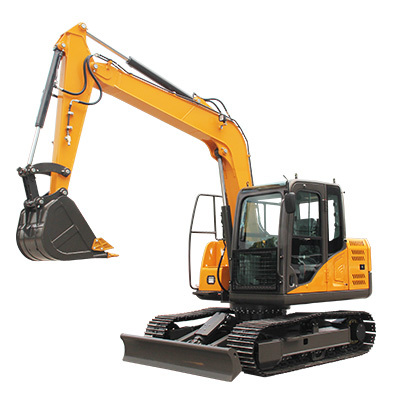
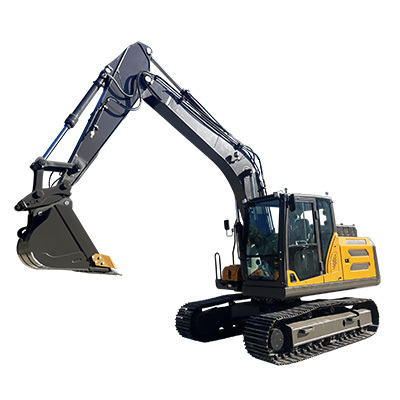
Mini Excavators
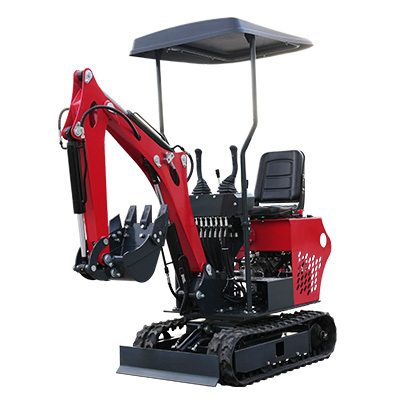
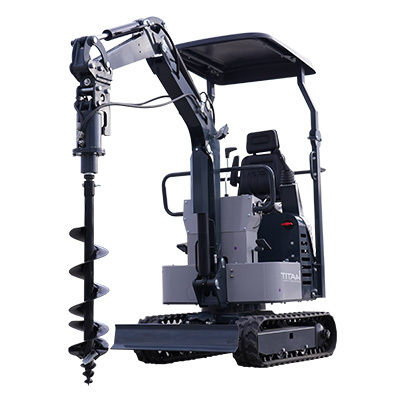
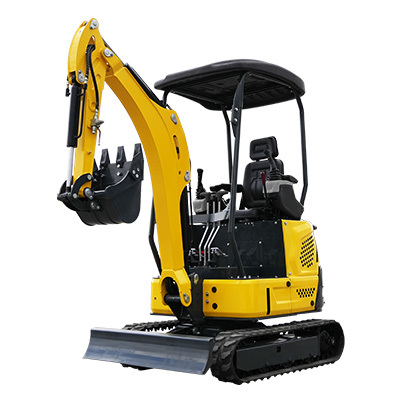
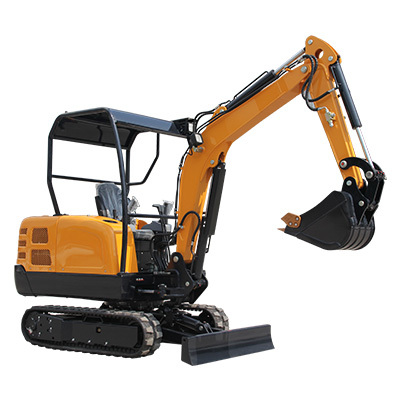
Mini excavators are compact, powerful machines ideal for digging and landscaping tasks. Their small size allows them to work effectively in narrow spaces. Key features include:
- **Versatility**: They can be equipped with different attachments such as buckets, grapples, and augers.
- **Hydraulic Systems**: These machines come with advanced hydraulic systems for powerful digging and lifting capabilities.
- **Operator Comfort**: Many mini excavators are designed with spacious cabs, enhancing operator comfort during long hours on the job.
Skid Steer Loaders
Skid steer loaders are compact, maneuverable machines ideal for a variety of tasks. They feature a rigid frame and lift arms that can accommodate numerous attachments. Notable attributes include:
- **Compact Design**: Their small footprint allows them to navigate tight spaces and corners easily.
- **Multi-Functionality**: With various attachments, they can perform tasks such as grading, excavating, and material handling.
- **Excellent Visibility**: Operators benefit from high visibility, providing better control and safety on the job site.
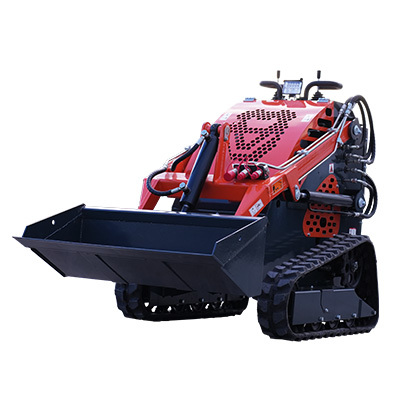
Compact Track Loaders
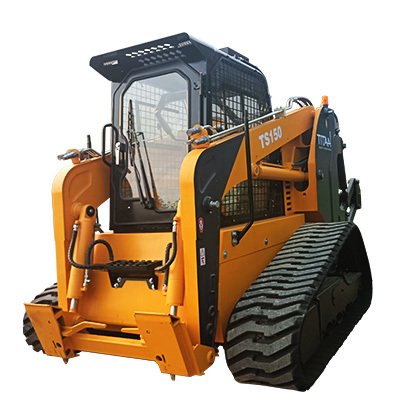
Compact track loaders offer similar functionality to skid steers but with tracks instead of wheels. This design provides better traction and stability on soft or uneven ground. Key characteristics include:
- **Enhanced Stability**: Tracks distribute the machine's weight evenly, preventing sinking in soft soils.
- **Improved Traction**: They excel in various terrains, making them suitable for landscaping, earthmoving, and demolition projects.
- **Versatile Attachments**: Like skid steers, they can utilize various attachments for different tasks.
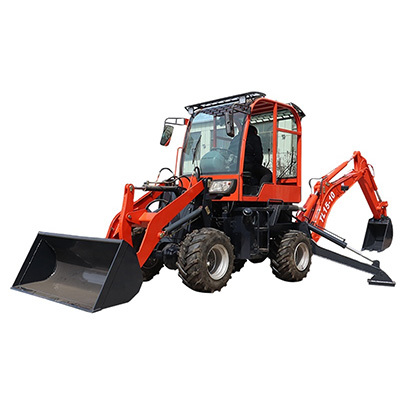
Backhoe Loaders
Backhoe loaders are versatile machines combining a loader and a backhoe on a single chassis. This dual functionality makes them ideal for a wide range of applications. Key features include:
- **Dual Functionality**: They can dig and load materials, allowing for efficient operation on construction sites.
- **Compact Size**: Their smaller size compared to traditional tractors makes them suitable for residential jobs and smaller projects.
- **Variety of Attachments**: Backhoe loaders can be equipped with different attachments for enhanced functionality.
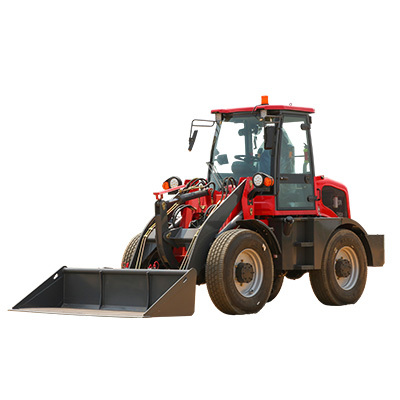
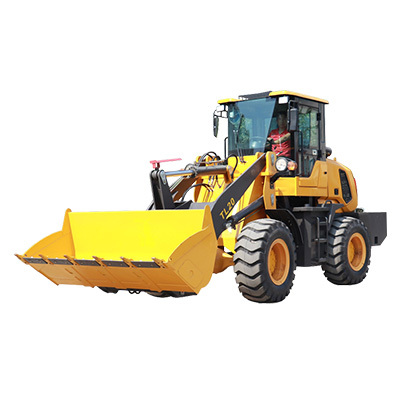
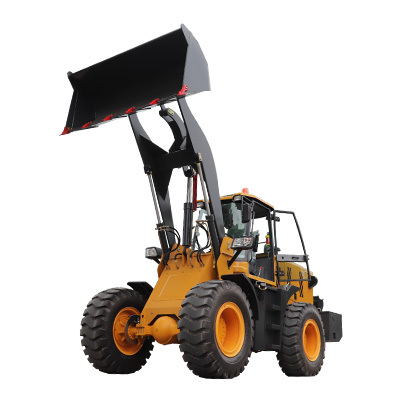
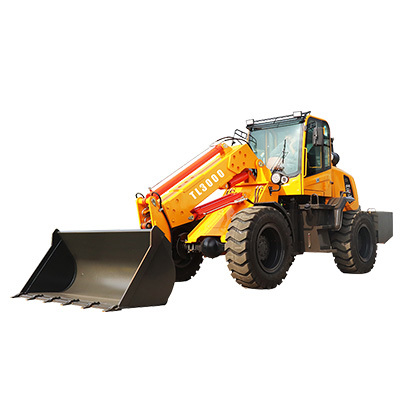
Compact Wheel Loaders
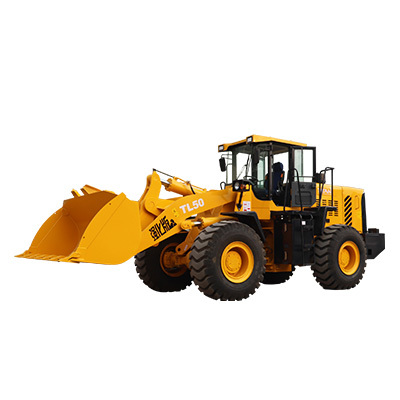
Compact wheel loaders are designed for light to medium-duty applications, offering excellent maneuverability and versatility. Important attributes include:
- **Maneuverability**: Their compact size allows them to navigate tight spaces and work efficiently in confined areas.
- **Operator Comfort**: Many models feature spacious cabs and ergonomic controls for operator comfort.
- **Attachments**: They can be fitted with various attachments, allowing them to perform multiple functions.
Utility Vehicles
Utility vehicles are specialized compact machines designed for transporting materials and personnel on job sites. They are invaluable for site management and logistics. Key aspects include:
- **Transport Capability**: These vehicles can carry heavy loads across construction sites, enhancing productivity.
- **Versatility**: Utility vehicles can be equipped with attachments such as dump beds and tool racks for increased functionality.
- **Durability**: Built to withstand tough conditions, they are ideal for various job site applications.
Applications of Compact Construction Equipment
Compact construction equipment is utilized across various sectors, including:
- **Residential Construction**: Ideal for landscaping, digging foundations, and hauling materials.
- **Commercial Construction**: Effective in site preparation, grading, and utility installation.
- **Road Maintenance**: Used for repairing roads, digging trenches, and grading surfaces.
- **Agricultural Projects**: Essential for tasks such as land clearing, planting, and harvesting.
- **Municipal Work**: Helpful in park maintenance, sidewalk repairs, and infrastructure development.
How to Choose the Right Compact Equipment
Selecting the right compact construction equipment involves several considerations:
- **Project Requirements**: Assess the specific tasks your project demands and choose equipment that can handle those needs.
- **Terrain**: Consider the type of terrain you'll be working on and select machines that can navigate those conditions effectively.
- **Size and Weight**: Evaluate the space available on your job site and ensure the equipment fits comfortably without compromising functionality.
- **Budget**: Establish a budget for purchasing or renting equipment, factoring in operational costs such as fuel and maintenance.
Maintenance Tips for Compact Construction Equipment
Proper maintenance is crucial for maximizing the lifespan and performance of compact construction equipment. Here are essential tips:
- **Regular Inspections**: Conduct routine checks on hydraulic systems, tracks, and tires to identify wear or damage.
- **Fluid Checks**: Regularly monitor fluids, including engine oil, coolant, and hydraulic fluid, to ensure optimal performance.
- **Cleaning**: Keep equipment clean to prevent the buildup of dirt and debris, which can cause mechanical issues.
- **Follow Manufacturer Guidelines**: Adhere to the manufacturer's maintenance schedule and recommendations for repairs.
- **Train Operators**: Ensure that operators are trained in proper equipment use and maintenance practices to prevent damage.
The Future of Compact Construction Equipment
As technology continues to evolve, the future of compact construction equipment looks promising. Innovations such as electric and hybrid models are gaining traction, offering eco-friendly alternatives. Additionally, advancements in automation and telematics are enhancing operational efficiency and safety. These developments not only improve machine performance but also contribute to sustainability in the construction industry.
Frequently Asked Questions
1. What is compact construction equipment?
Compact construction equipment refers to smaller, versatile machines designed for various tasks in construction and landscaping, particularly in tight spaces.
2. What are the benefits of using compact equipment?
Benefits include increased efficiency, versatility, cost-effectiveness, accessibility to hard-to-reach areas, and ease of use.
3. How do I choose the right compact construction equipment?
Consider project requirements, terrain, size, weight, and budget when selecting equipment.
4. What types of attachments can compact equipment use?
Attachments vary depending on the machine, but common options include buckets, forks, grapples, and augers.
5. How do I maintain compact construction equipment?
Regular inspections, fluid checks, cleaning, following manufacturer guidelines, and training operators are essential for maintenance.
Conclusion
Compact construction equipment plays a vital role in modern construction, offering versatility, efficiency, and cost-effectiveness. Understanding the different types of compact machines and their applications can help contractors and project managers make informed decisions that enhance productivity. As the industry continues to evolve, staying current with equipment advancements will be crucial for success. By choosing the right compact equipment and maintaining it properly, you can ensure your projects are completed on time and within budget. Enhance your operational capabilities today by exploring the diverse range of compact construction equipment available.
More News
Can't find the product you need?
Get in touch today and learn more of the Strength and Diversity of the Titan product range.
CONTACT US
Phone number:
Email:
Address:
Wehai:No 190-1,Culture of west road,Shandong provenice
Qingzhou:
Shanghai:


