

















Handling Equipment: Essential Tools for Enhancing Productivity in the Transport Sector
Release time:
2026-05-12
Summary

Handling Equipment: Essential Tools for Enhancing Productivity in the Transport Sector
In today's fast-paced world, the transport sector is under constant pressure to improve efficiency, reduce costs, and enhance service quality. One of the most effective ways to achieve these goals is through the utilization of advanced handling equipment. This article delves into how handling equipment can significantly boost productivity in the transport sector, examining various types of equipment, their applications, and best practices for implementation.
Table of Contents
- Introduction to Handling Equipment
- Types of Handling Equipment in the Transport Sector
- Benefits of Using Handling Equipment
- Impact of Handling Equipment on Overall Productivity
- Best Practices for Implementing Handling Equipment
- Case Studies: Successful Implementation of Handling Equipment
- Future Trends in Handling Equipment
- Frequently Asked Questions (FAQs)
- Conclusion
Introduction to Handling Equipment
Handling equipment encompasses a wide range of tools and machinery designed to facilitate the movement and storage of goods. In the transport sector, the efficiency of these operations can make or break a business. The right handling equipment not only enhances the speed of operations but also minimizes the risk of accidents and damage to goods. As logistics continuously evolve, investing in modern handling equipment becomes crucial for staying competitive.
Types of Handling Equipment in the Transport Sector
1. Forklifts
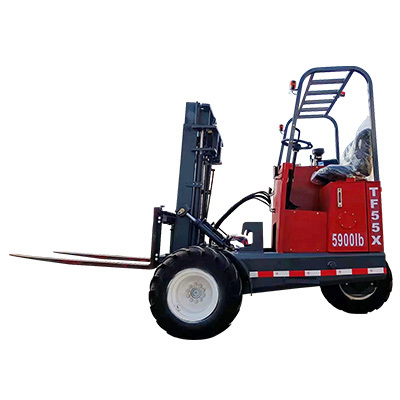
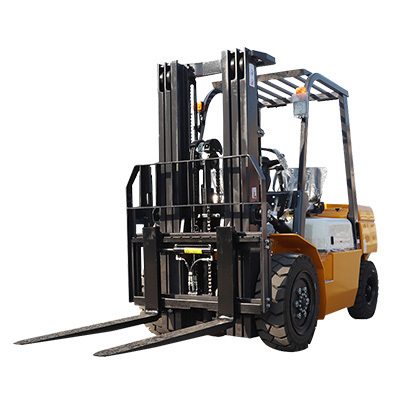
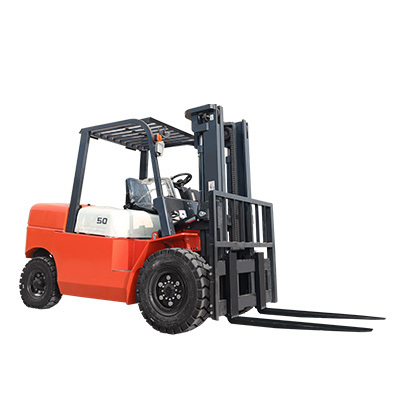
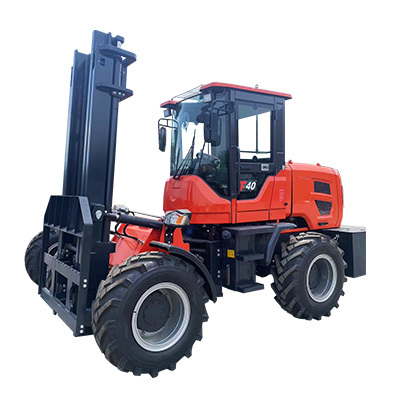
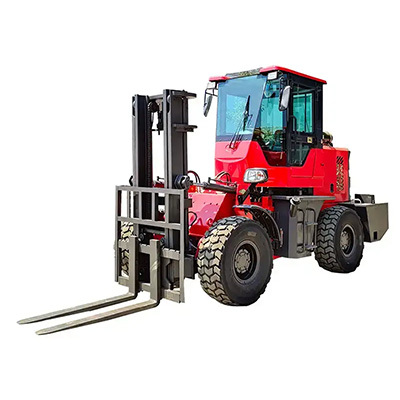
Forklifts are perhaps the most recognizable type of handling equipment used in warehouses and transport operations. These vehicles are designed to lift and move heavy loads, making them indispensable for loading and unloading goods.
2. Pallet Jacks
Pallet jacks are manual or electric devices that are used to lift and transport pallets. They are ideal for moving goods over short distances and are commonly found in warehouses and retail settings.
3. Conveyor Systems
Conveyor systems automate the movement of goods, allowing for quick and efficient transportation within facilities. They reduce the need for manual handling and can be customized to fit various operational needs.
4. Cranes
Cranes are used for lifting heavy and bulky items. They are essential in transport operations where goods need to be moved vertically or across large distances.
5. Automated Guided Vehicles (AGVs)
AGVs are innovative handling solutions that navigate through facilities autonomously. These vehicles can transport goods without human intervention, enhancing safety and operational efficiency.
Benefits of Using Handling Equipment
1. Increased Efficiency
Handling equipment significantly speeds up the movement of goods, allowing for quicker turnaround times and higher throughput. By automating operations, businesses can reduce labor costs and minimize delays.
2. Enhanced Safety
The use of handling equipment reduces the physical strain on workers, lowering the risk of injuries related to manual handling. Equipment such as forklifts and pallet jacks are designed with safety features that protect both operators and goods.
3. Improved Inventory Management
Advanced handling equipment can be integrated with inventory management systems, providing real-time data on stock levels and locations. This integration helps streamline operations and improve accuracy in inventory management.
4. Versatility
Many types of handling equipment can be used in various applications, making them adaptable to changing operational requirements. This versatility allows businesses to respond quickly to market demands.
Impact of Handling Equipment on Overall Productivity
The impact of handling equipment on productivity cannot be overstated. By streamlining operations and reducing the time required for tasks, handling equipment directly contributes to improved output. Businesses can handle larger volumes of goods with the same workforce, making it possible to scale operations without incurring significant additional costs.
Furthermore, as handling equipment becomes more advanced, integrating technologies like IoT and AI can lead to even greater productivity gains through predictive maintenance and data analysis. By addressing potential issues before they become significant problems, businesses can maintain smooth operations.
Best Practices for Implementing Handling Equipment
1. Evaluate Operational Needs
Before investing in handling equipment, it’s essential to conduct a thorough assessment of operational needs. Understanding the specific requirements of your transport operations will guide you in selecting the most suitable equipment.
2. Invest in Training
Proper training for operators is crucial to ensure safe and efficient use of handling equipment. Regular training sessions should be conducted to keep staff up-to-date on best practices and safety protocols.
3. Regular Maintenance
To maximize the lifespan of handling equipment, regular maintenance is essential. Implementing a scheduled maintenance program can prevent breakdowns and ensure equipment operates at peak efficiency.
4. Monitor Performance
Using KPIs (Key Performance Indicators) to monitor the performance of handling equipment can help identify areas for improvement. Regular analysis of operational data allows businesses to make informed decisions about equipment upgrades and adjustments.
Case Studies: Successful Implementation of Handling Equipment
1. Case Study: XYZ Logistics
XYZ Logistics implemented automated guided vehicles (AGVs) in their warehouse operations, resulting in a 30% increase in efficiency. The AGVs reduced the time taken to transport goods within the facility, allowing for quicker order fulfillment.
2. Case Study: ABC Freight
ABC Freight upgraded their forklifts to electric models, which not only reduced their carbon footprint but also improved the safety of their operations. The new forklifts featured advanced safety technology, leading to a 50% reduction in workplace accidents.
Future Trends in Handling Equipment
The future of handling equipment is likely to be shaped by advancements in technology. Innovations such as robotics, AI, and machine learning will enable even more efficient operations. As autonomous systems become more prevalent, businesses will continue to see significant productivity improvements.
Moreover, sustainability will play a crucial role in future developments. Equipment manufacturers are increasingly focusing on creating energy-efficient solutions that minimize environmental impact while maximizing performance.
Frequently Asked Questions (FAQs)
1. What types of handling equipment are most common in the transport sector?
Common types of handling equipment in the transport sector include forklifts, pallet jacks, conveyor systems, cranes, and automated guided vehicles (AGVs).
2. How does handling equipment improve workplace safety?
Handling equipment reduces the need for manual lifting and moving of heavy items, thereby lowering the risk of injuries. They also come with safety features to protect both operators and goods.
3. Can handling equipment be integrated with inventory management systems?
Yes, many handling equipment types can be integrated with inventory management systems, enabling real-time tracking and improved accuracy in inventory management.
4. What are the benefits of using automated guided vehicles (AGVs)?
AGVs enhance efficiency by automating the transportation of goods, reducing labor costs, and minimizing human errors. They can operate 24/7 without breaks, significantly increasing throughput.
5. How can businesses maximize the lifespan of their handling equipment?
Regular maintenance, operator training, and performance monitoring are key to maximizing the lifespan of handling equipment. Implementing a structured maintenance schedule can prevent costly breakdowns.
Conclusion
In conclusion, handling equipment plays a vital role in boosting productivity within the transport sector. By investing in the right tools and technologies, businesses can streamline their operations, enhance safety, and improve overall efficiency. As the industry continues to evolve, staying ahead of technological advancements will be key to maintaining a competitive edge in the marketplace. Emphasizing best practices in equipment implementation and training will ensure that organizations can fully leverage the benefits of handling equipment for sustained growth and success.
More News
Can't find the product you need?
Get in touch today and learn more of the Strength and Diversity of the Titan product range.
CONTACT US
Phone number:
Email:
Address:
Wehai:No 190-1,Culture of west road,Shandong provenice
Qingzhou:
Shanghai:


