

















Enhancing Safety Standards Through Dependable Handling Equipment in Transportation and Warehousing
Release time:
2026-03-31
Summary
Enhancing Safety Standards Through Dependable Handling Equipment in Transportation and Warehousing
Table of Contents
Introduction
The Importance of Safety in Transportation and Warehousing
Understanding Handling Equipment
Types of Handling Equipment
Manual Handling Equipment
Mechanical Handling Equipment
Benefits of Reliable Handl

Enhancing Safety Standards Through Dependable Handling Equipment in Transportation and Warehousing
Table of Contents
- Introduction
- The Importance of Safety in Transportation and Warehousing
- Understanding Handling Equipment
- Types of Handling Equipment
- Benefits of Reliable Handling Equipment
- Best Practices for Improving Safety Standards
- Regulatory Compliance in Handling Equipment
- Emerging Technologies in Handling Equipment
- Conclusion
- FAQs
Introduction
In the realm of transportation and warehousing, ensuring safety is not just a regulatory requirement; it's a fundamental aspect of operational excellence. As we navigate through a landscape that increasingly prioritizes efficiency, the role of reliable handling equipment becomes more critical. By investing in these tools, businesses can significantly reduce the risk of accidents, injuries, and even fatalities, while enhancing productivity and operational workflow.
The Importance of Safety in Transportation and Warehousing
Safety in transportation and warehousing is essential for multiple reasons. Firstly, it protects the workforce; ensuring employees work in a safe environment fosters loyalty and reduces turnover. Secondly, it mitigates financial risks associated with workplace injuries, such as compensation claims and lost productivity. Thirdly, a strong safety record enhances a company’s reputation, making it more attractive to clients and partners.
Furthermore, as industries evolve, the need for stringent safety protocols becomes more pronounced. With new technologies and processes, we are constantly challenged to improve safety standards. This commitment to safety not only complies with legal obligations but also reflects a company's core values and commitment to its workforce.
Understanding Handling Equipment
Handling equipment encompasses a wide range of devices designed to facilitate the movement, storage, and control of materials throughout the supply chain. This equipment plays a crucial role in various processes, from loading and unloading goods to efficiently managing warehouse operations. Understanding the different types and their respective functions is vital for enhancing safety standards.
Types of Handling Equipment
When discussing handling equipment, it is essential to categorize it into two primary types: manual and mechanical handling equipment.
Manual Handling Equipment
Manual handling equipment includes tools that require human effort to operate. Examples include hand trucks, pallet jacks, and dollies. While they are often cost-effective and simple to use, improper handling can lead to injuries. Therefore, proper training and ergonomic practices are critical for their safe use.
Mechanical Handling Equipment
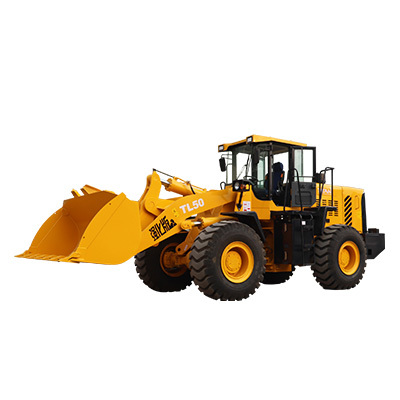
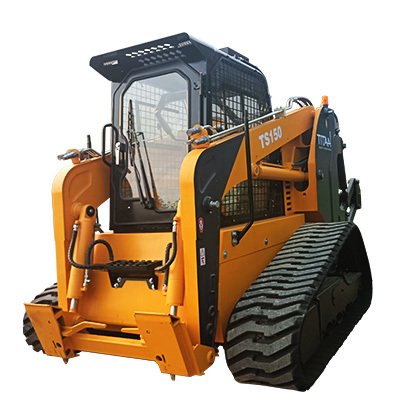
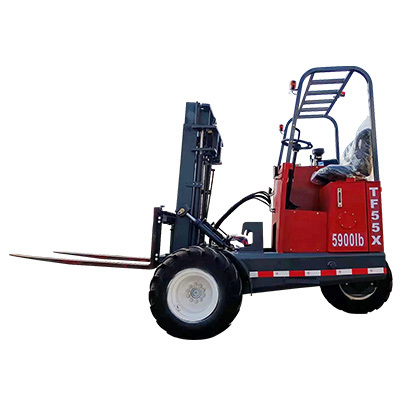
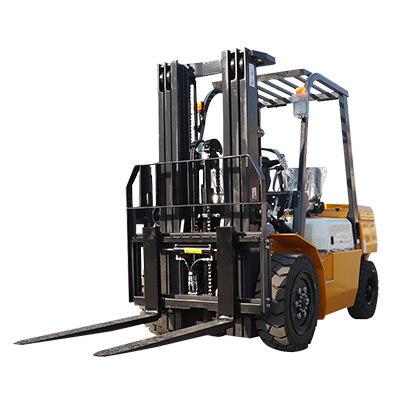
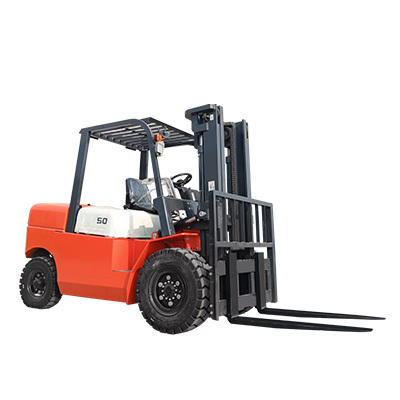
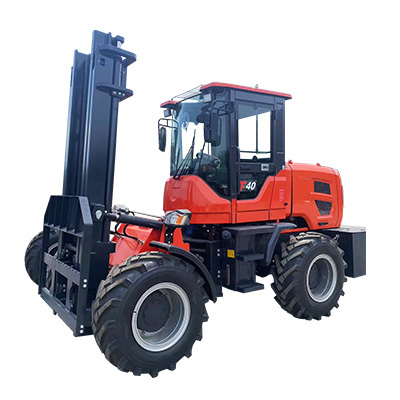
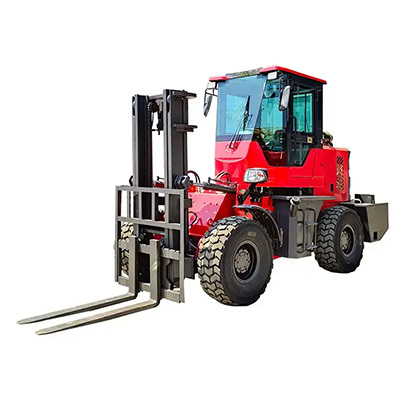
Mechanical handling equipment refers to devices that automate or assist in the movement of materials. This category includes forklifts, conveyor belts, and automated guided vehicles (AGVs). These machines significantly reduce the physical strain on workers and minimize the chances of accidents if operated correctly. Their implementation requires thorough training and adherence to safety protocols to maximize their benefits.
Benefits of Reliable Handling Equipment
Investing in reliable handling equipment offers numerous benefits that extend beyond mere compliance with safety regulations.
1. **Increased Efficiency:** Reliable equipment streamlines operations, allowing for quicker loading and unloading, which reduces downtime.
2. **Enhanced Safety:** Properly functioning equipment minimizes the risk of accidents, ensuring a safer work environment for employees.
3. **Cost Savings:** Reducing workplace injuries and accidents lead to lower insurance premiums and compensation costs, translating into significant financial savings.
4. **Improved Employee Morale:** Providing high-quality equipment and a safe working environment boosts employee morale, leading to higher productivity and retention rates.
5. **Regulatory Compliance:** Reliable equipment helps organizations meet safety regulations and standards, avoiding costly fines and legal challenges.
Best Practices for Improving Safety Standards
To truly enhance safety standards in transportation and warehousing, companies must implement best practices that promote a culture of safety. Here are several strategies:
1. **Regular Training:** Providing continuous training for employees on the proper use of handling equipment ensures they are aware of safety protocols and can operate machinery safely.
2. **Routine Inspections:** Regularly inspecting handling equipment helps identify potential issues before they lead to accidents. Maintenance schedules should be strictly adhered to.
3. **Develop a Safety Culture:** Encourage open communication about safety concerns among employees and establish a system for reporting hazards or suggesting improvements.
4. **Utilize Technology:** Implementing software solutions for inventory management and equipment monitoring can help streamline operations and ensure safety compliance.
5. **Emergency Preparedness:** Equip employees with training on emergency procedures and ensure that safety equipment is readily accessible in case of an incident.
Regulatory Compliance in Handling Equipment
Understanding and adhering to regulatory compliance is crucial for any transportation or warehousing operation. Organizations must stay informed about local, national, and international safety regulations governing handling equipment. This includes understanding occupational safety standards set by organizations such as OSHA in the United States or similar bodies elsewhere.
Compliance not only protects the workforce but also safeguards the organization's reputation. Non-compliance can lead to heavy fines, legal consequences, and damage to a company's image.
Emerging Technologies in Handling Equipment
As technology continues to evolve, new innovations are emerging in the field of handling equipment. Notable developments include:
1. **Robotic Process Automation (RPA):** Robots are increasingly being used for tasks such as palletizing and sorting, which can drastically reduce physical strain on employees.
2. **Internet of Things (IoT):** IoT can enhance equipment monitoring, providing real-time data on machinery health and usage patterns, allowing for proactive maintenance.
3. **Wearable Technology:** Devices that monitor worker movements and fatigue can provide critical insights, helping to reduce accidents related to overexertion.
4. **Augmented Reality (AR):** AR can assist in training workers on the proper use of handling equipment, providing interactive simulations to enhance learning.
5. **Electric and Hybrid Handling Equipment:** These new technologies not only reduce carbon footprints but often have advanced safety features that enhance operations.
Conclusion
Investing in reliable handling equipment is a critical step toward improving safety standards in transportation and warehousing. By understanding the types of equipment, the benefits of investing in quality tools, and the best practices for maintaining a safe work environment, organizations can significantly reduce the risks associated with material handling.
Embracing emerging technologies further enhances these efforts, ensuring that businesses not only comply with safety regulations but also foster a culture of safety and efficiency. By prioritizing safety through reliable handling equipment, organizations can protect their workforce, improve operational efficiency, and ultimately achieve greater success in their industry.
FAQs
1. What is the most important factor in handling equipment safety?
The most important factor in handling equipment safety is proper training for employees on how to use the equipment safely and effectively.
2. How can I ensure that my handling equipment is compliant with safety regulations?
Regular inspections, maintenance, and keeping up-to-date with local regulations are key to ensuring compliance.
3. What types of training should be provided for handling equipment operators?
Training should cover equipment operation, safety protocols, emergency procedures, and ergonomic practices.
4. Are there specific safety standards for mechanical handling equipment?
Yes, there are various safety standards and regulations that apply, such as OSHA regulations in the U.S. and similar standards worldwide.
5. How can technology improve safety in handling operations?
Technology can enhance safety through real-time monitoring, predictive maintenance, and automated processes that reduce human error and physical strain.
More News
Can't find the product you need?
Get in touch today and learn more of the Strength and Diversity of the Titan product range.
CONTACT US
Phone number:
Email:
Address:
Wehai:No 190-1,Culture of west road,Shandong provenice
Qingzhou:
Shanghai:


