

















Essential Maintenance Tips for Your Piggyback Forklift: Maximize Performance and Longevity
Release time:
2026-03-17
Summary
Essential Maintenance Tips for Your Piggyback Forklift
Table of Contents
Introduction to Piggyback Forklifts
The Importance of Regular Maintenance for Piggyback Forklifts
Routine Inspections: What to Check
Maintaining Fluid Levels: Fuel, Oil, and Hydraulic Fluids
Tire Care and Maintenance: Ensuring Safety and Performance
Battery Maintenance Tips for Optimal Operation
Cleaning Your Piggyback Forkl

Essential Maintenance Tips for Your Piggyback Forklift
Table of Contents
- Introduction to Piggyback Forklifts
- The Importance of Regular Maintenance for Piggyback Forklifts
- Routine Inspections: What to Check
- Maintaining Fluid Levels: Fuel, Oil, and Hydraulic Fluids
- Tire Care and Maintenance: Ensuring Safety and Performance
- Battery Maintenance Tips for Optimal Operation
- Cleaning Your Piggyback Forklift: A Step-by-Step Guide
- Common Repairs and When to Call a Professional
- Conclusion
- Frequently Asked Questions
Introduction to Piggyback Forklifts
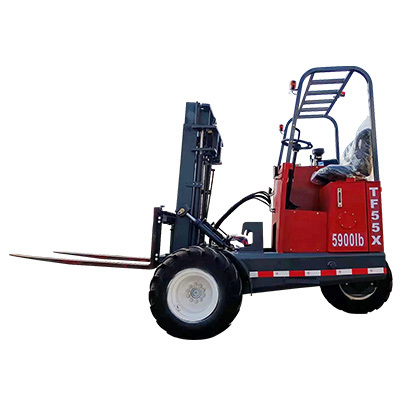
Piggyback forklifts are specialized vehicles designed to transport cargo efficiently. They are often used in various industries, including logistics and warehousing, due to their ability to carry heavy loads and navigate tight spaces. Proper maintenance is crucial not only for ensuring smooth operations but also for maximizing the lifespan of the equipment. In this article, we will explore essential maintenance tips that will keep your piggyback forklift running at peak performance.
The Importance of Regular Maintenance for Piggyback Forklifts
Regular maintenance of your piggyback forklift is vital for several reasons:
1. **Safety**: A well-maintained forklift minimizes the risk of accidents and injuries.
2. **Operational Efficiency**: Regular checks ensure that your equipment operates smoothly, reducing downtime.
3. **Cost-Effectiveness**: Preventative maintenance can save money in the long run by avoiding costly repairs.
4. **Compliance**: Keeping up with maintenance is often a legal requirement, ensuring that your equipment meets industry standards.
By prioritizing maintenance, you ensure that your piggyback forklift is always ready to perform optimally.
Routine Inspections: What to Check
Performing routine inspections is a critical element of forklift maintenance. Here’s a checklist of components to examine:
Visual Inspection
- **Look for Leaks**: Check for any signs of fluid leaks around the engine, hydraulic system, and transmission.
- **Inspect the Chassis**: Ensure that the frame is free from cracks and damage.
Operational Checks
- **Test Functionalities**: Operate the forklift to check for unusual noises or vibrations.
- **Check Emergency Equipment**: Ensure that horn, lights, and safety alarms are functioning correctly.
Fork Inspection
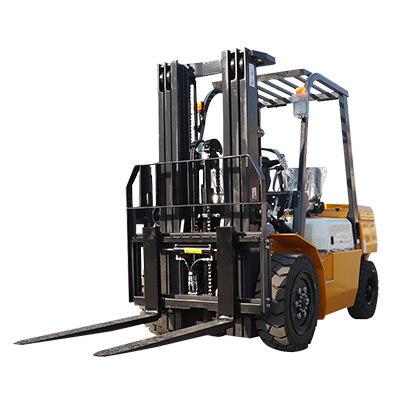
- **Examine Forks**: Look for signs of wear or bending. Forks should be straight and free from cracks.
- **Fork Adjustment**: Make sure forks are the right height and properly aligned.
By conducting thorough routine inspections, you can identify potential issues before they escalate into major problems.
Maintaining Fluid Levels: Fuel, Oil, and Hydraulic Fluids
Maintaining appropriate fluid levels is crucial for the functionality of your piggyback forklift.
Fuel Checks
- **Regular Refueling**: Ensure that the fuel tank is filled appropriately to avoid running out during operation.
- **Fuel Quality**: Use high-quality fuel to prevent engine damage.
Engine Oil
- **Oil Level Checks**: Check the oil level regularly to ensure it is within the recommended range.
- **Oil Changes**: Change the oil according to the manufacturer's recommendations to maintain engine health.
Hydraulic Fluids
- **Hydraulic Fluid Levels**: Check hydraulic fluid levels daily to ensure the system operates effectively.
- **Fluid Quality**: Change hydraulic fluids periodically to prevent system failures.
By closely monitoring and maintaining these fluids, you ensure the smooth operation of your forklift.
Tire Care and Maintenance: Ensuring Safety and Performance
Proper tire maintenance is essential for safety and performance. Here are some steps to ensure your piggyback forklift tires stay in optimal condition:
Tire Pressure
- **Regular Checks**: Monitor tire pressure at least once a week. Underinflated tires can lead to increased wear and tear.
- **Correct Pressure**: Always maintain the recommended tire pressure as per manufacturer guidelines.
Tread Inspection
- **Tread Depth**: Inspect tread depth regularly. Worn-out tires can affect traction and stability.
- **Damage Check**: Look for cuts, punctures, or other damages that may compromise tire integrity.
Rotation and Alignment
- **Regular Rotation**: Rotate tires according to manufacturer recommendations to ensure even wear.
- **Alignment Checks**: Ensure that the tires are properly aligned to enhance handling and extend tire life.
By adhering to these tire care tips, you can significantly enhance the safety and performance of your piggyback forklift.
Battery Maintenance Tips for Optimal Operation
The battery is one of the most critical components of electric piggyback forklifts. Proper maintenance can extend battery life and improve performance.
Daily Checks
- **Inspect Connections**: Ensure all battery connections are tight and free from corrosion.
- **Fluid Levels**: Check electrolyte levels if applicable, and top up with distilled water when needed.
Charging Best Practices
- **Avoid Deep Discharges**: Try not to let the battery discharge completely. Charge it as soon as possible after use.
- **Use Appropriate Chargers**: Always use chargers recommended by the manufacturer to avoid damage.
Cleaning and Maintenance
- **Regular Cleaning**: Keep the battery and its terminals clean to ensure proper function.
- **Inspect for Damage**: Regularly check for any signs of physical damage or wear.
By consistently maintaining the battery, you ensure that your piggyback forklift remains functional and efficient.
Cleaning Your Piggyback Forklift: A Step-by-Step Guide
A clean forklift not only looks professional but also performs better. Here’s how to keep your piggyback forklift clean:
Preparation
- **Gather Supplies**: You’ll need a mild detergent, water, brushes, and a pressure washer if available.
- **Safety First**: Ensure the forklift is turned off and cooled down before cleaning.
Exterior Cleaning
- **Wash the Frame**: Use a brush and detergent to clean the frame and remove dirt or debris.
- **Clean the Tires**: Brush off dirt and inspect for any signs of damage.
Interior Cleaning
- **Cabin Maintenance**: Clean the interior, including the dashboard and controls, to ensure a safe workspace.
- **Remove Debris**: Clear out any debris that may have accumulated in compartments.
Common Repairs and When to Call a Professional
Understanding common repairs can help you identify issues early and decide when to seek professional help.
Frequent Issues
- **Hydraulic Problems**: If you notice a drop in lifting capacity, it may indicate hydraulic issues, which often require expert attention.
- **Electrical Failures**: Flickering lights or non-responsive controls can signal electrical problems that should be handled by a professional.
When to Call a Technician
- **Complex Repairs**: If the issue involves the engine or hydraulic system, it's best to call a technician.
- **Lack of Expertise**: If you’re unsure about diagnosing or fixing an issue, professional help can save you time and prevent further damage.
By knowing the common repairs and understanding when to call for professional assistance, you can keep your piggyback forklift in optimal condition.
Conclusion
Regular maintenance of your piggyback forklift is crucial for ensuring safety, efficiency, and longevity. By following the essential tips outlined in this article, you can maximize the performance of your equipment while minimizing downtime and repair costs. Remember that a well-maintained forklift not only enhances productivity but also contributes to a safer work environment.
Frequently Asked Questions
1. How often should I perform maintenance on my piggyback forklift?
We recommend conducting daily inspections and routine maintenance checks every month. Comprehensive service should be done according to the manufacturer's guidelines.
2. What should I do if I notice a fluid leak?
Immediately stop using the forklift and identify the source of the leak. If it’s not something you can fix, consult a professional technician.
3. How can I extend the lifespan of my forklift's battery?
Regularly maintain the battery by ensuring proper charging practices, checking connections, and keeping it clean.
4. Is it necessary to clean my forklift regularly?
Yes, regular cleaning helps maintain performance and can prevent rust and corrosion.
5. What are signs that my forklift needs professional maintenance?
Indicators include unusual noises, decreased lifting capacity, warning lights, or any other irregularities during operation.
By implementing these maintenance tips and understanding the importance of regular care, you ensure that your piggyback forklift remains a reliable asset for your operations.
More News
Can't find the product you need?
Get in touch today and learn more of the Strength and Diversity of the Titan product range.
CONTACT US
Phone number:
Email:
Address:
Wehai:No 190-1,Culture of west road,Shandong provenice
Qingzhou:
Shanghai:


