

















Why Investing in Quality Handling Equipment is Crucial for Your Warehouse
Release time:
2026-02-17
Summary
Why Investing in Quality Handling Equipment is Crucial for Your Warehouse
Table of Contents
Introduction to Warehouse Handling Equipment
The Importance of Quality Handling Equipment
Types of Handling Equipment for Warehouses
Benefits of Investing in Quality Handling Equipment
Cost-Effectiveness of Quality Equipment
Safety Standards and Compliance
Choosing the Right Han

Why Investing in Quality Handling Equipment is Crucial for Your Warehouse
Table of Contents
- Introduction to Warehouse Handling Equipment
- The Importance of Quality Handling Equipment
- Types of Handling Equipment for Warehouses
- Benefits of Investing in Quality Handling Equipment
- Cost-Effectiveness of Quality Equipment
- Safety Standards and Compliance
- Choosing the Right Handling Equipment
- Future Trends in Warehouse Handling Equipment
- Conclusion
- Frequently Asked Questions
Introduction to Warehouse Handling Equipment
In the fast-paced world of logistics, warehouses serve as the backbone of supply chain operations. Efficient handling of goods is essential, and this is where **quality handling equipment** comes into play. From forklifts to pallet jacks, every piece of machinery contributes to the smooth operation of a warehouse. Investing in high-quality equipment not only enhances efficiency but also ensures safety and reliability in daily operations.
The Importance of Quality Handling Equipment
Quality handling equipment is a pivotal aspect of any warehouse operation. **Subpar equipment** can lead to delays, increased operational costs, and even workplace injuries. By ensuring that your warehouse is equipped with reliable, durable tools, you pave the way for streamlined processes and improved overall productivity.
Operational Efficiency
An investment in quality handling equipment typically translates to enhanced operational efficiency. When equipment operates smoothly, it minimizes downtime and keeps the workflow uninterrupted. This efficiency is essential for meeting customer demands promptly and maintaining a competitive edge.
Employee Satisfaction
Employees who work with reliable equipment are generally more satisfied with their jobs. Quality tools reduce frustration and allow for a more enjoyable working environment, ultimately leading to higher employee retention rates. Satisfied employees are often more productive, creating a positive feedback loop that benefits the entire organization.
Types of Handling Equipment for Warehouses
Understanding the various types of handling equipment available is crucial for making informed investment decisions. Below are some key categories:
Forklifts
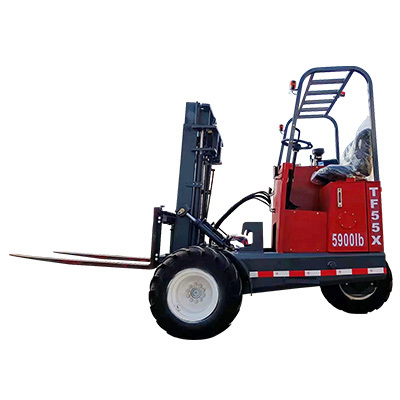
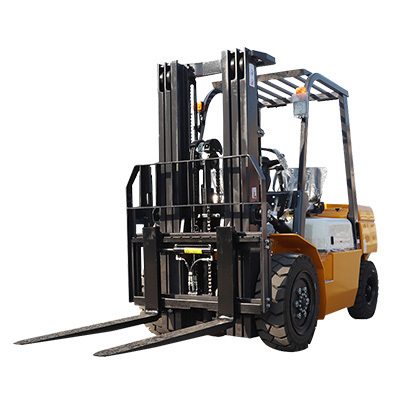
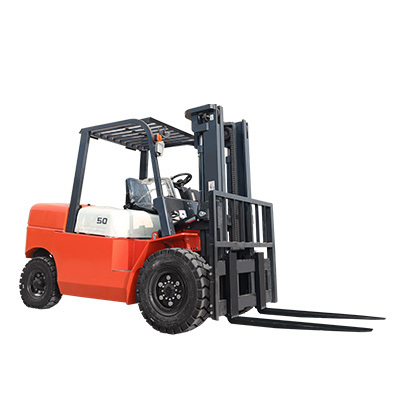
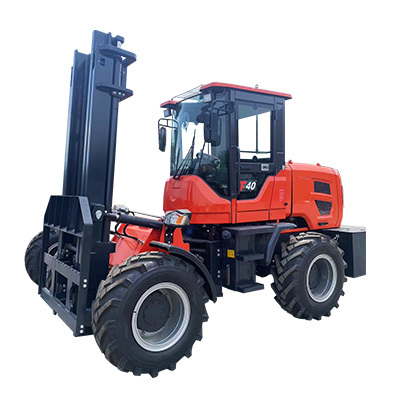
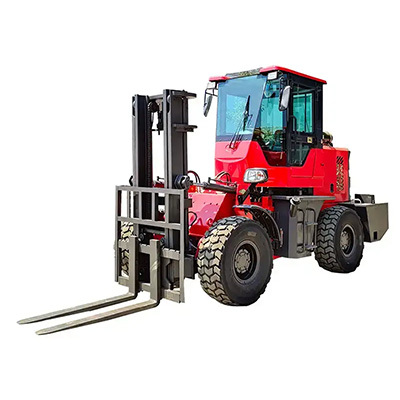
Forklifts are perhaps the most recognized type of handling equipment. They come in various sizes and capacities, enabling the lifting and transportation of heavy goods efficiently. Investing in modern forklifts equipped with advanced features can significantly improve warehouse operations.
Pallet Jacks
Pallet jacks are essential for moving palletized goods within the warehouse. They are cost-effective and versatile, making them a must-have for any warehouse setup.
Conveyor Systems
Conveyor systems automate the movement of goods, reducing the need for manual handling. This automation accelerates the sorting and distribution processes, ultimately enhancing productivity.
Stackers
Stackers are useful for lifting and stacking goods, particularly in tight spaces. Their compact design maximizes storage efficiency, making them an excellent choice for smaller warehouses.
Warehouse Racking Systems
While not traditional handling equipment, warehouse racking systems play a significant role in optimizing space and facilitating the efficient retrieval of goods.
Benefits of Investing in Quality Handling Equipment
Investing in quality handling equipment offers multiple advantages that extend beyond mere functionality. Here are some compelling benefits:
Increased Productivity
Quality equipment works seamlessly, allowing for quicker loading and unloading processes. This increase in productivity can lead to higher output without the additional hiring of staff.
Enhanced Safety
Using well-maintained, high-quality equipment reduces the risk of accidents and injuries. Safety features and ergonomic designs contribute to a safer working environment, which is essential for compliance with health and safety regulations.
Lower Maintenance Costs
While the initial investment in quality equipment may be higher, it often results in lower maintenance costs over time. High-quality equipment is designed for longevity, requiring fewer repairs and replacements.
Better Inventory Management
Quality handling equipment can significantly enhance inventory management systems. Efficient handling leads to better organization and tracking of goods, reducing the risk of loss or misplacement.
Cost-Effectiveness of Quality Equipment
Investing in quality handling equipment may seem expensive upfront, but the long-term savings often justify the initial expenditure. Here’s how:
Reduced Downtime
Quality equipment minimizes the risk of breakdowns and malfunctions, leading to less downtime. This reliability ensures that your warehouse operates smoothly and efficiently.
Energy Efficiency
Many modern handling equipment options are designed with energy efficiency in mind. Investing in energy-efficient machinery not only reduces operational costs but also contributes to sustainability efforts.
Higher Resale Value
Quality handling equipment typically retains its value better than cheaper alternatives. When it's time to upgrade, you'll find that quality equipment fetches a higher resale price.
Safety Standards and Compliance
Compliance with safety standards is non-negotiable in any warehouse setting. Quality handling equipment adheres to industry regulations and safety standards, minimizing the likelihood of accidents.
Training and Certification
Investing in quality equipment often comes with the benefit of manufacturer training and certification programs. Employees who are well-trained in using the equipment are less likely to make errors that could lead to accidents.
Regular Maintenance and Inspections
Quality handling equipment typically requires regular maintenance and inspections, ensuring that any potential issues are addressed before they become significant problems. This proactive approach to maintenance is vital for workplace safety.
Choosing the Right Handling Equipment
Selecting the appropriate handling equipment is crucial to maximizing its benefits. Here are some factors to consider:
Assess Your Needs
Evaluate your specific warehouse needs and the types of products you handle. Understanding your unique requirements will guide you in selecting the right equipment.
Research and Compare
Explore different equipment options and compare features, prices, and warranties. Researching various manufacturers can help you find the best quality at the right price.
Consider Future Growth
When investing in handling equipment, consider your warehouse's future growth. Opt for versatile equipment that can adapt to changing demands and expansions in your operations.
Future Trends in Warehouse Handling Equipment
The landscape of warehouse handling equipment is constantly evolving. Here are some trends to watch:
Automation and Robotics
As businesses strive for efficiency, automation is becoming increasingly popular in warehouse operations. Investing in automated handling equipment can significantly enhance productivity.
Telematics and IoT Integration
The integration of Internet of Things (IoT) technology provides real-time data on equipment performance, enabling better decision-making and predictive maintenance.
Ergonomic Designs
Future handling equipment will likely focus more on ergonomics, reducing the physical strain on workers. Investing in ergonomically designed equipment can lead to happier, healthier employees and lower turnover rates.
Conclusion
In conclusion, investing in quality handling equipment is not just a financial decision; it is a strategic move that can profoundly impact your warehouse operations. From enhancing safety and efficiency to improving employee satisfaction and reducing costs, the benefits are numerous. As you plan your warehouse's future, prioritize quality handling equipment to ensure your business remains competitive and prepared for growth.
Frequently Asked Questions
1. What types of handling equipment are essential for a warehouse?
Essential handling equipment includes forklifts, pallet jacks, conveyor systems, stackers, and racking systems.
2. How does quality equipment impact warehouse safety?
Quality equipment is designed with safety features, reducing the risk of accidents and injuries in the workplace.
3. What are the long-term cost benefits of investing in quality handling equipment?
Long-term benefits include reduced maintenance costs, increased productivity, and a higher resale value.
4. How can I determine the right handling equipment for my warehouse?
Assess your specific needs, research various options, and consider future growth when selecting equipment.
5. What future trends should I be aware of in warehouse handling equipment?
Key trends include automation, IoT integration, and ergonomic designs that enhance worker safety and efficiency.
More News
Can't find the product you need?
Get in touch today and learn more of the Strength and Diversity of the Titan product range.
CONTACT US
Phone number:
Email:
Address:
Wehai:No 190-1,Culture of west road,Shandong provenice
Qingzhou:
Shanghai:


