

















Boosting Productivity in Distribution Centers with Piggyback Forklifts: A Comprehensive Guide
Release time:
2026-02-03
Summary
Boosting Productivity in Distribution Centers with Piggyback Forklifts
Table of Contents
1. Introduction to Piggyback Forklifts
2. Understanding Distribution Centers
3. The Role of Piggyback Forklifts in Enhancing Efficiency
3.1 What are Piggyback Forklifts?
3.2 Key Features of Piggyback Forklifts
4. Advantages of Using Piggyback Forklifts in Distribution Centers
4.1 Space Optimization
4.2 Cost Ef

Boosting Productivity in Distribution Centers with Piggyback Forklifts
Table of Contents
1. Introduction to Piggyback Forklifts
2. Understanding Distribution Centers
3. The Role of Piggyback Forklifts in Enhancing Efficiency
3.1 What are Piggyback Forklifts?
3.2 Key Features of Piggyback Forklifts
4. Advantages of Using Piggyback Forklifts in Distribution Centers
4.1 Space Optimization
4.2 Cost Effectiveness
4.3 Versatility in Handling Different Loads
5. Best Practices for Utilizing Piggyback Forklifts
5.1 Training Staff for Efficiency
5.2 Regular Maintenance and Safety Checks
6. Case Studies: Successful Implementation of Piggyback Forklifts
7. Future Trends in Forklift Technology
8. Frequently Asked Questions
9. Conclusion
1. Introduction to Piggyback Forklifts
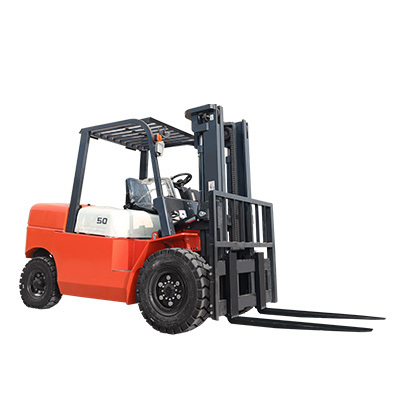
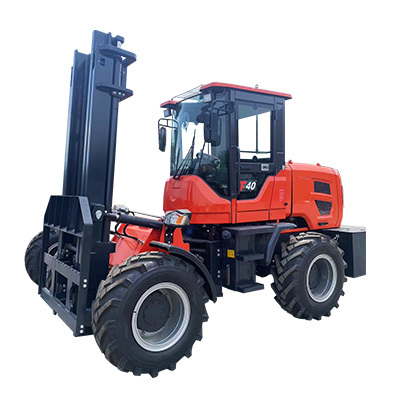
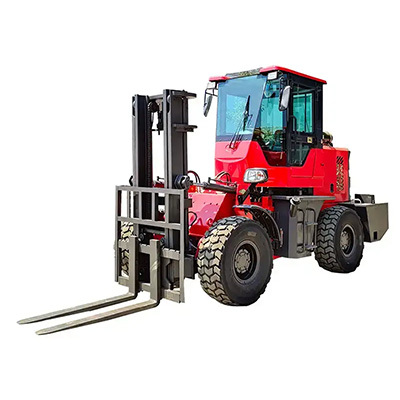
Piggyback forklifts are an innovative solution designed to boost productivity in distribution centers. These forklifts, which can transport loads on the back of a truck, provide a unique advantage in terms of logistics and efficiency. By enabling the simultaneous handling of loads at both the receiving and shipping docks, piggyback forklifts help streamline operational workflows.
2. Understanding Distribution Centers
Distribution centers serve as crucial hubs in the supply chain, responsible for storing, sorting, and shipping products. Efficient operation in these facilities directly impacts overall business performance. As such, implementing solutions that enhance productivity is paramount. Piggyback forklifts can significantly improve the handling and movement of goods within these centers.
3. The Role of Piggyback Forklifts in Enhancing Efficiency
3.1 What are Piggyback Forklifts?
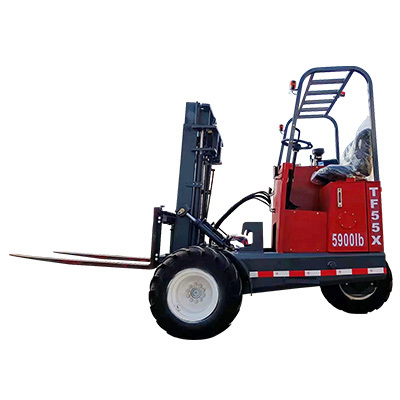
Piggyback forklifts are specialized forklifts that can transport goods and pallets on the back of a truck. They combine the functionalities of a traditional forklift with the mobility of a truck, making them ideal for transportation within a distribution center.
3.2 Key Features of Piggyback Forklifts
These forklifts come equipped with features such as:
- **High maneuverability** allowing for operation in tight spaces.
- **Robust lifting capabilities** designed to handle heavy loads.
- **Integrated design** that enables easy loading and unloading directly onto trailers.
4. Advantages of Using Piggyback Forklifts in Distribution Centers
Utilizing piggyback forklifts in distribution centers offers numerous benefits that can enhance overall productivity.
4.1 Space Optimization
By enabling the loading and unloading of goods directly from trucks, piggyback forklifts reduce the need for additional storage space. This optimization allows for better use of the facility, freeing up valuable square footage for other operations.
4.2 Cost Effectiveness
The use of piggyback forklifts can lead to substantial cost savings. Fewer labor hours are required for loading and unloading, and the efficient handling of goods reduces the likelihood of damage, further minimizing operational costs.
4.3 Versatility in Handling Different Loads
Piggyback forklifts can easily adapt to a variety of load types, including pallets and bulk items, making them suitable for diverse distribution center operations. Their versatility ensures that facilities can manage different products without needing specialized equipment.
5. Best Practices for Utilizing Piggyback Forklifts
To maximize the benefits of piggyback forklifts, implementing best practices is essential.
5.1 Training Staff for Efficiency
One of the most critical aspects of utilizing piggyback forklifts effectively is ensuring that staff are properly trained. Training programs should focus on safe operation, maintenance practices, and efficient loading techniques to enhance productivity.
5.2 Regular Maintenance and Safety Checks
Regular maintenance is crucial for ensuring the longevity and reliability of piggyback forklifts. Scheduling routine safety checks can prevent accidents and reduce downtime, allowing for uninterrupted operation in distribution centers.
6. Case Studies: Successful Implementation of Piggyback Forklifts
Several companies have successfully integrated piggyback forklifts into their distribution centers, resulting in remarkable improvements in productivity. For instance, a leading logistics provider reported a **30% improvement in loading times** after implementing piggyback forklifts, showcasing their effectiveness in enhancing efficiency.
7. Future Trends in Forklift Technology
The future of forklift technology, including piggyback forklifts, is poised for significant advancements. Innovations such as automation, electric-powered models, and enhanced safety features will likely play a key role in further boosting productivity in distribution centers.
8. Frequently Asked Questions
8.1 What distinguishes piggyback forklifts from traditional forklifts?
Piggyback forklifts can transport loads on the back of a truck, combining the functionalities of both a forklift and a vehicle, unlike traditional forklifts which are limited to warehouse operations.
8.2 Are piggyback forklifts suitable for outdoor use?
Yes, many piggyback forklifts are designed for outdoor use, making them versatile for different work environments.
8.3 How do I maintain a piggyback forklift?
Regular inspections, adherence to manufacturer guidelines, and timely repairs are essential for maintaining a piggyback forklift.
8.4 How can I train my staff on piggyback forklifts?
Training can be provided through in-house programs or by hiring certified trainers who specialize in forklift operation.
8.5 What costs are associated with implementing piggyback forklifts?
Costs include the purchase or lease of the forklifts, training expenses, and ongoing maintenance. However, the long-term savings can offset these initial investments.
9. Conclusion
Incorporating piggyback forklifts into distribution centers presents a unique opportunity to enhance productivity, reduce costs, and optimize space. By understanding their features, advantages, and best practices, businesses can leverage these versatile machines to achieve operational excellence. As technology continues to evolve, staying ahead with innovative solutions like piggyback forklifts will be vital for maintaining a competitive edge in the logistics industry.
More News
Can't find the product you need?
Get in touch today and learn more of the Strength and Diversity of the Titan product range.
CONTACT US
Phone number:
Email:
Address:
Wehai:No 190-1,Culture of west road,Shandong provenice
Qingzhou:
Shanghai:


