

















Exploring the Safety Features of Modern Piggyback Forklifts
Release time:
2025-11-11
Summary

Exploring the Safety Features of Modern Piggyback Forklifts
Piggyback forklifts serve as a vital piece of equipment in the transportation and storage sectors, allowing for efficient loading and unloading of goods. As the industry evolves, so do the safety features incorporated into these machines. Understanding these features is crucial for operators and businesses alike. This article will explore the safety mechanisms of modern piggyback forklifts, guiding you through the technology and practices that enhance safety and productivity.
Table of Contents
- Introduction to Piggyback Forklifts
- The Importance of Safety in Forklift Operations
- Key Design Features Enhancing Safety
- Technological Advancements in Forklift Safety
- The Role of Operator Training in Safety
- Essential Maintenance Protocols for Safety
- Compliance with Industry Safety Regulations
- Future Trends in Forklift Safety Technology
- Conclusion
- Frequently Asked Questions
Introduction to Piggyback Forklifts
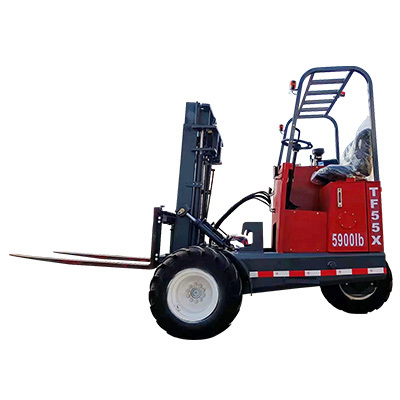
Piggyback forklifts, also known as truck-mounted forklifts, are designed to be transported on the back of trucks, making them incredibly versatile for loading and unloading goods. These machines are equipped with forks that can lift materials onto or into vehicles and are characterized by their ability to handle heavy loads efficiently. With the increasing demand for efficiency in logistics, the importance of safety in forklift operations has never been greater. Modern piggyback forklifts come equipped with various safety features aimed at protecting operators, bystanders, and the materials being handled.
The Importance of Safety in Forklift Operations
Forklift accidents can result in severe injuries, damage to property, and significant financial losses. Implementing safety measures is not just a regulatory requirement but a moral obligation for businesses. Safety features in modern piggyback forklifts are crucial for several reasons:
- Protection of Personnel: Safety features prevent accidents that could injure operators or pedestrians in the vicinity.
- Reduction of Damage: Enhanced safety reduces the likelihood of equipment and material damage during operations.
- Compliance with Laws: Adhering to safety regulations helps avoid legal issues and fines.
- Increased Efficiency: A safe working environment fosters productivity as operators can focus on their tasks without fear of accidents.
Key Design Features Enhancing Safety
Modern piggyback forklifts incorporate various design elements that prioritize safety. Understanding these features can help operators maximize the benefits of their equipment:
1. Stability Features
Stability is paramount in forklift operations. Modern piggyback forklifts often come with advanced stability systems that enhance balance and prevent tipping. These systems may include:
- Low center of gravity: This design helps maintain stability while lifting loads.
- Outriggers: Some models are equipped with outriggers that extend to provide additional support during operation.
2. Visibility Enhancements
Improving visibility is crucial for reducing accidents. Modern forklifts feature large windows, low profiles, and strategically placed mirrors to enhance the operator's line of sight. Additionally, some models include:
- Rearview cameras: These provide operators with a clear view of the area behind them.
- LED lights: Enhanced lighting improves visibility in low-light conditions.
3. Ergonomic Design
An ergonomic design minimizes operator fatigue and enhances safety. Features include:
- Adjustable seats: These allow operators to find a comfortable position for extended use.
- Intuitive controls: User-friendly controls reduce the risk of operator error during operations.
Technological Advancements in Forklift Safety
Technological innovations continue to reshape the landscape of forklift safety. New features enhance operational safety and efficiency:
1. Collision Avoidance Systems
These advanced systems use sensors to detect obstacles in the forklift's path. When an obstacle is detected, the system alerts the operator or automatically slows down or stops the forklift, preventing accidents.
2. Load Weight Sensors
Modern piggyback forklifts are often equipped with load weight sensors that prevent the machine from lifting loads exceeding its capacity. This feature helps to avoid tipping and equipment damage.
3. Remote Monitoring Systems
Telematics systems allow fleet managers to monitor forklift performance and safety in real-time. These systems can track operating hours, maintenance needs, and safety compliance, ensuring that safety protocols are always followed.
The Role of Operator Training in Safety
Even the most advanced safety features cannot replace the need for proper operator training. Well-trained operators are essential for ensuring that safety features are used effectively. Key training components include:
1. Understanding Safety Protocols
Operators must be familiar with all safety features and protocols related to the specific forklift model they are using. This knowledge enables them to utilize safety features effectively during operation.
2. Practical Operation Training
Hands-on training allows operators to practice using the forklift in a controlled environment. This helps them become proficient and confident in their ability to operate the machine safely.
3. Ongoing Education
Safety training should not be a one-time event. Regular refresher courses keep operators updated on new safety features and protocols, ensuring continuous adherence to best practices.
Essential Maintenance Protocols for Safety
Regular maintenance is critical to ensuring that safety features function effectively. A well-maintained forklift enhances safety and extends equipment life. Key maintenance protocols include:
1. Daily Inspections
Operators should conduct daily inspections before using the forklift. This includes checking fluid levels, brakes, lights, and safety features to ensure they are functioning correctly.
2. Scheduled Maintenance
Following the manufacturer's maintenance schedule is crucial. Regular servicing by trained technicians ensures that all safety features are in top condition.
3. Keeping Records
Maintaining detailed records of inspections, maintenance, and repairs helps track the condition of the forklift and ensures compliance with safety regulations.
Compliance with Industry Safety Regulations
Adhering to industry regulations is essential for maintaining a safe work environment. Organizations like OSHA (Occupational Safety and Health Administration) provide guidelines that must be followed. Key aspects include:
1. Regular Safety Audits
Conducting regular safety audits helps identify potential hazards and areas for improvement. Compliance with regulations not only enhances safety but also protects businesses from legal repercussions.
2. Documentation of Training and Safety Procedures
Keeping thorough documentation of training provided to operators and safety procedures in place is critical for compliance and accountability.
Future Trends in Forklift Safety Technology
As technology continues to evolve, the future of forklift safety looks promising. Emerging trends include:
1. Automation and Robotics
With the rise of automation, we can expect to see more robotic forklifts that can operate independently. This technology reduces the risk of human error and enhances safety.
2. Advanced AI Systems
Artificial intelligence will likely play a significant role in future forklift safety. AI can analyze operational data to predict maintenance needs and enhance safety protocols based on real-time data.
3. Enhanced Connectivity
As forklifts become more connected, the potential for improved safety through data sharing and communication will increase. This connectivity will allow for better monitoring and proactive safety measures.
Conclusion
Modern piggyback forklifts incorporate numerous safety features designed to protect operators, bystanders, and the materials being handled. From advanced stability systems to the integration of cutting-edge technology, these machines are at the forefront of safety in the transportation and storage industry. Operator training and regular maintenance play a vital role in ensuring that these safety features are utilized effectively. As we look to the future, we can expect continued advancements in technology that will further enhance forklift safety, making logistics operations safer and more efficient for everyone involved.
Frequently Asked Questions
1. What is a piggyback forklift?
A piggyback forklift is a type of forklift that can be mounted on the back of a truck, allowing for easy transportation and efficient loading and unloading of goods.
2. What are the key safety features of modern piggyback forklifts?
Key safety features include stability systems, visibility enhancements, ergonomic designs, collision avoidance systems, load weight sensors, and remote monitoring systems.
3. Why is operator training important for forklift safety?
Operator training ensures that individuals are familiar with safety protocols and features, reducing the risk of accidents and improving overall operational efficiency.
4. How often should piggyback forklifts be maintained?
Piggyback forklifts should undergo daily inspections and scheduled maintenance according to the manufacturer's recommendations to ensure optimal performance and safety.
5. What role do industry regulations play in forklift safety?
Industry regulations provide guidelines that help ensure safety in forklift operations. Compliance with these regulations is critical for protecting personnel and minimizing legal risks.
More News
Can't find the product you need?
Get in touch today and learn more of the Strength and Diversity of the Titan product range.
CONTACT US
Phone number:
Email:
Address:
Wehai:No 190-1,Culture of west road,Shandong provenice
Qingzhou:
Shanghai:


