

















How to Choose the Right Piggyback Forklift for Your Business Needs
Release time:
2025-09-30
Summary

How to Choose the Right Piggyback Forklift for Your Business Needs
When it comes to optimizing logistics and material handling operations, selecting the right equipment can significantly impact productivity and efficiency. One such piece of equipment that stands out in the transportation sector is the piggyback forklift. This article delves into the essential considerations for choosing a piggyback forklift that aligns with your business requirements.
Understanding Piggyback Forklifts: What They Are and How They Work
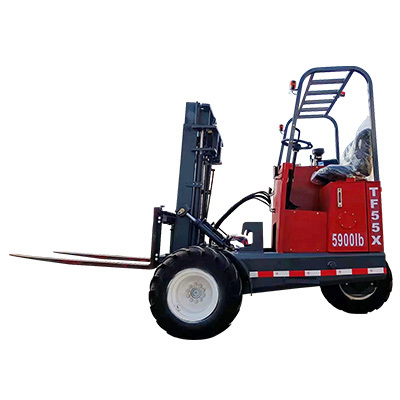
Piggyback forklifts, also known as truck-mounted forklifts, are specialized forklifts that can be mounted onto the back of a truck or trailer. This design allows for easy transport of goods directly to the delivery site, eliminating the need for additional forklifts at the destination. The versatility and efficiency of piggyback forklifts make them invaluable in industries like construction, logistics, and warehousing.
Key Features of Piggyback Forklifts
Before diving into the selection process, it's crucial to understand the key features of piggyback forklifts. These include:
- Lift Capacity: The weight a forklift can lift is a primary consideration for any business. Piggyback forklifts typically range from 2,500 to 6,000 pounds.
- Lift Height: Depending on your storage and loading requirements, the lift height can influence your choice significantly.
- Turn Radius: A compact turn radius helps in navigating tight spaces, which is essential for urban deliveries.
- Fuel Type: Options include electric, diesel, and LPG, each with its own advantages and limitations.
- Operator Comfort: Ergonomically designed controls and seating can enhance operator efficiency and reduce fatigue.
Assessing Your Business Needs for a Piggyback Forklift
Choosing the right piggyback forklift starts with assessing your specific business needs. Here are critical factors to consider:
1. Evaluate Your Load Requirements
Understanding the types and weights of the loads you will be handling is fundamental. This evaluation will guide you in choosing a forklift with the appropriate lift capacity and fork length. Remember, exceeding the recommended weight capacity can lead to equipment failure and safety risks.
2. Consider Your Delivery Locations
The locations where you will be delivering goods play a vital role in your selection process. If your deliveries are often to urban areas with limited space, a compact forklift with a smaller turning radius will be beneficial. Conversely, if your operations are primarily in open environments, you may prioritize lift height and capacity over size.
3. Analyze Your Frequency of Use
Determine how often the piggyback forklift will be used. For high-frequency operations, investing in a more durable model with advanced features may yield long-term benefits. In contrast, if usage is infrequent, a more budget-friendly option might suffice.
4. Budget Considerations
Setting a budget is essential. While it can be tempting to opt for the cheapest option, consider the long-term costs associated with maintenance, fuel, and potential downtime. A higher initial investment in a quality piggyback forklift can result in lower operating costs over time.
Types of Piggyback Forklifts Available
Understanding the different types of piggyback forklifts available in the market will help you make an informed decision:
1. Electric Piggyback Forklifts
These are powered by batteries and are ideal for indoor use due to zero emissions. They are quieter and require less maintenance but may have limited run time compared to their diesel counterparts.
2. Diesel Piggyback Forklifts
Diesel-powered models are robust and suitable for outdoor applications. They provide higher lift capacities and longer run times but can be noisier and produce emissions.
3. LPG Piggyback Forklifts
LPG options offer a balance between diesel and electric models, providing the ability to operate indoors and outdoors. They are versatile but may require regular maintenance for the gas system.
Essential Features to Look For
Once you have identified your needs and the type of forklift, focus on specific features that can enhance your operations:
1. Fork Size and Configuration
The size and configuration of the forks will vary based on the types of loads you will be handling. Ensure the fork length and width can accommodate your standard pallets or items.
2. Attachments and Accessories
Consider whether you will need additional attachments, such as side shifters or fork positioners, to increase versatility. These features can enhance productivity by enabling various handling tasks.
3. Safety Features
Safety should be a priority when selecting a piggyback forklift. Look for features such as stability systems, operator presence systems, and seat belts to ensure safe operation.
Maintenance and Support Considerations
Regular maintenance is crucial for the longevity and performance of your piggyback forklift. Choose a vendor that offers robust after-sales support, including service agreements, training, and readily available parts.
1. Service Agreements
Establishing a service agreement can streamline maintenance and ensure your forklift remains in optimal condition. This proactive approach can prevent costly downtime.
2. Training for Operators
Proper training for operators is essential for safety and efficiency. Ensure that the vendor provides training resources or programs to equip your staff with the necessary skills.
Cost Analysis: Is a Piggyback Forklift Worth the Investment?
Investing in a piggyback forklift can be a significant financial decision. Conducting a thorough cost analysis is vital to ascertain whether the investment aligns with your business goals.
1. Return on Investment (ROI)
Calculating the potential ROI involves assessing how a piggyback forklift can enhance productivity, reduce labor costs, and improve delivery times. A well-chosen forklift can yield substantial returns in efficiency and customer satisfaction.
2. Total Cost of Ownership (TCO)
The TCO encompasses not just the initial purchase price, but also ongoing maintenance, fuel costs, insurance, and depreciation. A comprehensive understanding of TCO will provide a clearer picture of the financial commitment involved.
Supplier Selection: Finding the Right Vendor
Choosing the right supplier is as important as the forklift itself. Conduct thorough research to ensure the supplier has a solid reputation for quality and customer service.
1. Reviews and Recommendations
Look for customer reviews and testimonials to gauge the experiences of other businesses. Recommendations from industry peers can be invaluable in identifying trustworthy suppliers.
2. Warranty and Support
Check the warranty terms and after-sales support options provided by the vendor. A longer warranty period and robust support network can add peace of mind to your investment.
FAQs About Piggyback Forklifts
1. What is the typical lifespan of a piggyback forklift?
The lifespan of a piggyback forklift can vary based on usage and maintenance but generally ranges from 10 to 15 years.
2. Can piggyback forklifts operate on uneven terrain?
Many models are designed to handle uneven terrain, but it's essential to check the specifications and capabilities of the particular forklift.
3. Are there financing options available for purchasing a piggyback forklift?
Yes, many suppliers offer financing options, including leases and loans, to help businesses acquire the necessary equipment without a large upfront cost.
4. How do I ensure the safety of operators when using a piggyback forklift?
Providing adequate training, ensuring proper maintenance, and equipping the forklift with safety features are essential steps to ensure operator safety.
5. Is it better to buy or lease a piggyback forklift?
Your decision to buy or lease should depend on your budget, frequency of use, and long-term plans for your business. Leasing may be beneficial for short-term needs, while purchasing can be more cost-effective for long-term use.
Conclusion
Selecting the right piggyback forklift for your business needs involves a careful assessment of your operational requirements, load specifications, and budget considerations. By understanding the various types of forklifts, essential features, and the importance of reliable suppliers, you can make an informed decision that enhances your logistics capabilities. Investing in the right equipment will not only improve efficiency but also contribute to overall operational success.
More News
Can't find the product you need?
Get in touch today and learn more of the Strength and Diversity of the Titan product range.
CONTACT US
Phone number:
Email:
Address:
Wehai:No 190-1,Culture of west road,Shandong provenice
Qingzhou:
Shanghai:


