

















Essential Insights into Materials Handling Equipment for Efficient Cargo Transport and Warehousing
Release time:
2025-07-15
Summary
---
Materials handling equipment (MHE) plays an indispensable role in the transportation and storage of goods within the logistics industry, particularly in the areas of cargo transport and warehousing. This equipment includes a wide range of tools and machines designed to facilitate the movement, protection, storage, and control of materials and products throughout the manufacturing, warehousing,

---
Materials handling equipment (MHE) plays an indispensable role in the transportation and storage of goods within the logistics industry, particularly in the areas of cargo transport and warehousing. This equipment includes a wide range of tools and machines designed to facilitate the movement, protection, storage, and control of materials and products throughout the manufacturing, warehousing, distribution, and consumption stages. Understanding these tools is essential for maximizing operational efficiency and ensuring a smooth workflow.
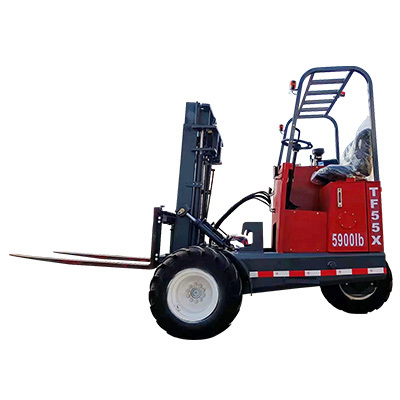
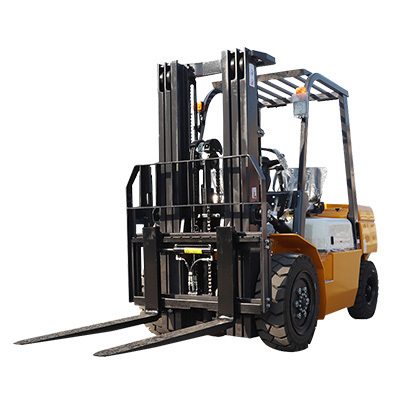
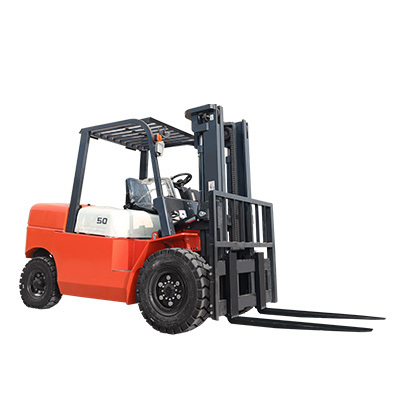
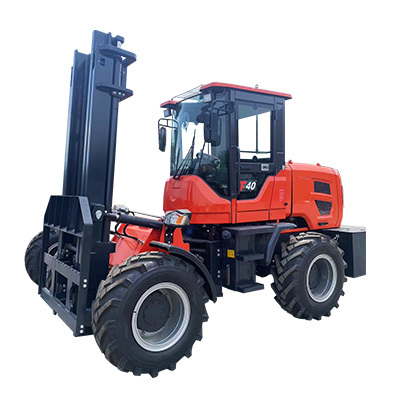
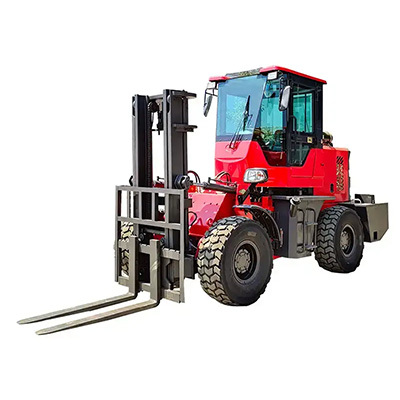
One of the primary categories of materials handling equipment includes manual devices such as hand trucks, pallet jacks, and forklifts. These tools are vital for moving goods over short distances and can significantly speed up the loading and unloading processes. Forklifts, for instance, are particularly valuable in warehouses for stacking and retrieving pallets of goods. Proper training in equipment use is essential to ensure safety and efficiency in operations.
Automated materials handling systems are becoming increasingly popular, particularly in large warehouses. These systems can include conveyor belts, automated guided vehicles (AGVs), and robotic pickers. Automation helps to reduce labor costs and increase accuracy in inventory handling. For example, conveyor systems can efficiently transport items across different sections of a warehouse, reducing the physical strain on workers and minimizing delays.
When selecting materials handling equipment, it is important to consider factors such as load capacity, the working environment, and the specific tasks involved. An assessment of the warehouse layout and flow of goods will help determine which equipment will be most effective. For instance, in tight spaces, a compact forklift or a narrow aisle reach truck may be necessary, while larger areas may benefit from more robust automated solutions.
Maintenance of materials handling equipment is equally important. Regular inspections and upkeep ensure that machinery operates efficiently and safely. Implementing a maintenance schedule can prevent unexpected breakdowns, which can lead to costly downtimes and disrupt the supply chain.
In conclusion, materials handling equipment is a critical component of the cargo transport and warehousing industry. By understanding the different types of equipment available and their applications, businesses can make informed decisions that enhance productivity and safety. Embracing both manual and automated solutions, while prioritizing maintenance, ultimately leads to more streamlined operations and a more efficient supply chain. Staying informed about advancements in materials handling technology will position companies to adapt to future challenges in logistics and warehousing.
Back to list
Materials handling equipment (MHE) plays an indispensable role in the transportation and storage of goods within the logistics industry, particularly in the areas of cargo transport and warehousing. This equipment includes a wide range of tools and machines designed to facilitate the movement, protection, storage, and control of materials and products throughout the manufacturing, warehousing, distribution, and consumption stages. Understanding these tools is essential for maximizing operational efficiency and ensuring a smooth workflow.
One of the primary categories of materials handling equipment includes manual devices such as hand trucks, pallet jacks, and forklifts. These tools are vital for moving goods over short distances and can significantly speed up the loading and unloading processes. Forklifts, for instance, are particularly valuable in warehouses for stacking and retrieving pallets of goods. Proper training in equipment use is essential to ensure safety and efficiency in operations.
Automated materials handling systems are becoming increasingly popular, particularly in large warehouses. These systems can include conveyor belts, automated guided vehicles (AGVs), and robotic pickers. Automation helps to reduce labor costs and increase accuracy in inventory handling. For example, conveyor systems can efficiently transport items across different sections of a warehouse, reducing the physical strain on workers and minimizing delays.
When selecting materials handling equipment, it is important to consider factors such as load capacity, the working environment, and the specific tasks involved. An assessment of the warehouse layout and flow of goods will help determine which equipment will be most effective. For instance, in tight spaces, a compact forklift or a narrow aisle reach truck may be necessary, while larger areas may benefit from more robust automated solutions.
Maintenance of materials handling equipment is equally important. Regular inspections and upkeep ensure that machinery operates efficiently and safely. Implementing a maintenance schedule can prevent unexpected breakdowns, which can lead to costly downtimes and disrupt the supply chain.
In conclusion, materials handling equipment is a critical component of the cargo transport and warehousing industry. By understanding the different types of equipment available and their applications, businesses can make informed decisions that enhance productivity and safety. Embracing both manual and automated solutions, while prioritizing maintenance, ultimately leads to more streamlined operations and a more efficient supply chain. Staying informed about advancements in materials handling technology will position companies to adapt to future challenges in logistics and warehousing.
More News
Can't find the product you need?
Get in touch today and learn more of the Strength and Diversity of the Titan product range.
CONTACT US
Phone number:
Email:
Address:
Wehai:No 190-1,Culture of west road,Shandong provenice
Qingzhou:
Shanghai:


