

















Choosing the Right Compact Construction Equipment for Your Project: A Comprehensive Guide
Release time:
2025-07-12
Summary
Choosing the Right Compact Construction Equipment for Your Project
Table of Contents
1. Understanding Compact Construction Equipment
2. Benefits of Using Compact Construction Equipment
3. Types of Compact Construction Equipment
3.1 Mini Excavators
3.2 Compact Track Loaders
3.3 Skid Steer Loaders
3.4 Compact Tractors
3.5 Trowel Machines
4. Assessing Your Project Requirements
5. Factors to Consider

Choosing the Right Compact Construction Equipment for Your Project
Table of Contents
1. Understanding Compact Construction Equipment
2. Benefits of Using Compact Construction Equipment
3. Types of Compact Construction Equipment
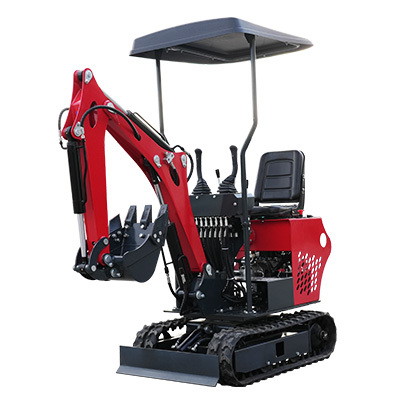
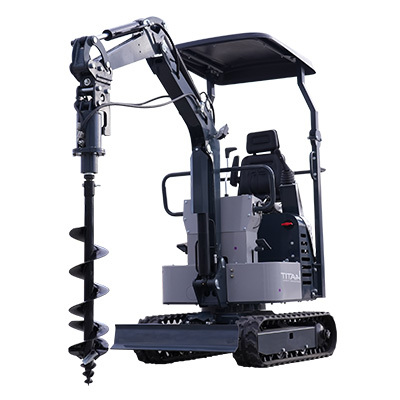
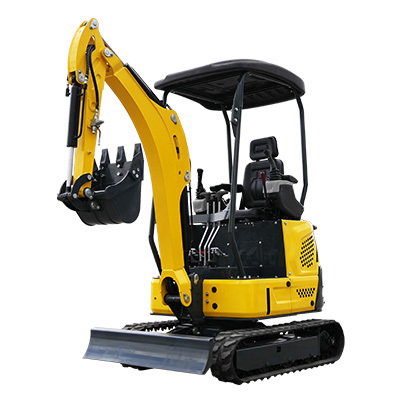
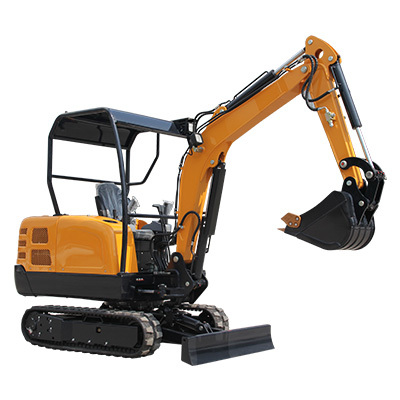
3.1 Mini Excavators
3.2 Compact Track Loaders
3.3 Skid Steer Loaders
3.4 Compact Tractors
3.5 Trowel Machines
4. Assessing Your Project Requirements
5. Factors to Consider When Choosing Equipment
5.1 Size and Power
5.2 Terrain and Environment
5.3 Budget Considerations
5.4 Maintenance and Support
6. Selecting the Right Brand and Model
7. Renting vs. Buying Compact Construction Equipment
8. Frequently Asked Questions (FAQs)
9. Conclusion
1. Understanding Compact Construction Equipment
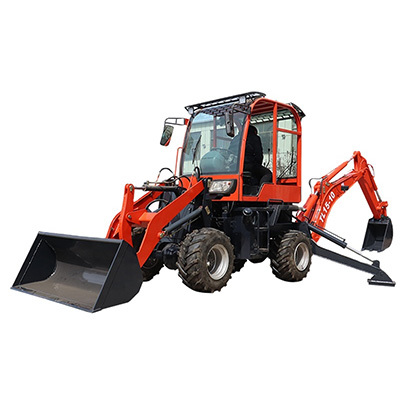
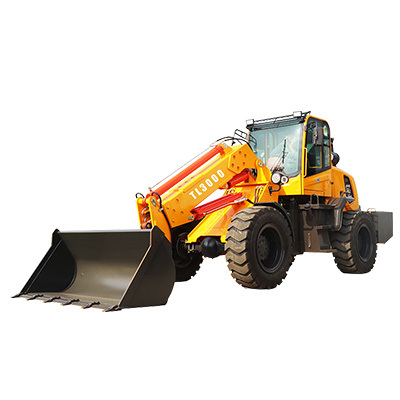
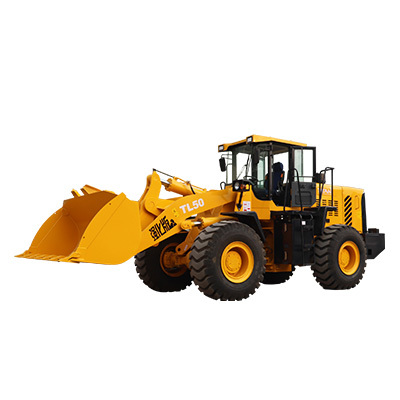
Compact construction equipment refers to machinery that is designed to operate in confined spaces while still providing the necessary power and efficiency for various construction tasks. Unlike traditional construction equipment, compact machines are lightweight, maneuverable, and often equipped with advanced technology, making them ideal for small to medium-sized projects and urban environments.
2. Benefits of Using Compact Construction Equipment
Utilizing compact construction equipment can significantly enhance your project’s productivity and efficiency. Some of the primary benefits include:
- **Versatility**: Compact machines can perform multiple functions, from digging and lifting to grading and compacting.
- **Maneuverability**: Their smaller size allows for easier navigation in tight spaces, reducing the need for extensive site preparation.
- **Cost-Effectiveness**: Compact machinery typically requires less fuel and maintenance, leading to reduced operational costs.
- **Ease of Transport**: Lightweight design makes it easier to transport equipment between job sites.
3. Types of Compact Construction Equipment
Each type of compact construction equipment serves a specific purpose. Understanding these will help you choose the right machinery for your project.
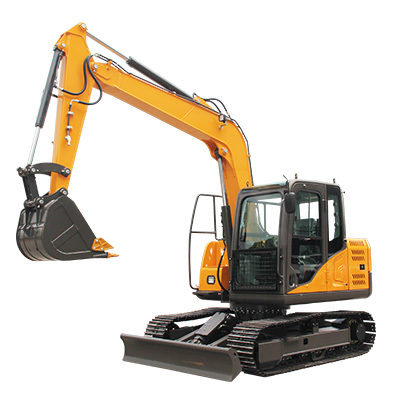
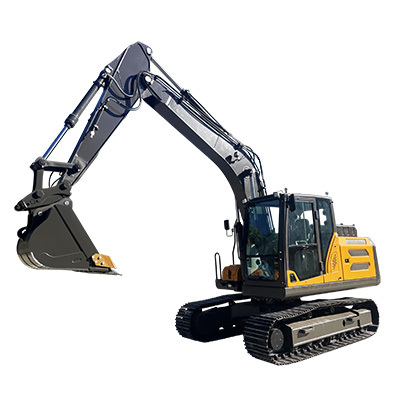
3.1 Mini Excavators
Mini excavators are versatile machines that can be used for digging, trenching, and landscaping. They are ideal for urban construction sites where space is limited.
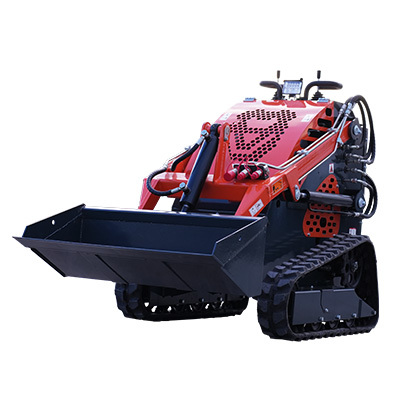
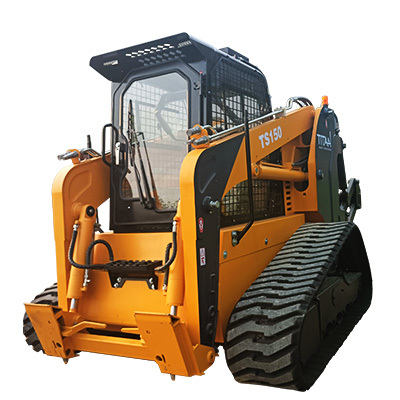
3.2 Compact Track Loaders
These loaders feature tracks instead of wheels, offering better stability and traction on uneven terrain. They are excellent for grading and material handling.
3.3 Skid Steer Loaders
Skid steer loaders are highly maneuverable and can be equipped with various attachments, making them suitable for a wide range of tasks, including snow removal and demolition.
3.4 Compact Tractors
Compact tractors are designed for agricultural and landscaping projects. They can handle tasks such as mowing, plowing, and transporting materials.
3.5 Trowel Machines
These are specialized machines used for finishing concrete surfaces. They provide a smooth finish and are essential for construction projects involving concrete.
4. Assessing Your Project Requirements
Before selecting compact construction equipment, it’s crucial to assess your project’s specific requirements. Consider the following:
- **Project Size**: Larger projects may require more powerful machinery, while smaller jobs can be managed with lighter equipment.
- **Type of Work**: Identify the primary tasks that need to be accomplished, such as excavation, grading, or material transport, to determine the necessary equipment.
- **Site Conditions**: Evaluate the terrain and environment where the equipment will be used.
5. Factors to Consider When Choosing Equipment
To make an informed decision, consider several key factors when selecting compact construction equipment.
5.1 Size and Power
Choose equipment that is appropriately sized for your project needs. The power output should be sufficient to handle the tasks without excessive strain.
5.2 Terrain and Environment
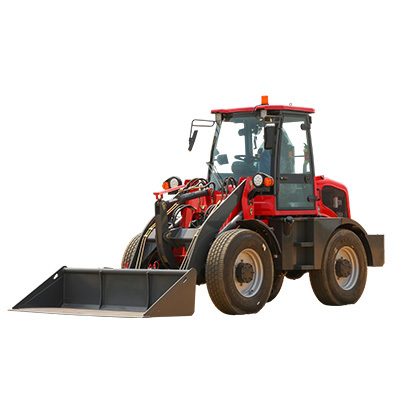
Consider the type of terrain where you will be working. Compact equipment with tracks may be better suited for muddy or uneven surfaces, while wheeled machines excel on paved or stable ground.
5.3 Budget Considerations
Establish a budget that includes not only the purchase or rental cost of the equipment but also ongoing operational costs such as fuel, maintenance, and insurance.
5.4 Maintenance and Support
Choose brands that offer reliable support and service options. Availability of parts and trained technicians can significantly affect the longevity and reliability of the equipment.
6. Selecting the Right Brand and Model
When choosing compact construction equipment, brand reputation plays a crucial role. Research different manufacturers, read reviews, and compare specifications to find models that align with your project needs. Popular brands known for their compact construction equipment include Caterpillar, Bobcat, and Kubota, among others.
7. Renting vs. Buying Compact Construction Equipment
Deciding whether to rent or buy compact construction equipment depends on various factors:
- **Frequency of Use**: If you require equipment for a one-time project, renting may be more cost-effective. For ongoing projects, buying could be a better investment.
- **Budget**: Renting can help manage costs if you have budget constraints, while purchasing may require a larger upfront investment.
- **Maintenance**: Renting often includes maintenance and support, which can save time and money.
8. Frequently Asked Questions (FAQs)
**Q1: What is compact construction equipment?**
A: Compact construction equipment refers to smaller, versatile machinery designed for use in limited spaces, suitable for a variety of construction tasks.
**Q2: How do I determine the right size of equipment for my project?**
A: Assess the project's size, the type of work required, and the site conditions to select the appropriately sized equipment.
**Q3: What are the benefits of using compact equipment over larger machinery?**
A: Compact equipment offers increased maneuverability, versatility, lower operational costs, and ease of transport in tight spaces.
**Q4: Should I rent or buy compact construction equipment?**
A: Your decision should be based on your project needs, frequency of use, budget, and maintenance considerations.
**Q5: What factors influence the cost of compact construction equipment?**
A: Factors include the brand, model, size, power, and additional features, as well as ongoing operational and maintenance expenses.
9. Conclusion
Selecting the right compact construction equipment for your project is crucial for ensuring efficiency and success. By understanding the various types of equipment available, assessing your specific project requirements, and considering factors such as size, budget, and brand reputation, you can make informed decisions that will benefit your project. Whether you choose to rent or buy, investing time in research and evaluation will pay dividends in productivity and effectiveness on site. Take the time to choose wisely, and your construction project will be on the path to success.
More News
Can't find the product you need?
Get in touch today and learn more of the Strength and Diversity of the Titan product range.
CONTACT US
Phone number:
Email:
Address:
Wehai:No 190-1,Culture of west road,Shandong provenice
Qingzhou:
Shanghai:


