

















How to Enhance Your Logistics Operations with Advanced Handling Equipment
Release time:
2025-07-04
Summary
How to Enhance Your Logistics Operations with Advanced Handling Equipment
Table of Contents
Introduction to Advanced Handling Equipment
Understanding Your Logistics Needs
Types of Advanced Handling Equipment
Automated Guided Vehicles (AGVs)
Forklifts and Pallet Jacks
Conveyor Systems
Robotic Arm Technology
Bene

How to Enhance Your Logistics Operations with Advanced Handling Equipment
Table of Contents
- Introduction to Advanced Handling Equipment
- Understanding Your Logistics Needs
- Types of Advanced Handling Equipment
- Benefits of Using Advanced Handling Equipment
- Integrating Technology into Logistics Operations
- Best Practices for Implementing Handling Equipment
- Common Challenges and Solutions
- Case Studies: Success Stories in Logistics Enhancement
- Future Trends in Logistics Handling Equipment
- FAQs
- Conclusion
Introduction to Advanced Handling Equipment
In today's fast-paced logistics landscape, **efficiency** is paramount. Advanced handling equipment plays a crucial role in ensuring that operations run smoothly, effectively reducing costs and improving productivity. By leveraging the latest technologies, companies can enhance their logistics operations significantly. This article delves into the various aspects of handling equipment and how it can transform your logistics operations.
Understanding Your Logistics Needs
Before investing in advanced handling equipment, it's essential to assess your logistics needs thoroughly. This involves understanding the specific requirements of your supply chain, such as:
- Volume of goods transported
- Types of products handled
- Workforce capabilities
- Space limitations in warehouses and distribution centers
- Current operational bottlenecks
By analyzing these factors, you can identify the most suitable handling equipment to optimize your logistics operations.
Types of Advanced Handling Equipment
When it comes to enhancing logistics operations, there are several types of advanced handling equipment that businesses can utilize to streamline their processes.
Automated Guided Vehicles (AGVs)
Automated Guided Vehicles are essential in modern logistics for transporting materials across warehouses and distribution centers. These vehicles operate autonomously, navigating predetermined paths using sensors and software. The benefits of AGVs include:
- Increased efficiency through reduced manual labor
- Minimized human errors in transportation
- 24/7 operation capability
With AGVs, companies can scale operations without the need for extensive workforce expansion.
Forklifts and Pallet Jacks
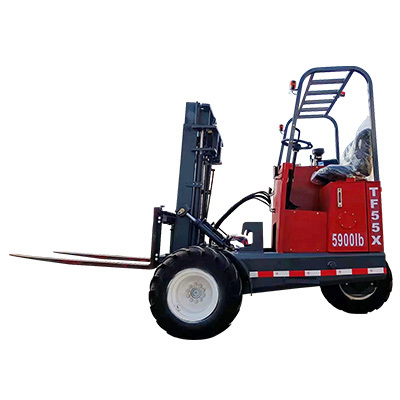
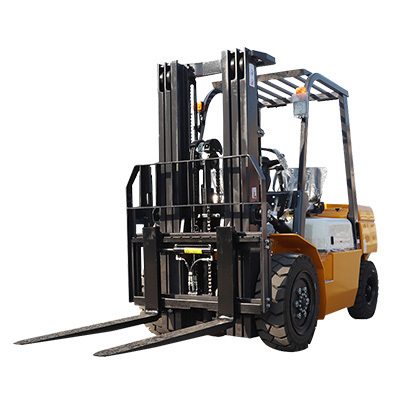
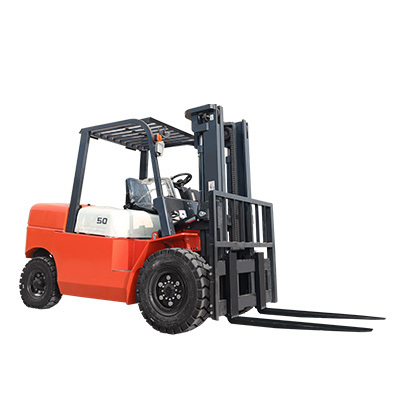
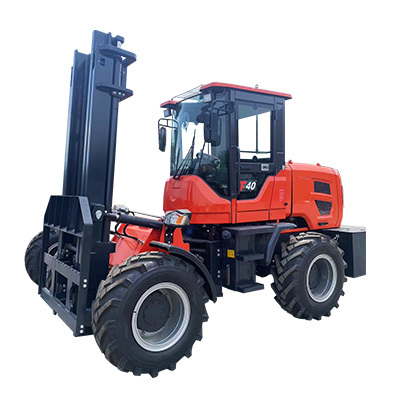
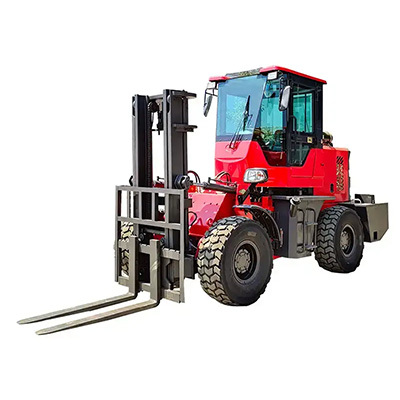
Forklifts and pallet jacks are traditional yet effective tools that remain vital in logistics handling. Recent advancements in **forklift technology** include electric models that are more energy-efficient and equipped with smart features for real-time tracking and monitoring. Key advantages include:
- Versatility in handling various payloads
- Improved safety features
- Reduced physical strain on workers
These machines are indispensable for optimizing loading and unloading processes.
Conveyor Systems
Conveyor systems streamline the transportation of goods within warehouses. They are particularly useful in sorting, packing, and shipping operations. Modern conveyor systems come with **smart technology** that allows for:
- Real-time monitoring of inventory
- Customizable configurations to suit different warehouse layouts
- Integration with other logistics technologies
By implementing conveyor systems, businesses can experience significant improvements in operational flow.
Robotic Arm Technology
Robotic arms are revolutionizing warehouse operations by automating repetitive tasks such as picking and packing. Equipped with advanced sensors and AI capabilities, these robots can enhance precision and speed while reducing labor costs. Advantages include:
- Consistent performance with minimal downtime
- Scalability to meet growing demands
- Enhanced safety for workers by handling heavy lifting
Integrating robotic arms into your operations can significantly reduce processing times and errors.
Benefits of Using Advanced Handling Equipment
Investing in advanced handling equipment can yield numerous benefits for logistics operations, including:
- Increased Productivity: Automation reduces manual tasks, allowing employees to focus on more strategic functions.
- Cost-Effectiveness: Lower labor costs and reduced errors can lead to significant savings over time.
- Improved Safety: Advanced safety features in modern handling equipment minimize workplace accidents and enhance worker safety.
- Faster Turnaround Times: Streamlined processes allow for quicker order fulfillment and enhanced customer satisfaction.
Integrating these benefits into your logistics strategy can lead to a more agile and responsive supply chain.
Integrating Technology into Logistics Operations
The integration of technology in logistics operations is not just about equipment; it involves a holistic approach to adopting tools that enhance overall efficiency. Key areas to consider include:
Data Management Systems
Implementing robust data management systems allows for better visibility into inventory levels, order statuses, and operational efficiencies. Real-time data analytics can guide decision-making and improve responsiveness.
Warehouse Management Systems (WMS)
A state-of-the-art WMS can help manage inventory more efficiently, optimizing space utilization and streamlining order picking processes. These systems can integrate seamlessly with handling equipment to provide real-time updates.
Supply Chain Management Software
Leveraging supply chain management software ensures that all logistics components work together cohesively. This software can track shipments, manage suppliers, and forecast demands, providing a comprehensive view of supply chain health.
Best Practices for Implementing Handling Equipment
To maximize the benefits of advanced handling equipment, companies should follow best practices during implementation:
- Conduct a Needs Assessment: Understand your specific operational challenges and identify equipment solutions that address these needs.
- Invest in Training: Equip employees with the necessary training to use new technologies efficiently, ensuring smooth transitions and maximizing productivity.
- Monitor Performance: Regularly assess the performance of handling equipment and make adjustments as necessary to optimize workflows.
- Stay Updated: Technology is constantly evolving. Staying informed about the latest advancements can help you maintain a competitive edge.
These practices can help ensure that your logistics operations benefit fully from the adoption of advanced handling equipment.
Common Challenges and Solutions
While integrating advanced handling equipment can be beneficial, businesses may encounter challenges. Common issues include:
Resistance to Change
Employees may resist new technologies. To address this, involve team members in the decision-making process and emphasize the long-term benefits of automation.
Integration Issues
Integrating new equipment with existing systems can be complex. Working with experienced IT professionals can streamline this process and ensure compatibility.
Maintenance and Upkeep
Regular maintenance is essential for reliability. Establish a routine maintenance schedule and consider service contracts with vendors for ongoing support.
Case Studies: Success Stories in Logistics Enhancement
Several companies have successfully enhanced their logistics operations using advanced handling equipment:
Case Study 1: Retail Giant
A major retail chain implemented automated guided vehicles in its distribution centers. As a result, they reduced order fulfillment times by 30%, significantly improving customer satisfaction.
Case Study 2: E-commerce Leader
An e-commerce company integrated robotic arms into its packing processes, leading to a 40% reduction in labor costs and a 25% increase in shipping speed.
Case Study 3: Manufacturing Firm
A manufacturing firm adopted conveyor systems in its warehouses, optimizing the routing of products and decreasing operational errors by 20%.
These success stories illustrate the tangible benefits that advanced handling equipment can bring to logistics operations.
Future Trends in Logistics Handling Equipment
As technology continues to evolve, several trends are shaping the future of logistics handling equipment:
Increased Automation
Automation will likely play a more significant role in logistics, with advancements in AI and machine learning driving further enhancements in efficiency.
Sustainability Initiatives
Companies are increasingly focusing on sustainability. Future handling equipment will be designed with energy efficiency and eco-friendliness in mind.
Enhanced Connectivity
The Internet of Things (IoT) will enable greater connectivity between handling equipment and logistics software, providing real-time insights and optimizing operations further.
Staying ahead of these trends will be crucial for businesses looking to enhance their logistics operations.
FAQs
1. What are the main advantages of using advanced handling equipment in logistics?
The primary advantages include increased productivity, cost savings, improved safety, and faster turnaround times.
2. How can I determine the best handling equipment for my logistics operations?
Conduct a thorough needs assessment, considering your specific operational challenges and choosing equipment that addresses them.
3. Are there any training requirements for using advanced handling equipment?
Yes, training is essential to ensure employees can operate new technologies safely and efficiently.
4. What are the common challenges faced during the implementation of new handling equipment?
Common challenges include resistance to change, integration issues, and maintenance concerns.
5. How do I maintain advanced handling equipment?
Establish a regular maintenance schedule and consider service contracts with vendors for ongoing support.
Conclusion
Enhancing logistics operations through advanced handling equipment is no longer a luxury but a necessity in today's competitive market. By understanding your logistics needs, investing in the right technology, and following best practices for implementation, companies can significantly improve their efficiency, reduce costs, and enhance overall productivity. As we move towards a more automated and data-driven future, staying informed and adaptable will be key to maintaining a competitive edge in the logistics industry.
More News
Can't find the product you need?
Get in touch today and learn more of the Strength and Diversity of the Titan product range.
CONTACT US
Phone number:
Email:
Address:
Wehai:No 190-1,Culture of west road,Shandong provenice
Qingzhou:
Shanghai:


