











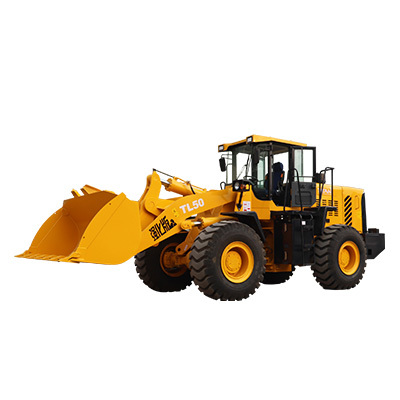

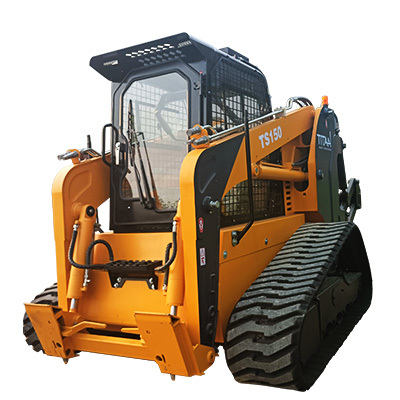
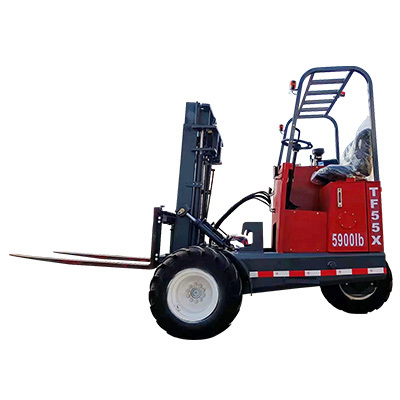


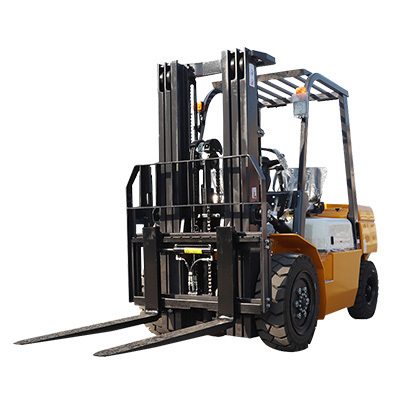



Innovative Handling Equipment Solutions for Safer Material Transport
Release time:
2025-06-28
Summary
Innovative Handling Equipment Solutions for Safer Material Transport
In the ever-evolving field of transportation and logistics, ensuring safe and efficient material handling is paramount. As companies seek to improve their operational efficiencies and safety standards, **innovative handling equipment solutions** emerge as critical tools. This article delves into the latest advancements in materia

Innovative Handling Equipment Solutions for Safer Material Transport
In the ever-evolving field of transportation and logistics, ensuring safe and efficient material handling is paramount. As companies seek to improve their operational efficiencies and safety standards, **innovative handling equipment solutions** emerge as critical tools. This article delves into the latest advancements in material transport technology, focusing on how these innovations enhance safety and streamline operations.
Understanding the Importance of Safe Material Transport
Safety in material transport is not just a regulatory requirement; it significantly impacts operational efficiency, employee morale, and overall business reputation. When materials are handled improperly, the risks of accidents, product damage, and delayed deliveries surge. Therefore, investing in advanced handling equipment is essential for maintaining a safe working environment.
The Role of Innovative Handling Equipment in Material Transport
Innovative handling equipment encompasses a variety of tools designed to assist in the movement, storage, control, and protection of materials throughout the manufacturing and distribution process. These solutions can include automated guided vehicles (AGVs), forklifts, pallet jacks, and conveyor systems, among others.
1. Enhanced Safety Features
Modern handling equipment is equipped with a plethora of safety features aimed at minimizing risks. These may include:
- **Proximity Sensors**: Detect nearby objects and prevent collisions.
- **Load Stability Systems**: Ensure that loads remain balanced during transport.
- **Ergonomic Designs**: Reduce strain on the operator’s body, minimizing workplace injuries.
The integration of these safety features into handling equipment can dramatically reduce the likelihood of accidents.
2. Automation and Robotics
Automation plays a pivotal role in modern material handling. Robotic systems such as AGVs and robotic arms can handle repetitive tasks, thereby reducing human involvement in potentially hazardous activities. These automated systems not only enhance safety but also improve efficiency by operating continuously without fatigue.
Types of Innovative Handling Equipment Solutions
Understanding the various types of handling equipment available can help businesses choose the right solutions for their specific needs.
1. Automated Guided Vehicles (AGVs)
AGVs are revolutionary tools that transport materials within a facility without human intervention. They use sensors and software to navigate through pre-defined paths, making them ideal for repetitive transport tasks.
2. Forklifts
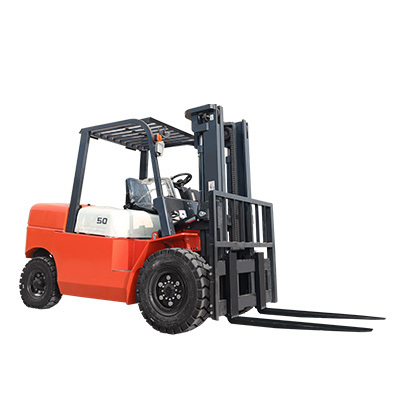
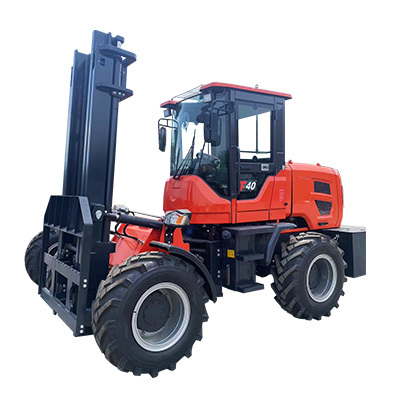
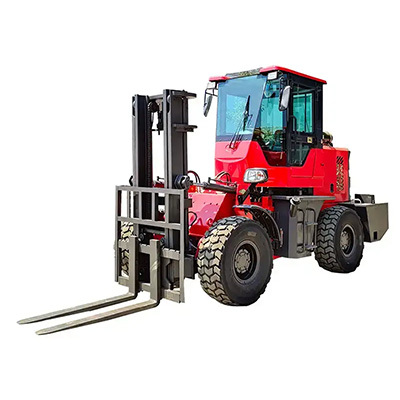
While traditional, forklifts have seen significant innovations. Newer models are equipped with advanced safety features, such as stability control, automatic braking, and enhanced visibility through improved design.
3. Pallet Jacks
Manual and electric pallet jacks are essential for moving pallets in warehouses. Innovations in design have led to models that are easier to maneuver and lift heavier loads safely.
4. Conveyor Systems
Conveyor systems facilitate the movement of products within a facility. Modern systems can incorporate smart technology that monitors load weights, speeds, and possible malfunctions, ensuring smooth operations and safety.
Implementing Innovative Handling Equipment in Your Operations
Integrating innovative handling equipment into an existing operation requires careful planning and execution. Here’s how to approach this transition effectively.
1. Assess Your Current Operations
Begin by analyzing your current material handling processes. Identify bottlenecks, safety issues, and areas where efficiency can be improved. This assessment will inform which handling solutions to consider.
2. Choose the Right Equipment
Based on your assessment, select equipment that aligns with your operational needs. Look for solutions that incorporate the latest safety features and can be easily integrated into your workflow.
3. Train Your Staff
Once new equipment is acquired, training is crucial. Employees should be well-versed in operating the new machinery safely and effectively. Regular training sessions can help maintain high safety standards.
4. Monitor and Optimize
After implementation, continuously monitor the performance of the handling equipment. Utilize data analytics to assess efficiency and safety metrics, and adjust your strategies as necessary.
Case Studies: Success Stories in Innovative Handling Equipment
Examining real-world applications of innovative handling equipment can provide valuable insights into their effectiveness.
1. Case Study: Automated Guided Vehicles in a Manufacturing Plant
A leading manufacturing company implemented AGVs to transport raw materials to the assembly line. This transition resulted in a 30% reduction in labor costs and a 50% decrease in workplace accidents related to material transport.
2. Case Study: Forklift Innovations in a Warehouse
A major retailer upgraded its fleet of forklifts to models with advanced safety features. The new forklifts led to a significant drop in damage to inventory and an increase in employee satisfaction due to enhanced safety protocols.
The Future of Material Handling Equipment
As technology continues to advance, the future of material handling equipment looks promising. Innovations such as artificial intelligence, Internet of Things (IoT) integration, and advanced data analytics are set to reshape the landscape of material transport.
1. Artificial Intelligence Integration
AI can enhance decision-making processes, optimize routing for AGVs, and predict maintenance needs for handling equipment, thereby improving overall efficiency and safety.
2. Internet of Things (IoT) and Smart Equipment
IoT-enabled devices can provide real-time data about equipment performance, safety alerts, and inventory levels. This connectivity allows for proactive management of material handling processes.
Frequently Asked Questions (FAQs)
1. What are the benefits of using automated guided vehicles (AGVs)?
AGVs enhance safety, reduce labor costs, and improve efficiency by automating repetitive transport tasks.
2. How can I ensure the safety of my material handling operations?
Implement modern handling equipment with advanced safety features, provide employee training, and regularly assess your processes.
3. What types of industries benefit from innovative handling equipment?
Industries such as manufacturing, retail, and warehousing can significantly benefit from innovative handling solutions.
4. Are there specific regulations for material handling equipment?
Yes, regulatory bodies set forth guidelines and standards for the safe operation of handling equipment, which vary by region.
5. How can I choose the right handling equipment for my business?
Assess your operational needs, consult with equipment providers, and consider factors such as safety features, load capacity, and ease of integration.
Conclusion
Innovative handling equipment solutions are transforming the landscape of material transport, making operations safer and more efficient. By embracing these technologies, businesses not only enhance their safety protocols but also streamline their processes, leading to greater overall success. Investing in modern handling equipment is not merely a choice; it is a necessity for any organization committed to excellence in logistics and material management. As we move forward, staying informed about the latest advancements will be crucial for maintaining a competitive edge in the industry.
More News
Can't find the product you need?
Get in touch today and learn more of the Strength and Diversity of the Titan product range.
CONTACT US
Phone number:
Email:
Address:
Wehai:No 190-1,Culture of west road,Shandong provenice
Qingzhou:
Shanghai:


