

















Why Compact Construction Equipment is Essential for Modern Projects
Release time:
2025-06-12
Summary

Introduction to Compact Construction Equipment
In the rapidly evolving construction industry, efficiency and flexibility are paramount. As projects grow in complexity and scale, the demand for versatile machinery has surged. Compact construction equipment has emerged as a crucial asset in modern construction, serving as a bridge between traditional heavy machinery and the need for agility on-site. This article explores the myriad reasons why compact construction equipment is essential for modern projects, diving into its advantages, applications, and future trends.
The Rise of Compact Construction Equipment
Over the last decade, the construction sector has witnessed significant transformations driven by technological advancements and shifts in project requirements. Compact construction equipment, characterized by its smaller size and maneuverability, has gained popularity for several reasons:
- Increasing urbanization and space constraints
- The need for equipment that can navigate tight sites
- Growing emphasis on sustainability and environmental responsibility
Advantages of Compact Construction Equipment
1. Enhanced Maneuverability
One of the most significant advantages of compact construction equipment is its maneuverability. These machines are designed to operate in confined spaces, making them ideal for urban construction sites where space is often at a premium. Their ability to navigate tight corners and narrow pathways allows contractors to complete projects more efficiently and effectively.
2. Cost-Effective Solutions
Compact construction machinery typically comes with lower initial costs compared to their larger counterparts. This cost-effectiveness extends beyond the purchase price; smaller machines often consume less fuel and require less maintenance, translating into significant savings over the lifespan of the equipment. Additionally, the ability to perform multiple tasks with a single machine enhances overall project cost efficiency.
3. Versatility Across Applications
Compact construction equipment is highly versatile and can be utilized across various applications, making it a valuable addition to any construction fleet. Whether it's excavation, landscaping, or demolition, compact machinery can adapt to diverse tasks. This versatility not only streamlines operations but also reduces the need for multiple machines on-site.
4. Safety Improvements
Safety is a top priority in construction, and compact equipment is designed with this in mind. Their smaller size allows for better visibility for operators, reducing the risk of accidents. Moreover, many compact machines incorporate advanced safety features such as automatic shut-off systems and enhanced stability controls, further mitigating hazards on-site.
5. Sustainability and Environmental Benefits
As the construction industry faces increasing pressure to adopt sustainable practices, compact construction equipment presents an eco-friendly alternative. These machines often feature fuel-efficient engines that produce fewer emissions, aligning with modern environmental standards. Additionally, their smaller footprint minimizes site disturbance, preserving surrounding ecosystems.
Types of Compact Construction Equipment
Compact construction equipment encompasses a wide range of machinery designed to perform specific tasks. Here are some of the most common types:
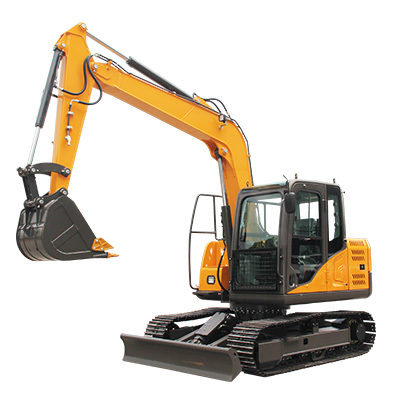
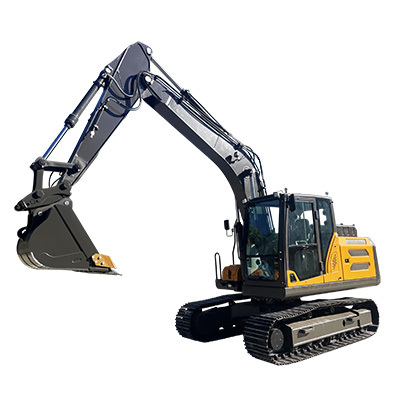
1. Compact Excavators
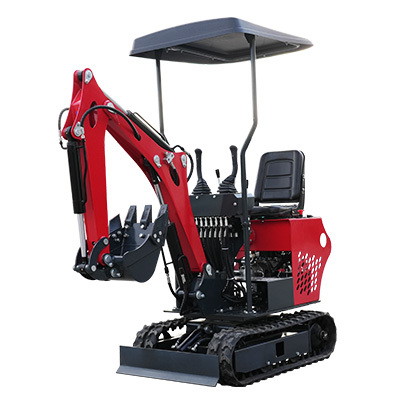
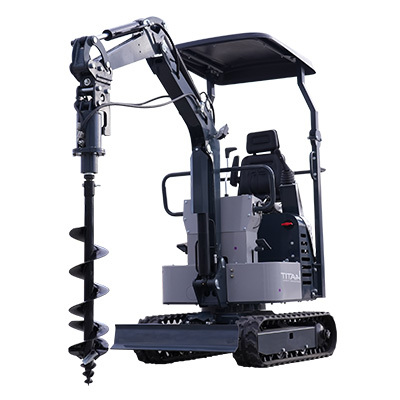
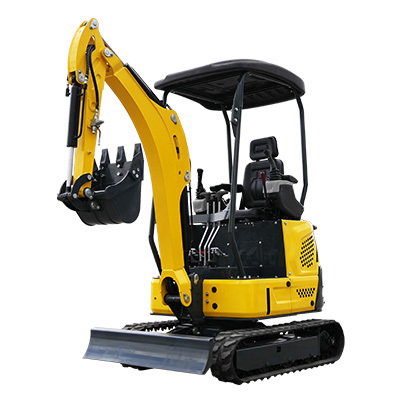
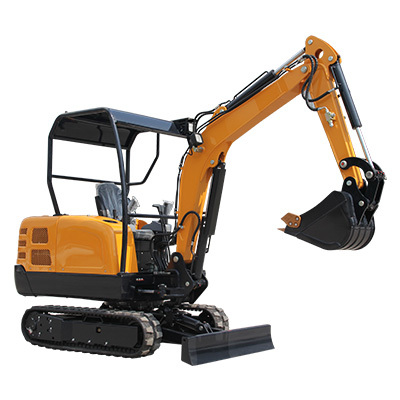
Compact excavators are ideal for digging and earthmoving in restricted spaces. With their powerful yet maneuverable design, they can perform tasks ranging from trenching to landscaping with remarkable efficiency.
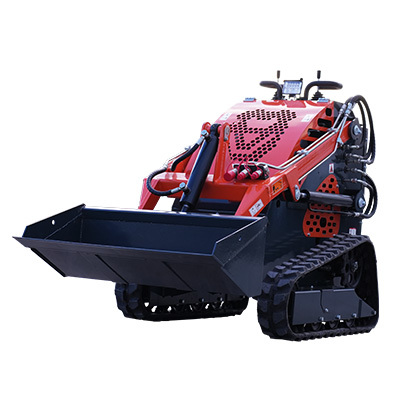
2. Mini Skid Steers
Mini skid steers are incredibly versatile and can be equipped with various attachments, such as buckets, forks, and brushes. They are perfect for landscaping, construction, and agricultural applications where agility is crucial.
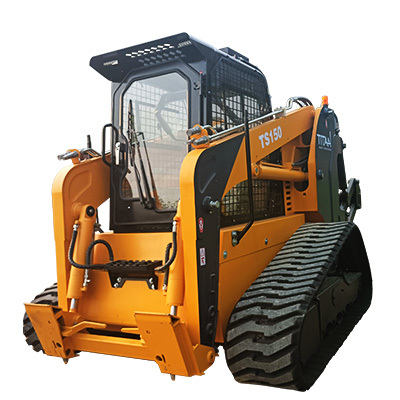
3. Compact Track Loaders
Compact track loaders offer superior stability and traction on uneven terrain, making them suitable for a variety of tasks. Their rubber tracks allow for minimal ground disturbance, making them an excellent choice for sensitive projects.
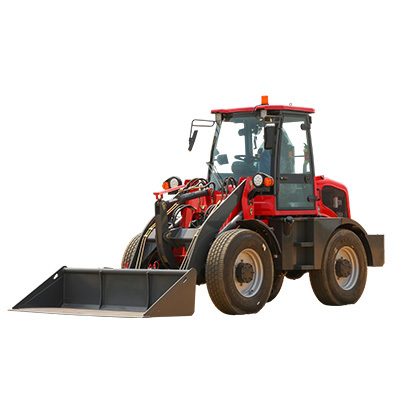
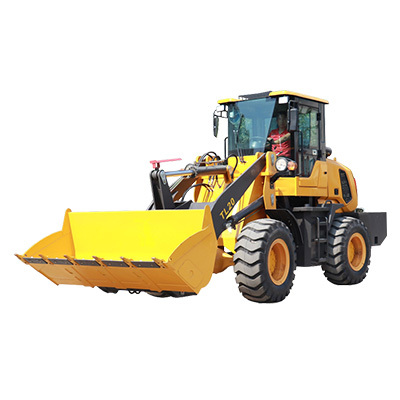
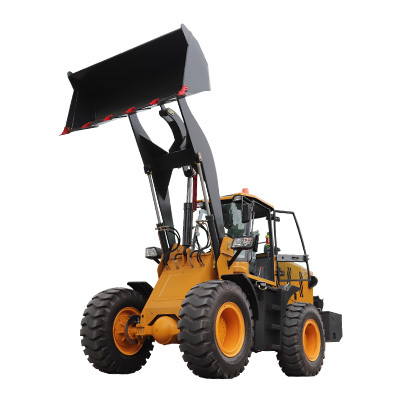
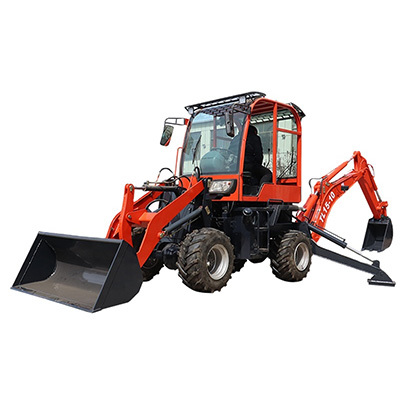
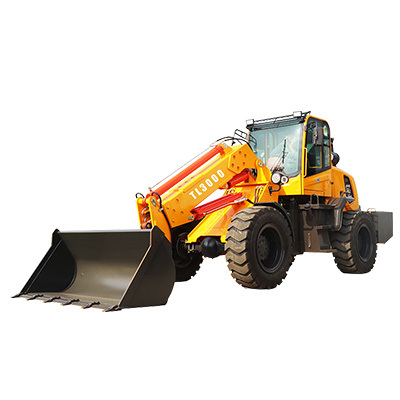
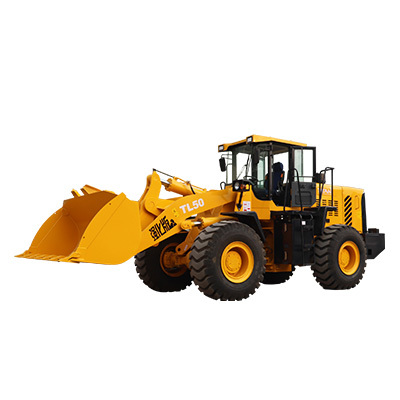
4. Compact Wheel Loaders
These loaders combine the benefits of compact size with the power of larger wheel loaders. They are ideal for loading, moving, and transporting materials, particularly in tight spaces.
Applications of Compact Construction Equipment
The applications of compact construction equipment are vast and varied. Here’s a closer look at some key sectors utilizing this machinery:
1. Urban Construction
Urban environments often pose unique challenges, such as limited access and space constraints. Compact construction equipment is essential in these settings, allowing contractors to complete projects without disrupting surrounding infrastructure.
2. Landscaping and Site Preparation
In landscaping, compact machinery is indispensable for tasks like grading, planting, and material handling. Their ability to navigate tight spaces without damaging existing flora makes them a preferred choice among landscapers.
3. Utility Installation
When installing utilities such as water, gas, and electricity, compact equipment can dig trenches while minimizing surface disruption. This capability is crucial for maintaining utility lines in urban areas.
The Future of Compact Construction Equipment
The future of compact construction equipment looks promising, driven by technological advancements and the ongoing demand for efficiency. Some emerging trends include:
1. Automation and Smart Technology
As the industry embraces automation, compact construction equipment is becoming increasingly sophisticated. Smart technology, including GPS and telematics, enhances operational efficiency and machine management.
2. Electrification
With growing concerns about environmental impact, manufacturers are focusing on electric compact construction machinery. These machines promise reduced emissions and lower operating costs, aligning with sustainable construction goals.
Challenges Facing Compact Construction Equipment
While compact construction equipment offers numerous advantages, it also faces certain challenges:
1. Limited Power Compared to Full-Size Machines
Due to their size, compact machines may not match the power and capacity of larger equipment. This limitation can impact performance in heavy-duty applications.
2. Skill and Training Requirements
Operators may require specialized training to maximize the potential of compact construction machinery. Investing in proper training programs is essential for safety and efficiency.
Frequently Asked Questions (FAQs)
1. What are the primary benefits of using compact construction equipment?
Compact construction equipment offers enhanced maneuverability, cost-effectiveness, versatility, safety improvements, and environmental benefits.
2. In what types of projects is compact construction equipment most beneficial?
These machines excel in urban construction, landscaping, utility installation, and any project requiring agility and space efficiency.
3. How does compact equipment contribute to sustainability in construction?
Compact machines are usually fuel-efficient and produce lower emissions, while their smaller footprint minimizes site disturbance, promoting environmental sustainability.
4. Are there any downsides to using compact construction equipment?
While compact equipment is versatile, it may have limited power compared to larger machines, and operators may require specific training to operate them effectively.
5. What trends are shaping the future of compact construction equipment?
Key trends include the integration of automation and smart technology, as well as a shift towards electrification to promote sustainability.
Conclusion
In conclusion, compact construction equipment plays an invaluable role in modern construction projects, offering numerous advantages that align with the industry's evolving demands. As urbanization continues to rise and sustainability becomes increasingly important, the necessity for compact machinery will only grow. By embracing these advanced tools, construction professionals can enhance efficiency, reduce costs, and contribute to a more sustainable future in the built environment. The evolution of compact construction equipment is not just a trend; it represents a fundamental shift in how we approach construction challenges today and in the years to come.
Next:
More News
Can't find the product you need?
Get in touch today and learn more of the Strength and Diversity of the Titan product range.
CONTACT US
Phone number:
Email:
Address:
Wehai:No 190-1,Culture of west road,Shandong provenice
Qingzhou:
Shanghai:


