

















Maximizing Efficiency with Electric Forklifts in Warehouse Operations
Release time:
2026-04-21
Summary
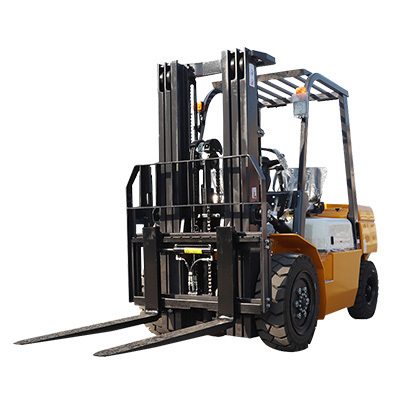
Electric forklifts have become an essential tool in modern warehouse operations, offering a range of advantages that enhance efficiency and sustainability. As businesses strive to optimize their logistics and handling processes, understanding the key attributes and benefits of electric forklifts is crucial for professionals in the transportation and warehousing sector.
One of the primary advantage

Electric forklifts have become an essential tool in modern warehouse operations, offering a range of advantages that enhance efficiency and sustainability. As businesses strive to optimize their logistics and handling processes, understanding the key attributes and benefits of electric forklifts is crucial for professionals in the transportation and warehousing sector.
One of the primary advantages of electric forklifts is their environmental impact. Unlike their internal combustion counterparts, electric forklifts produce zero emissions during operation. This not only contributes to a healthier workplace but also aligns with the growing emphasis on sustainability in the logistics industry. Companies are increasingly prioritizing eco-friendly choices, and utilizing electric forklifts can significantly reduce a warehouse's carbon footprint.
Additionally, electric forklifts are known for their lower operating costs. They typically require less maintenance than internal combustion models, as they have fewer moving parts and do not need oil changes or fuel filtering. This translates into savings for companies over the lifespan of the equipment. Furthermore, the cost of electricity to charge these forklifts is often lower than the cost of fuel, allowing businesses to allocate their budgets more effectively.
In terms of performance, electric forklifts offer impressive power and efficiency. They provide strong torque and acceleration, which are essential for moving heavy loads quickly and safely. Many electric models are designed to operate in tight spaces, making them ideal for warehouses with narrow aisles. Their ability to operate quietly is another benefit, allowing for a more pleasant working environment without the noise typically associated with internal combustion engines.
Safety is another critical factor where electric forklifts excel. They are equipped with advanced safety features, including regenerative braking systems that reduce the risk of accidents. Additionally, electric models generally have a lower center of gravity, which helps minimize the risk of tipping over when handling heavy loads. Investing in electric forklifts can lead to a safer workplace, reducing the likelihood of injuries and associated costs.
Training and skill development for operators is also vital when introducing electric forklifts into warehouse operations. Employees should be well-versed in the specific handling requirements and safety protocols associated with these machines to maximize their efficiency and safety. Many training programs are available that focus on the unique aspects of operating electric forklifts, ensuring that staff members are fully prepared.
In conclusion, the adoption of electric forklifts in warehouse operations presents numerous advantages, including environmental benefits, lower operating costs, enhanced performance, and improved safety. For professionals in the transportation and warehousing industry, leveraging the capabilities of electric forklifts can lead to significant efficiency gains and a more sustainable logistics operation. Embracing this technology is not just a trend; it's a strategic decision that aligns with the future of the industry.
Back to list
One of the primary advantages of electric forklifts is their environmental impact. Unlike their internal combustion counterparts, electric forklifts produce zero emissions during operation. This not only contributes to a healthier workplace but also aligns with the growing emphasis on sustainability in the logistics industry. Companies are increasingly prioritizing eco-friendly choices, and utilizing electric forklifts can significantly reduce a warehouse's carbon footprint.
Additionally, electric forklifts are known for their lower operating costs. They typically require less maintenance than internal combustion models, as they have fewer moving parts and do not need oil changes or fuel filtering. This translates into savings for companies over the lifespan of the equipment. Furthermore, the cost of electricity to charge these forklifts is often lower than the cost of fuel, allowing businesses to allocate their budgets more effectively.
In terms of performance, electric forklifts offer impressive power and efficiency. They provide strong torque and acceleration, which are essential for moving heavy loads quickly and safely. Many electric models are designed to operate in tight spaces, making them ideal for warehouses with narrow aisles. Their ability to operate quietly is another benefit, allowing for a more pleasant working environment without the noise typically associated with internal combustion engines.
Safety is another critical factor where electric forklifts excel. They are equipped with advanced safety features, including regenerative braking systems that reduce the risk of accidents. Additionally, electric models generally have a lower center of gravity, which helps minimize the risk of tipping over when handling heavy loads. Investing in electric forklifts can lead to a safer workplace, reducing the likelihood of injuries and associated costs.
Training and skill development for operators is also vital when introducing electric forklifts into warehouse operations. Employees should be well-versed in the specific handling requirements and safety protocols associated with these machines to maximize their efficiency and safety. Many training programs are available that focus on the unique aspects of operating electric forklifts, ensuring that staff members are fully prepared.
In conclusion, the adoption of electric forklifts in warehouse operations presents numerous advantages, including environmental benefits, lower operating costs, enhanced performance, and improved safety. For professionals in the transportation and warehousing industry, leveraging the capabilities of electric forklifts can lead to significant efficiency gains and a more sustainable logistics operation. Embracing this technology is not just a trend; it's a strategic decision that aligns with the future of the industry.
More News
Can't find the product you need?
Get in touch today and learn more of the Strength and Diversity of the Titan product range.
CONTACT US
Phone number:
Email:
Address:
Wehai:No 190-1,Culture of west road,Shandong provenice
Qingzhou:
Shanghai:


