

















Unlocking the Potential of Mini Wheel Loaders in Construction and Manufacturing
Release time:
2025-12-02
Summary
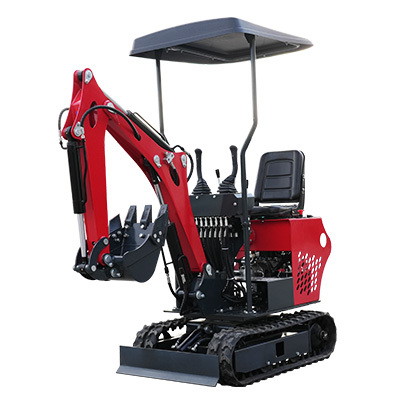
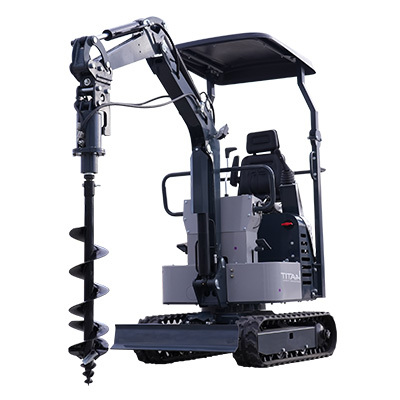
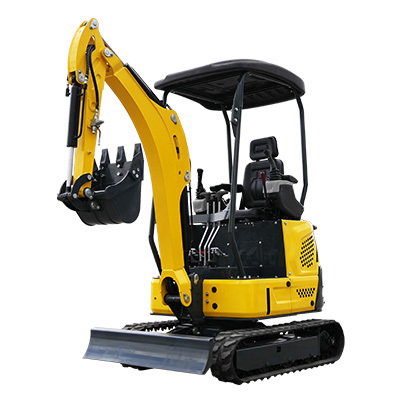
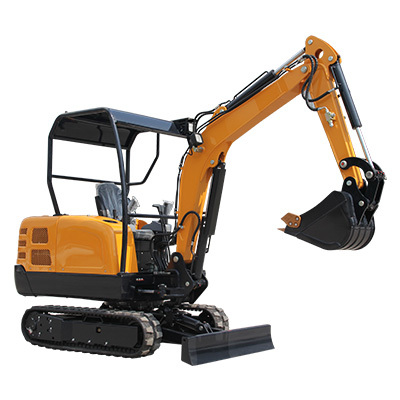
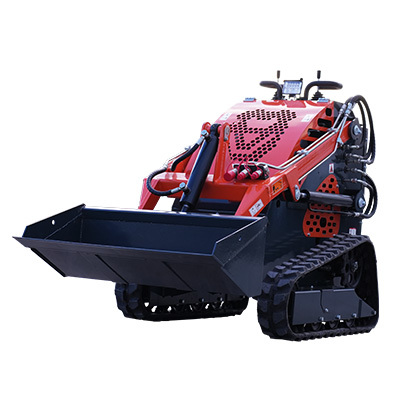
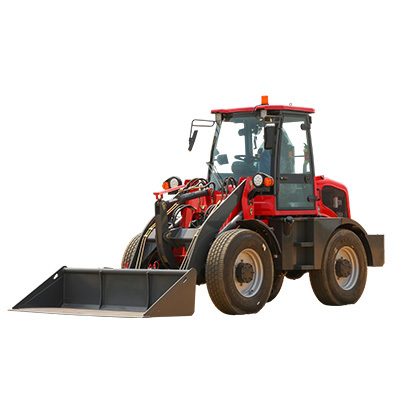
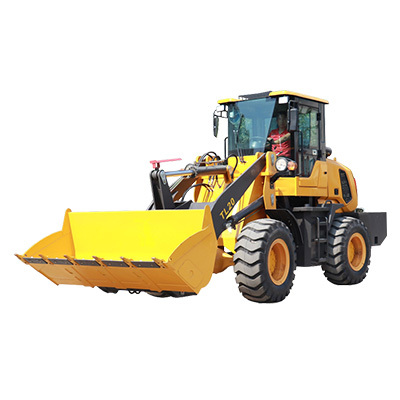
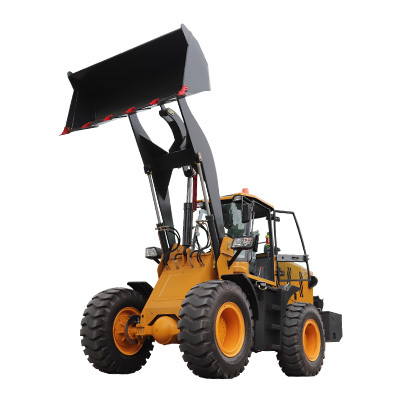
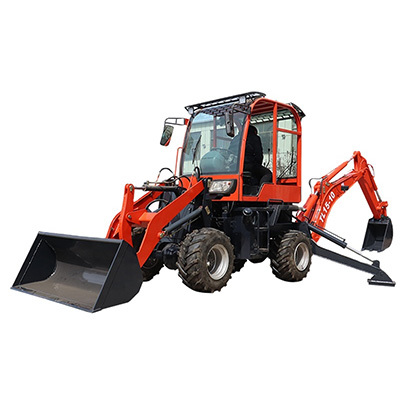
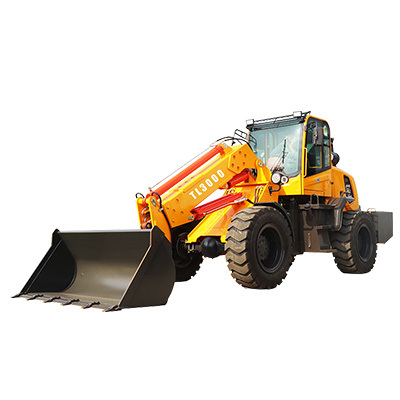
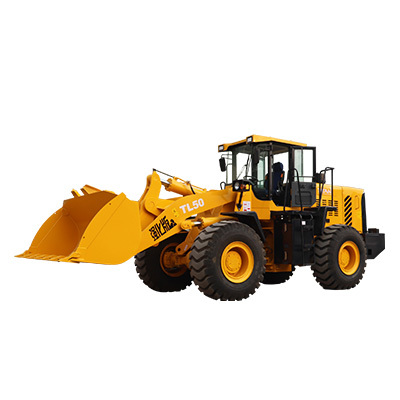
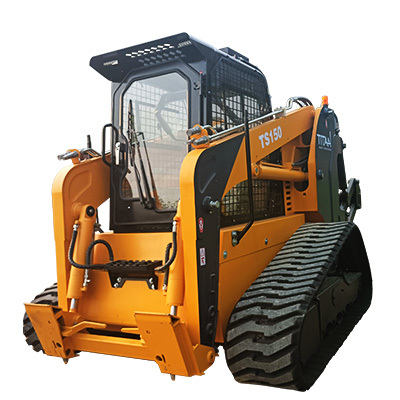
Mini wheel loaders have become indispensable tools within the engineering and construction machinery sector. These compact machines are designed to provide optimal performance in tight spaces, making them ideal for various applications in both construction and manufacturing settings. Their versatility, ease of use, and efficiency make them attractive options for contractors and manufacturers alike

Mini wheel loaders have become indispensable tools within the engineering and construction machinery sector. These compact machines are designed to provide optimal performance in tight spaces, making them ideal for various applications in both construction and manufacturing settings. Their versatility, ease of use, and efficiency make them attractive options for contractors and manufacturers alike.
One of the main advantages of mini wheel loaders is their size. Unlike traditional wheel loaders, which may be too large for confined job sites, mini wheel loaders can maneuver easily in restricted areas, allowing operators to perform tasks efficiently without the need for excessive space. This capability is particularly beneficial in urban construction projects, landscaping, and even industrial material handling, where space constraints are often a significant challenge.
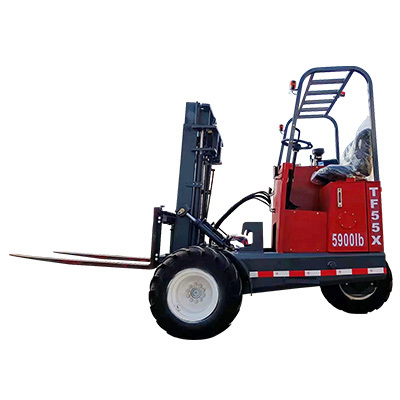
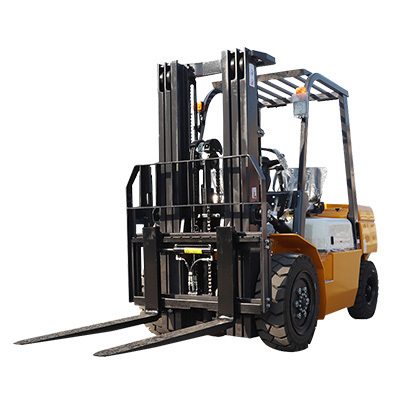
Equipped with powerful hydraulic systems, mini wheel loaders can handle a variety of attachments, such as buckets, forks, and grapples. This adaptability allows them to perform multiple tasks, including digging, lifting, and transporting materials. The ability to switch attachments quickly not only saves time but also reduces the need for multiple pieces of equipment, leading to cost savings and increased efficiency on job sites.
Moreover, the operational efficiency of mini wheel loaders is noteworthy. Many models come with advanced features such as compact design, low fuel consumption, and ergonomic controls, making them user-friendly and economically viable in the long run. Operators can easily navigate through challenging terrains, and the equipment's lightweight design minimizes ground disturbance, an essential factor in sensitive construction environments.
In addition to their physical advantages, mini wheel loaders can also contribute to enhanced safety on the job site. Their design allows for improved visibility for operators, reducing the risk of accidents. Furthermore, many models are equipped with safety features such as backup alarms and seat belts, ensuring that operators can work with peace of mind.
Lastly, investing in mini wheel loaders can lead to significant productivity gains. With their ability to perform diverse functions quickly and efficiently, these machines can help teams complete projects ahead of schedule. As a result, contractors can take on more jobs simultaneously, ultimately leading to enhanced profitability.
In conclusion, mini wheel loaders represent a practical solution for various challenges faced in the construction and manufacturing industries. Their compact size, versatility, and operational efficiency make them valuable assets that can optimize workflow and improve safety on job sites. As the demand for efficient construction solutions continues to rise, investing in mini wheel loaders can undoubtedly yield substantial benefits.
Back to list
One of the main advantages of mini wheel loaders is their size. Unlike traditional wheel loaders, which may be too large for confined job sites, mini wheel loaders can maneuver easily in restricted areas, allowing operators to perform tasks efficiently without the need for excessive space. This capability is particularly beneficial in urban construction projects, landscaping, and even industrial material handling, where space constraints are often a significant challenge.
Equipped with powerful hydraulic systems, mini wheel loaders can handle a variety of attachments, such as buckets, forks, and grapples. This adaptability allows them to perform multiple tasks, including digging, lifting, and transporting materials. The ability to switch attachments quickly not only saves time but also reduces the need for multiple pieces of equipment, leading to cost savings and increased efficiency on job sites.
Moreover, the operational efficiency of mini wheel loaders is noteworthy. Many models come with advanced features such as compact design, low fuel consumption, and ergonomic controls, making them user-friendly and economically viable in the long run. Operators can easily navigate through challenging terrains, and the equipment's lightweight design minimizes ground disturbance, an essential factor in sensitive construction environments.
In addition to their physical advantages, mini wheel loaders can also contribute to enhanced safety on the job site. Their design allows for improved visibility for operators, reducing the risk of accidents. Furthermore, many models are equipped with safety features such as backup alarms and seat belts, ensuring that operators can work with peace of mind.
Lastly, investing in mini wheel loaders can lead to significant productivity gains. With their ability to perform diverse functions quickly and efficiently, these machines can help teams complete projects ahead of schedule. As a result, contractors can take on more jobs simultaneously, ultimately leading to enhanced profitability.
In conclusion, mini wheel loaders represent a practical solution for various challenges faced in the construction and manufacturing industries. Their compact size, versatility, and operational efficiency make them valuable assets that can optimize workflow and improve safety on job sites. As the demand for efficient construction solutions continues to rise, investing in mini wheel loaders can undoubtedly yield substantial benefits.
More News
Can't find the product you need?
Get in touch today and learn more of the Strength and Diversity of the Titan product range.
CONTACT US
Phone number:
Email:
Address:
Wehai:No 190-1,Culture of west road,Shandong provenice
Qingzhou:
Shanghai:


