

















How Compact Construction Equipment Boosts Efficiency on Job Sites
Release time:
2025-06-24
Summary

How Compact Construction Equipment Boosts Efficiency on Job Sites
In today’s fast-paced construction industry, the demand for efficiency is at an all-time high. Compact construction equipment has emerged as a game-changer, allowing contractors to maximize productivity while navigating the challenges of limited space. This article delves into the various ways compact construction equipment enhances efficiency on job sites, ultimately leading to streamlined operations and increased profitability.
Understanding Compact Construction Equipment
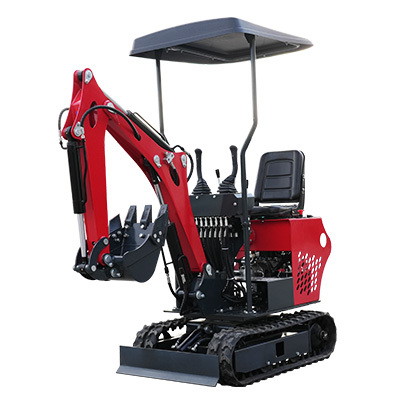
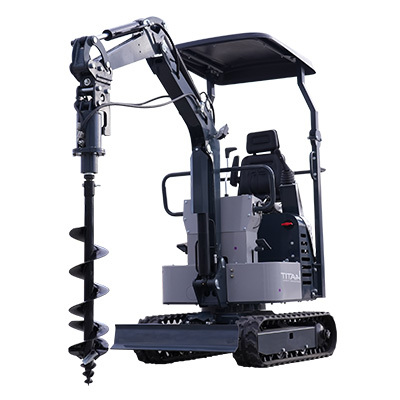
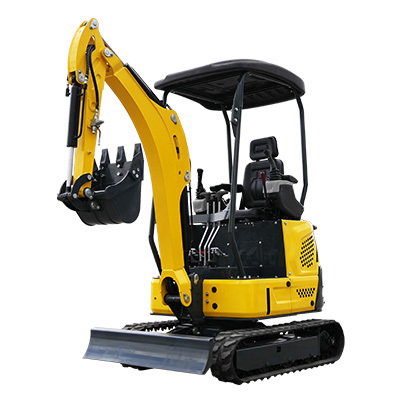
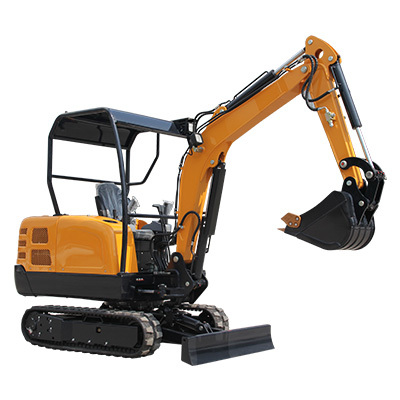
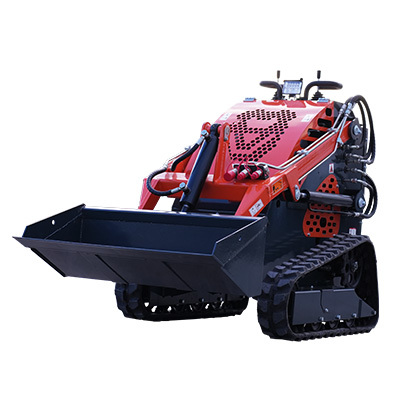
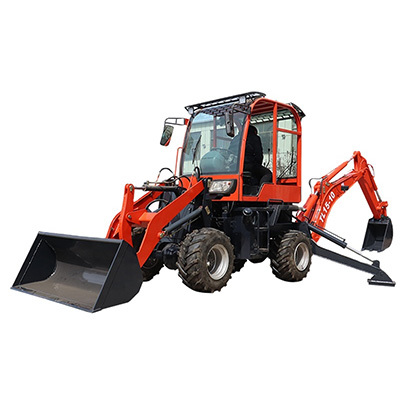
Compact construction equipment refers to a range of small, versatile machines designed to perform various tasks on job sites efficiently. These machines, including mini excavators, skid steer loaders, and compact track loaders, are engineered for high performance in confined spaces. Their design emphasizes maneuverability, allowing for optimal use in urban environments, residential areas, and smaller job sites.
Key Features of Compact Construction Equipment
- Size and Weight: Compact machines are lighter and smaller than traditional equipment, making them easier to transport and maneuver.
- Versatility: These machines can be equipped with various attachments, allowing them to perform multiple tasks, from digging to lifting and grading.
- Fuel Efficiency: Compact construction equipment typically consumes less fuel, reducing operational costs and environmental impact.
- User-Friendly Controls: Many compact machines come with intuitive controls, making them easier to operate, even for less experienced operators.
The Impact of Compact Construction Equipment on Job Site Efficiency
Utilizing compact construction equipment can significantly enhance job site efficiency in several ways:
1. Maximizing Space Utilization
Urban construction sites often face space limitations, making it challenging to maneuver larger equipment. Compact construction equipment is designed to work effectively in tight spaces. For instance, a mini excavator can dig trenches or perform landscaping work where a full-sized excavator would be impractical. This maximization of space allows for more effective project execution without compromising safety or productivity.
2. Faster Job Completion Times
Compact equipment is specifically built for speed and efficiency. With their powerful engines and agile designs, these machines can accomplish tasks faster than their larger counterparts. For example, a skid steer loader can quickly clear debris or move materials, significantly reducing overall project timelines. Faster job completion not only enhances productivity but also increases client satisfaction and potentially opens up opportunities for future projects.
3. Lower Operational Costs
Compact construction equipment is generally more affordable to purchase or rent than larger machinery. Additionally, their fuel efficiency translates into lower operational costs. Projects can enjoy reduced expenses while maintaining high standards of work quality. The decrease in maintenance costs also contributes to overall savings, making compact equipment a wise investment for construction companies.
Case Study: A Real-World Example
Consider a recent urban redevelopment project in a densely populated area. The construction team utilized compact excavators and loaders to navigate the narrow streets and work efficiently without disrupting the surrounding environment. As a result, they completed the project ahead of schedule and under budget, demonstrating the powerful impact of compact equipment in real-world applications.
Types of Compact Construction Equipment and Their Applications
Understanding the various types of compact construction equipment and their specific applications can help contractors choose the right machinery for their projects:
Mini Excavators
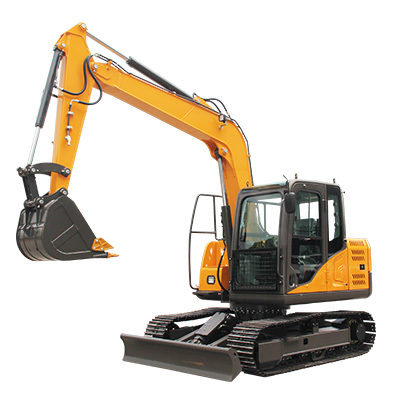
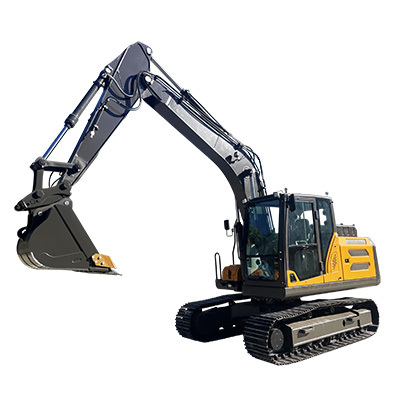
Mini excavators are perfect for digging, grading, and trenching in tight spaces. Their compact size allows them to operate in confined areas, making them ideal for residential landscaping, utility work, and small-scale construction projects.
Skid Steer Loaders
Skid steer loaders are versatile machines that can be used for a wide range of tasks, from digging and grading to lifting and transporting materials. With various attachments available, they are invaluable on construction sites where multiple tasks need to be performed quickly and efficiently.
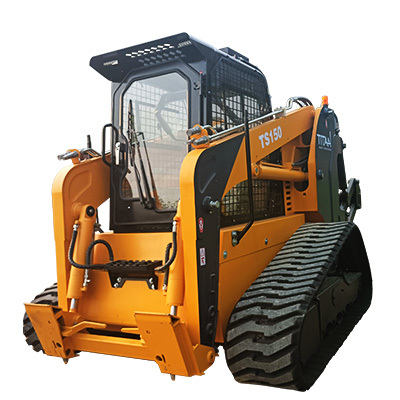
Compact Track Loaders
Similar to skid steer loaders, compact track loaders offer enhanced stability and traction, particularly on uneven terrain. Their rubber tracks distribute weight evenly, reducing ground pressure and preventing damage to sensitive surfaces, making them suitable for landscaping and site preparation.
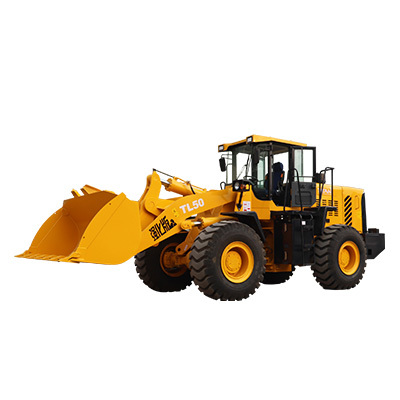
Compact Wheel Loaders
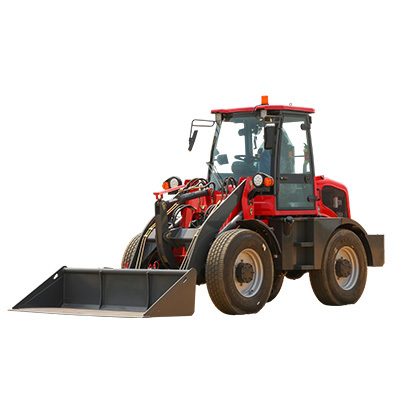
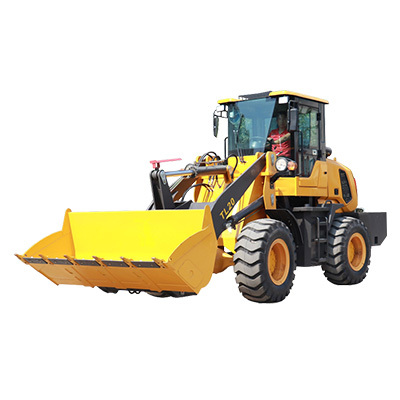
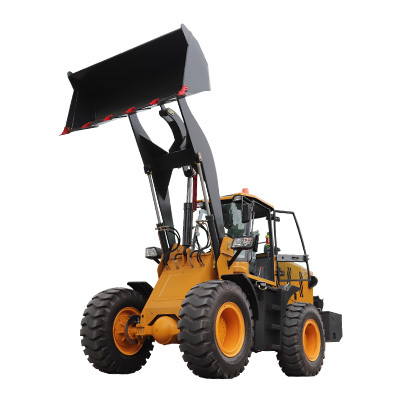
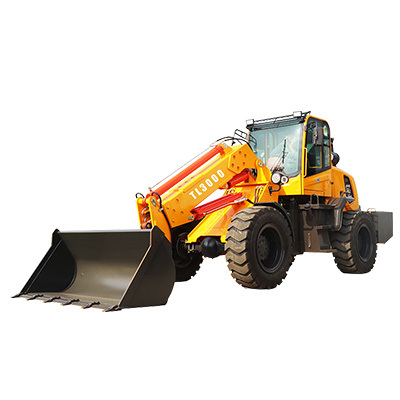
Compact wheel loaders are designed for loading and transporting materials. Their small size allows them to maneuver easily in tight spaces while still providing robust lifting capabilities, making them ideal for both construction and agricultural sites.
Advantages of Compact Construction Equipment Over Traditional Machinery
While traditional construction equipment plays a crucial role in large-scale projects, compact machinery offers several distinct advantages:
1. Enhanced Mobility
Compact construction equipment can navigate through congested job sites, urban environments, and narrow pathways where larger machinery cannot operate. This mobility allows for uninterrupted workflow and ensures that tasks can be completed efficiently.
2. Reduced Environmental Impact
With a focus on fuel efficiency and lower emissions, compact construction equipment is a more environmentally friendly option. Their smaller engines consume less fuel and produce fewer greenhouse gases, aligning with the growing emphasis on sustainable construction practices.
3. Improved Safety on Job Sites
Compact equipment’s lightweight design and smaller footprint reduce the risk of accidents and injuries on job sites. Their ability to operate in tighter areas minimizes the need for extensive site preparation, further enhancing safety for operators and workers.
Best Practices for Utilizing Compact Construction Equipment
To maximize the benefits of compact construction equipment, consider the following best practices:
1. Proper Training for Operators
Ensuring that operators are adequately trained in the use of compact machinery is crucial. Training enhances safety and efficiency, allowing operators to fully utilize the capabilities of the equipment.
2. Regular Maintenance
Regular maintenance of compact construction equipment is essential for optimal performance. Routine checks and timely repairs can prevent costly breakdowns and extend the lifespan of machinery.
3. Utilize the Right Attachments
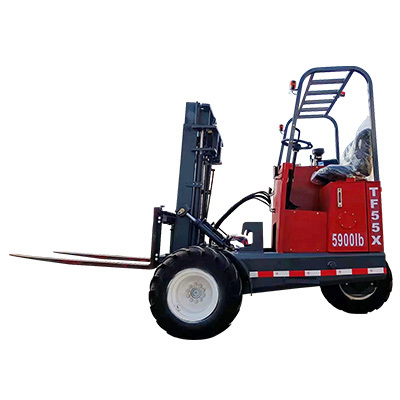
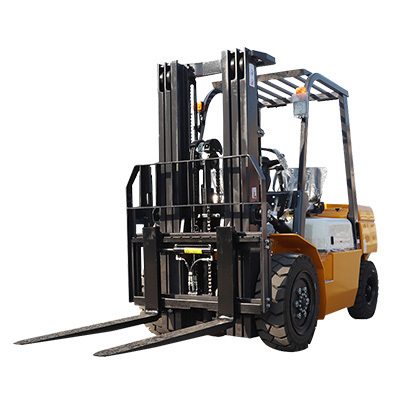
Matching the right attachments to the tasks at hand can significantly improve efficiency. For example, using a bucket attachment for excavation or a fork attachment for lifting can enhance the machine's versatility and effectiveness.
Future Trends in Compact Construction Equipment
The construction industry is evolving, and so is the technology behind compact construction equipment. Some trends to watch include:
1. Advancements in Automation
As technology advances, more compact equipment is being integrated with automation features. This development can lead to improved accuracy and productivity on job sites, reducing the need for manual labor.
2. Increased Focus on Sustainability
With growing awareness of environmental issues, manufacturers are investing in environmentally friendly technologies. Expect to see compact equipment that runs on alternative fuels or incorporates energy-efficient designs.
3. Enhanced Connectivity
IoT (Internet of Things) technology is making its way into compact construction equipment. Enhanced connectivity can provide real-time data on equipment performance, maintenance needs, and fuel consumption, enabling better decision-making for contractors.
Frequently Asked Questions (FAQs)
1. What is compact construction equipment used for?
Compact construction equipment is used for a variety of tasks, including digging, grading, lifting, and transporting materials in confined spaces.
2. Why should I choose compact equipment over traditional machinery?
Compact equipment offers enhanced mobility, reduced operational costs, and improved safety, making it ideal for urban and smaller-scale projects.
3. What types of compact construction equipment are available?
Common types include mini excavators, skid steer loaders, compact track loaders, and compact wheel loaders, each serving different functions.
4. How can I maximize the efficiency of compact equipment on job sites?
Proper operator training, regular maintenance, and using the right attachments can significantly enhance the efficiency of compact equipment.
5. What are the future trends in compact construction equipment?
Future trends include advancements in automation, a focus on sustainability, and enhanced connectivity through IoT technology.
Conclusion
Compact construction equipment has revolutionized the way construction projects are executed, particularly in urban environments and smaller job sites. By maximizing space utilization, enhancing mobility, and reducing operational costs, these machines have become indispensable tools for contractors. As technology continues to evolve, the efficiency and capabilities of compact equipment will only grow, ensuring that they remain at the forefront of the construction industry. Investing in compact construction equipment not only boosts efficiency on job sites but also positions businesses for success in an increasingly competitive market.
More News
Can't find the product you need?
Get in touch today and learn more of the Strength and Diversity of the Titan product range.
CONTACT US
Phone number:
Email:
Address:
Wehai:No 190-1,Culture of west road,Shandong provenice
Qingzhou:
Shanghai:


